Cebu Pacific at 30: How a Low-Cost Airline Empowered Filipino Dreamers
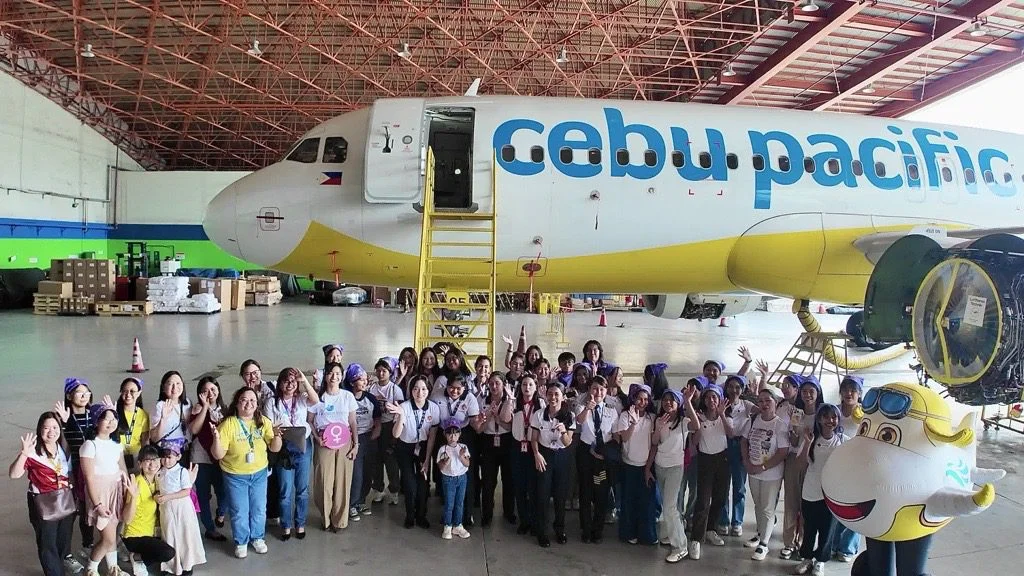
For three decades, a vibrant yellow bird has been weaving itself into the fabric of Filipino life. What began as a bold challenge to the aviation status quo has grown into a national symbol of accessibility, connection, and realized dreams. As Cebu Pacific celebrates its 30th anniversary, its story is not merely one of corporate growth, but a profound narrative of how a low-cost airline fundamentally reshaped the archipelago’s possibilities.
This is the tale of how a fleet of aircraft became the wings for a nation of dreamers.
From Disruption to National Mainstay
In 1996, the Philippine skies were dominated by a single major carrier. Air travel was a luxury, a mode of transport reserved for the affluent, OFWs on their journeys abroad, and business elites. The vast majority of Filipinos traversed the 7,641 islands by boat or bus, journeys that could take days.
Cebu Pacific, launched by the Gokongwei Group, entered the scene with a revolutionary proposition: to make air travel affordable for every Filipino. It wasn’t just about cheaper tickets; it was a complete overhaul of the aviation model. By adopting the low-cost carrier (LCC) framework pioneered by airlines like Southwest in the US, Cebu Pacific streamlined operations:
- Operating a single, efficient aircraft type (initially the DC-9, then the A320 family).
- Maximizing aircraft utilization with quick turnarounds.
- Introducing unbundled fares, where passengers paid only for the services they needed.
The impact was immediate and seismic. Suddenly, a flight from Manila to Cebu or Davao was within reach for students, families visiting relatives, and budding entrepreneurs. The airline didn’t just sell seats; it sold time, opportunity, and reunion.
The Engine of Connection and Economy
Cebu Pacific’s most significant legacy is the tangible stitching together of the Philippine archipelago. By making frequent, affordable flights available, it transformed the country’s geography.
Uniting Families and Cultures
For a nation with a massive diaspora and internal migration for work, the airline became a lifeline. The OFW, once facing a grueling multi-modal journey home, could now book a direct, affordable flight. Family bonds, strained by distance, were strengthened by the feasibility of more frequent visits. Provincial students could pursue education in major cities without feeling irrevocably cut off from home. This fostered a stronger sense of national identity, as Filipinos from all regions could explore their own country with ease.
Fueling Tourism and Local Business
The economic ripple effect has been enormous. Previously remote destinations like Boracay, Palawan, and Siargao were catapulted onto the world stage, accessible not just to international tourists but to domestic travelers first. Cebu Pacific’s aggressive route expansion—to secondary cities and emerging tourist spots—acted as a direct economic stimulus.
- Local hotels, restaurants, and tour operators flourished.
- MSMEs found new markets for their products in other islands.
- A culture of spontaneous domestic travel was born, with “seat sales” becoming a national pastime.
The airline became a critical partner in national development, supporting government tourism campaigns and providing vital logistics during calamities and the pandemic.
Empowering the Filipino Dreamer
Beyond economics, Cebu Pacific tapped into a deeper Filipino psyche—the innate desire to explore, to connect, and to progress. It democratized the dream.
The “first flight” became a rite of passage for millions. For a fresh graduate heading to their first job interview in the capital, a provincial family on their first vacation to Manila’s landmarks, or an artisan from the highlands bringing their crafts to a city market, that yellow airplane was a vessel of aspiration. It embodied the tangible possibility of a better life, a broader horizon, and a successful venture.
The airline’s branding, upbeat and friendly, resonated with the Filipino spirit of resilience and joy (sinaya). It made the process of flying less intimidating and more celebratory, aligning perfectly with the Filipino love for family gatherings (pagsasama-sama) and adventure (pakikipagsapalaran).
Navigating Turbulence and Looking Ahead
The journey hasn’t been without severe turbulence. The airline faced monumental tests from volcanic eruptions, political instability, and the existential threat of the COVID-19 pandemic, which grounded global aviation. Yet, its deep integration into Filipino life became its anchor. Its cargo flights kept supply chains moving, and its eventual recovery flights symbolized national hope.
As it enters its fourth decade, Cebu Pacific’s mission is evolving with the times. The focus is now on:
- Sustainable Aviation: Investing in one of the youngest and most fuel-efficient fleets in the region, including the transition to New Engine Option (NEO) aircraft and exploring sustainable aviation fuel (SAF) options.
- Digital Transformation: Enhancing the customer journey through a robust app and digital ecosystem, making travel planning even more seamless.
- Network Resilience: Continuing to connect not just major hubs but also pioneering routes to underserved communities, fostering more inclusive growth.
A Legacy Written in the Sky
Cebu Pacific at 30 is more than an airline; it is a social phenomenon. It turned the sky from a barrier into a highway for millions. It redefined “possible” for an entire generation, proving that dreams aren’t meant to be grounded.
Its true success is measured not just in passengers carried or routes flown, but in the countless stories it has enabled: the entrepreneur who started a business because she could source materials from another island, the long-distance couple that made it work, the child who witnessed the ocean from above for the first time.
The vibrant yellow bird that took flight three decades ago did more than disrupt an industry. It empowered a nation of dreamers, one affordable seat at a time, and in doing so, it helped shape the modern, connected, and ambitious Philippines we see today. As its engines roar into the future, it continues to carry with it the hopes and aspirations of every Filipino ready to explore their next horizon.