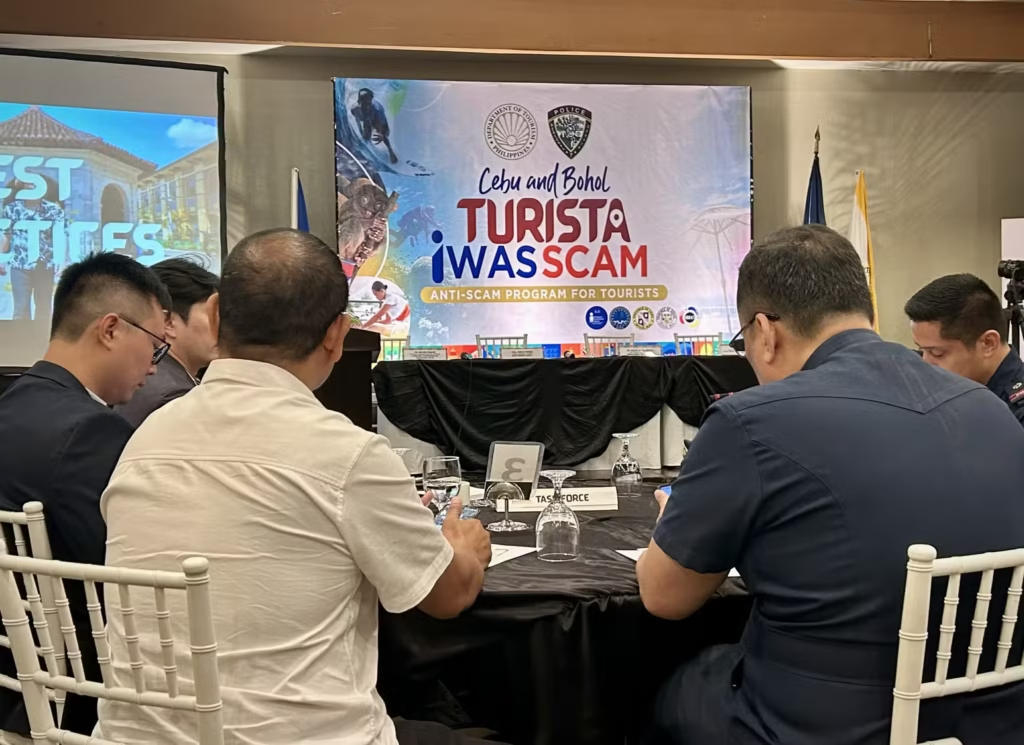
How to Avoid Online Booking Scams in Cebu and Bohol
Planning a dream vacation to the stunning islands of Cebu and Bohol should be an exciting experience. From the vibrant marine life of Moalboal to the iconic Chocolate Hills, these destinations promise unforgettable memories. However, a recent surge in online booking scams is turning dream trips into nightmares for unsuspecting travelers. Protecting your hard-earned money and your peace of mind requires vigilance and know-how. This guide will walk you through the latest scam tactics and provide actionable steps to ensure your booking is safe, secure, and legitimate.
The Rising Tide of Digital Deception
Scammers are becoming increasingly sophisticated, exploiting the high demand for accommodations and tours in popular Philippine destinations. They create fake listings on legitimate platforms, use stolen photos from real resorts, and even set up convincing but fraudulent websites and social media pages. The aftermath for victims is more than just financial loss; it’s the stress of arriving at a destination with no reservation, scrambling for last-minute (and often more expensive) alternatives, and the overall disruption of a long-awaited holiday.
Authorities and tourism boards are actively warning the public, but the onus is on us, the travelers, to be the first line of defense. By understanding how these scams work, you can spot the red flags before you click “book now.”
Common Online Booking Scams to Watch For
1. The Fake Listing or “Clone” Property: This is one of the most prevalent scams. Fraudsters copy photos, descriptions, and even reviews from a legitimate hotel or resort and post them on booking platforms or social media at a slightly lower price to lure bargain hunters.
2. The Too-Good-To-Be-True Deal: Be extremely wary of prices that are drastically lower than all other comparable options. A 50% discount on a peak-season beachfront villa is almost always a scam designed to create a false sense of urgency.
3. The Direct Bank Transfer Pressure: A scammer will insist that the platform’s payment system is “down” and urge you to pay via direct bank deposit, GCash, or Maya. Once the money is sent, it is nearly impossible to recover, and the “host” disappears.
4. The Fake “Verified” Social Media Page: Scammers create Facebook or Instagram pages that mimic official pages of real establishments. They use similar names and logos, run ads, and communicate with potential victims through Messenger to secure direct payments.
5. The Bait-and-Switch: You book and pay for a specific property, but upon arrival, you’re told it’s “overbooked” and are redirected to a much inferior location.
Your Essential Checklist for Safe Booking
Arming yourself with a verification routine can save you from immense hassle. Follow this step-by-step guide every time you book.
Step 1: Research Extensively
- Cross-reference the property name. Search for the property’s name outside of the booking platform you’re on. Look for their official website, and check if the contact details and photos match.
- Read reviews across multiple platforms. Don’t rely solely on the reviews on the booking site. Check Google Reviews, TripAdvisor, and even travel blogs. Look for detailed reviews with recent photos from guests.
- Verify the official social media. Go to the official social media pages (usually linked from a verified website) and see if they actively engage with guests. Be cautious of pages with very few posts or followers.
Step 2: Scrutinize the Listing & Communication
- Check for inconsistencies. Are the photos blurry or do they have watermarks from other sites? Does the description have grammatical errors or vague information about the location?
- Reverse image search. Use Google’s “Search by image” feature on the property photos. If they appear on multiple websites under different property names, it’s a major red flag.
- Beware of high-pressure tactics. Legitimate businesses will not pressure you to book immediately or pay outside the app due to a “limited-time offer.”
Step 3: Secure Your Payment
- Use reputable booking platforms with guarantees. Websites like Booking.com, Agoda, and Airbnb have secure payment systems and customer support policies. Always keep your communication and transactions on the platform.
- Never pay via direct bank transfer to an individual. This is the number one rule. If a host insists on it, walk away.
- Use a credit card. Credit cards often offer better fraud protection and easier chargeback processes compared to debit cards or cash transfers.
What to Do If You’ve Been Scammed
If you suspect you’ve fallen victim to a booking scam, act quickly:
- Contact the booking platform immediately. Report the fraudulent listing and provide all details of your communication.
- Reach out to your bank or payment provider. Inform them of the fraudulent transaction and inquire about the possibility of a chargeback or stopping the transfer.
- File a report with the Philippine National Police (PNP) Anti-Cybercrime Group. You can do this online. Having an official report can aid in investigations.
- Report the social media page. Use the reporting features on Facebook or Instagram to report the fake page as a scam.
- Warn other travelers. Consider posting about your experience (with details but without speculation) on travel forums to prevent others from being duped.
Enjoy Cebu and Bohol with Confidence
The beauty and culture of Cebu and Bohol are absolutely worth the visit. Don’t let the fear of scams deter you. By becoming a savvy and cautious booker, you can focus on planning your itinerary—whether it’s swimming with whale sharks in Oslob, canyoneering in Kawasan Falls, or standing in awe of the Chocolate Hills. Let the excitement of your adventure be your driving force, and let informed caution be your trusted travel companion. Book smart, verify everything, and get ready for a fantastic, scam-free holiday in the heart of the Philippines.