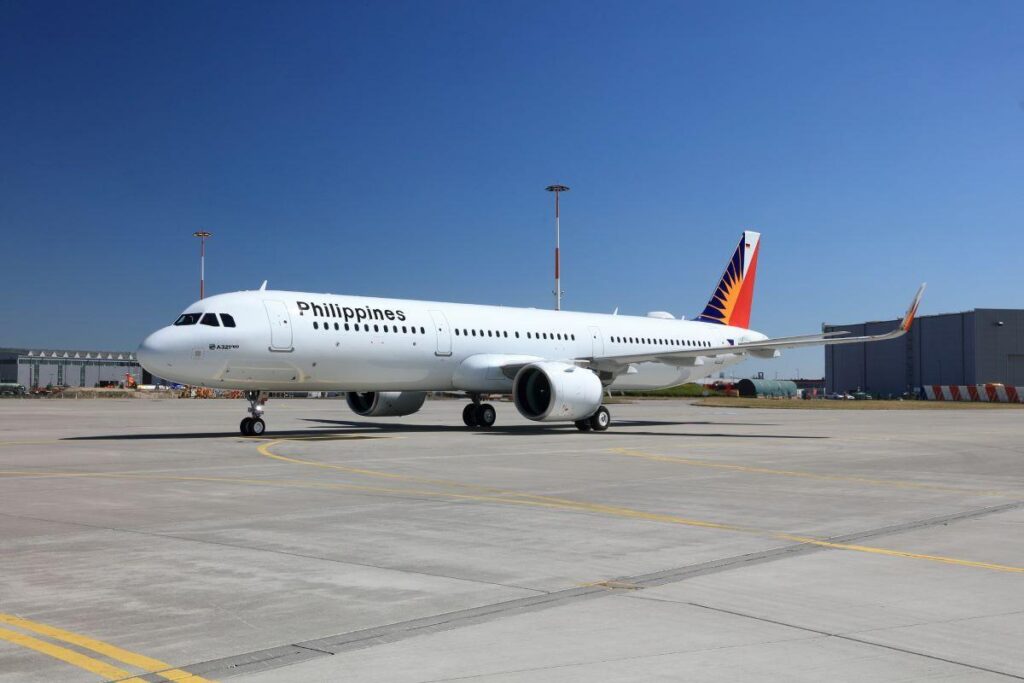
Philippine Airlines Secures Jet Fuel Supply Through June, Ensuring Stable Flights
In a significant move that promises stability for both the airline and its passengers, Philippine Airlines (PAL) has successfully secured its jet fuel supply through the end of June. This strategic procurement comes as a welcome relief in a global aviation landscape still grappling with supply chain uncertainties and volatile fuel prices. The assurance of a steady fuel stream means PAL can confidently maintain its extensive domestic and international flight schedules without disruption, offering peace of mind to travelers planning their summer journeys.
Navigating Global Fuel Volatility: A Proactive Step
The global aviation industry has faced a rollercoaster of challenges in recent years, with jet fuel availability and cost being among the most pressing. Geopolitical tensions, refinery output fluctuations, and logistical bottlenecks have all contributed to an environment of uncertainty. For an airline like PAL, which operates a vast network across Asia, North America, Australia, and the Middle East, a consistent fuel supply is not just an operational need—it’s the very lifeblood of its service.
By locking in its supply through Q2, PAL has demonstrated proactive and strategic resource management. This move effectively shields the airline, at least in the short to medium term, from potential spot-market shortages or sudden price spikes that could force last-minute flight cancellations or unsustainable fare increases. It’s a decisive action that underscores the airline’s commitment to operational reliability and customer satisfaction.
What This Means for Passengers and the Travel Industry
For the everyday traveler and the broader tourism sector, this news is unequivocally positive. The direct implications are clear and impactful:
* Flight Schedule Stability: Passengers can book flights on Philippine Airlines with greater confidence, knowing that the risk of cancellations due to fuel shortages is minimized.
* Predictable Operations: With a key variable secured, PAL can focus on optimizing its network and on-time performance, leading to a smoother travel experience.
* Support for Tourism Recovery: The Philippines’ tourism industry, a critical economic driver, relies on dependable air connectivity. PAL’s stability assures international and local tourists that the gateway flights are secure, supporting the country’s ongoing tourism recovery efforts.
* Economic Ripple Effect: Stable airline operations support related industries, including hotels, resorts, tour operators, and airports, fostering broader economic activity.
The Bigger Picture: Fuel Security as a Competitive Advantage
In today’s competitive aviation market, reliability is a key differentiator. An airline’s ability to consistently operate its promised schedule is a fundamental measure of its service quality. PAL’s fuel security move transforms a potential vulnerability into a tangible competitive advantage.
While other carriers might face operational headaches from supply hiccups, PAL can market itself as a dependable choice. This assurance is invaluable for business travelers, families planning vacations, and overseas Filipinos planning visits home. It builds trust and brand loyalty in a sector where consumer confidence is paramount.
Behind the Scenes: The Logistics of Fuel Supply
Securing jet fuel for a major airline is a complex endeavor. It involves long-term contracts with suppliers, intricate logistics for delivery to various hubs (like Manila, Cebu, and Clark), and stringent quality control measures. PAL’s accomplishment indicates robust partnerships with fuel suppliers and a sophisticated supply chain management team.
The airline likely utilized a mix of strategies, including:
* Long-term contractual agreements with major oil companies and fuel suppliers.
* Strategic fuel hedging to manage financial exposure to price fluctuations.
* Enhanced inventory management at its key airport hubs to create a buffer.
This multi-pronged approach showcases the airline’s maturity in managing one of its most critical and costly operational inputs.
Looking Beyond June: Sustainability and Future Planning
While securing supply through June is a crucial tactical win, the airline’s long-term vision undoubtedly includes looking at sustainable aviation fuel (SAF) and other efficiency measures. Jet fuel remains the largest operational expense and carbon footprint component for airlines globally. PAL’s current move provides the operational stability needed to simultaneously invest in future-focused initiatives.
The industry’s ultimate goal is to decouple growth from emissions, and fuel security today is a stepping stone towards that greener future. It allows PAL the financial and operational breathing room to explore:
* Partnerships for SAF procurement and blending.
* Investments in newer, more fuel-efficient aircraft like the Airbus A350 and A321neo.
* Continued optimization of flight paths and operational procedures to reduce consumption.
A Welcome Respite and a Foundation for Growth
The announcement that Philippine Airlines has secured its jet fuel supply through June is more than just an operational update; it is a strong signal of resilience and forward-thinking leadership. In an era where travel plans have been frequently upended, this move provides a layer of certainty that benefits everyone—from the passenger booking a seat to the businesses that depend on robust air travel.
It reinforces PAL’s position as the flag carrier of the Philippines, capable of navigating global headwinds to deliver on its promises. As the summer travel season approaches, this fuel security provides a solid foundation for PAL to not just maintain, but potentially grow its services, connecting the Philippines to the world with unwavering reliability. For travelers, the message is simple: your plans are on solid ground with Philippine Airlines.