Philippine Airlines Suspends Guam and Marianas Flights Amid Fuel Crisis
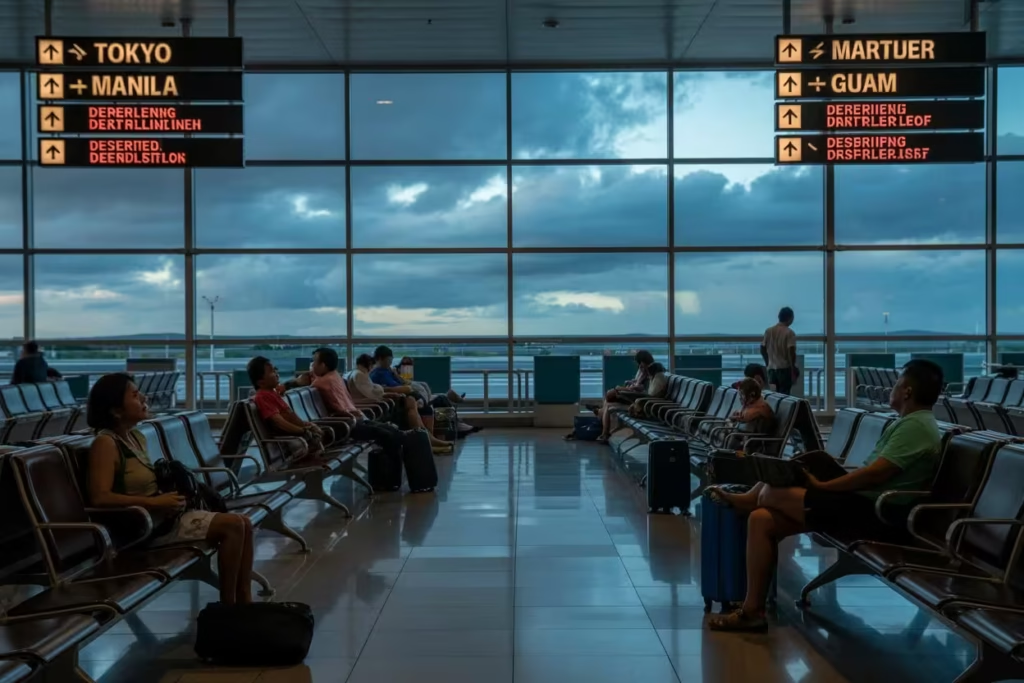
In a significant move impacting travel between the Philippines and the Western Pacific, Philippine Airlines (PAL) has announced the temporary suspension of its flights to Guam and the Commonwealth of the Northern Mariana Islands (CNMI). This decision, driven by an ongoing and severe aviation fuel supply crisis in the region, underscores the vulnerability of island economies to global logistical disruptions and leaves travelers and businesses scrambling for alternatives.
The Heart of the Matter: A Critical Fuel Shortage
The suspension is not a result of low demand or internal company issues but is a direct response to an external logistical emergency. Guam, a crucial transit and refueling hub in the Pacific, is experiencing a critical shortage of Jet A-1 fuel. This shortage has been attributed to a confluence of factors, including supply chain disruptions, maintenance work at key fuel facilities, and heightened regional activity straining existing reserves.
For an airline, consistent and reliable fuel supply is non-negotiable for flight operations. The uncertainty and inability to guarantee adequate fuel for the return leg of flights from Guam and Saipan have left PAL with no operational choice but to halt services. This proactive measure is aimed at avoiding last-minute cancellations or aircraft being stranded abroad, which would cause even greater passenger inconvenience.
Affected Routes and Timeline
The suspension affects the following key PAL routes:
- Manila (MNL) to Guam (GUM): A major route for tourism, business, and the vital Overseas Filipino Worker (OFW) community.
- Manila (MNL) to Saipan (SPN): Serving the capital of the CNMI, this route is essential for tourism and connecting family networks.
- Clark (CRK) to Guam (GUM): An alternative route from the airline’s hub at Clark International Airport.
The suspension is effective immediately for new bookings, with current operational flights expected to wind down as the airline manages the existing commitments. PAL has stated that the suspension will remain in place “until further notice,” directly linking the resumption of services to the stabilization of the fuel supply chain in Guam.
Ripple Effects: Travelers, Tourism, and Communities
The impact of this suspension extends far beyond airline schedules, sending shockwaves through multiple sectors.
Passenger Disruption and Alternatives
Travelers with existing bookings are being contacted by PAL for re-accommodation or refunds. The airline is likely offering options such as:
- Full refunds without penalties.
- Rerouting via other destinations where possible, though options are limited in the Western Pacific.
- Travel vouchers for future use.
Passengers are strongly advised to monitor official PAL communication channels and contact the airline directly for their specific cases. For those needing to travel, the suspension significantly reduces options, potentially leaving only limited and possibly more expensive connections through other Asian hubs like Tokyo or Seoul.
Economic Impact on Tourism and Business
Both Guam and the CNMI rely heavily on tourism, with the Philippine market representing a significant source of visitors. This sudden halt in direct air connectivity deals a blow to hotels, tour operators, and retailers who cater to Filipino tourists and business travelers. Conversely, Filipino communities in Guam and Saipan, as well as families relying on remittances and visits, face heightened isolation and difficulty.
The cargo capacity on these passenger flights, which often carries essential goods, perishables, and documents, is also halted, potentially affecting small businesses and supply chains between the regions.
Context: A Recurring Regional Challenge?
While acute, this fuel crisis is not an entirely isolated incident. Island territories like Guam face inherent logistical challenges due to their geographic isolation. Their fuel supply is dependent on a steady stream of tanker deliveries, and any delay or disruption—whether from global market volatility, refinery outages, or local infrastructure issues—can have immediate consequences.
This event raises broader questions about the resilience of critical infrastructure in Pacific island nations and territories. It highlights the need for diversified supply strategies, increased on-island storage capacity, and regional cooperation to mitigate the risks of such shortages in the future. For the aviation sector, it’s a stark reminder of operational dependencies that exist far beyond the tarmac.
Looking Ahead: When Will Flights Resume?
The million-dollar question for stranded passengers and anxious businesses is: How long will this suspension last? Philippine Airlines has been clear that the ball is not in their court. The resumption of services is entirely contingent on confirmation from their fuel suppliers in Guam that a stable, reliable, and long-term fuel supply has been restored.
Key indicators to watch will be statements from the Guam International Airport Authority and major fuel distributors on the island. The resolution likely involves the arrival of supplemental fuel tankers and the completion of any maintenance work that has hampered distribution. PAL has assured the public that they are in constant coordination with local authorities and will restart flights at the earliest possible opportunity.
Advice for Affected Stakeholders
- Travelers: Do not proceed to the airport for a suspended PAL flight. Check your email and SMS for official notifications from the airline. Contact PAL’s reservation hotline or visit their official website for verified rebooking and refund procedures. Consider exploring travel insurance claims if applicable.
- Businesses: Explore alternative logistics and shipping routes for time-sensitive cargo. Communicate proactively with clients and partners about potential delays.
- Tourism Operators: Develop contingency marketing plans and reach out to bookers from the Philippine market with updates and alternative suggestions where possible.
A Sobering Reminder of Interconnected Vulnerabilities
The suspension of Philippine Airlines’ flights to Guam and the Marianas is more than a travel advisory; it’s a case study in global interconnectedness and local vulnerability. It demonstrates how a supply chain issue on one island can sever air links, disrupt economies, and separate communities across a vast ocean.
While temporary, the situation underscores the critical importance of robust infrastructure and contingency planning in remote regions. For now, passengers, businesses, and the airlines themselves must navigate this unexpected turbulence, all hoping for a swift resolution to the fuel crisis that has left a noticeable void in the skies of the Western Pacific. The resumption of these iconic routes will be a welcome sign that normalcy—and more importantly, reliability—has been restored.