Fastcraft Operator Announces Upcoming Fare Increase for Passengers
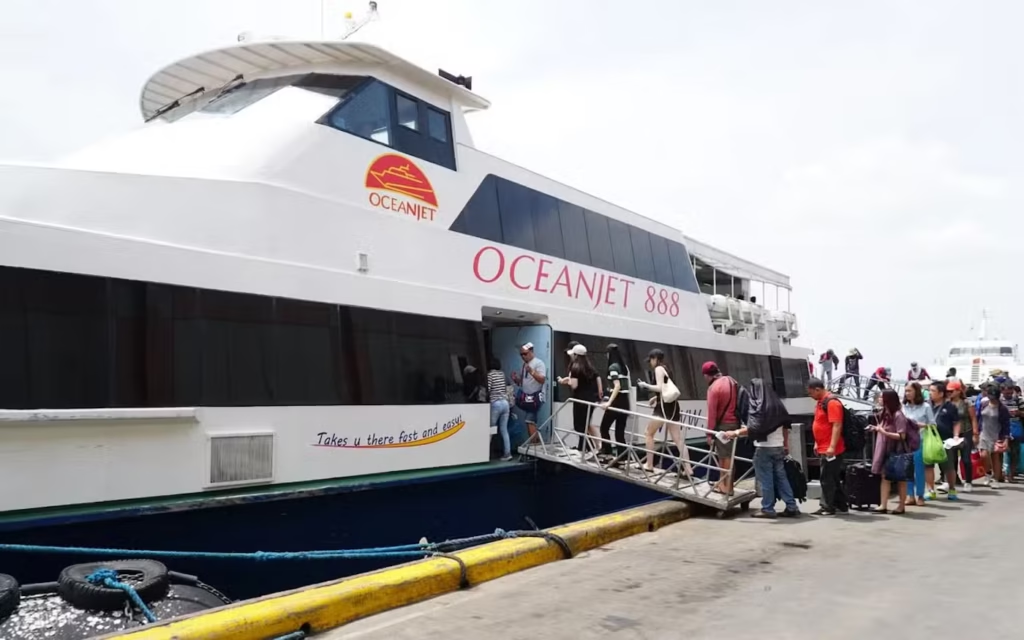
For countless commuters and tourists, fastcraft ferries are the vital arteries connecting islands, providing a crucial link for work, family, and leisure. This essential service, however, is not immune to the broader economic pressures facing the transportation sector. In a move that will impact many, a major fastcraft operator has officially announced an impending increase in passenger fares. This decision, while difficult, is framed as a necessary step to ensure the continued safety, reliability, and quality of the maritime service millions depend on.
Navigating Rising Costs: The Reasons Behind the Increase
The announcement did not come as a complete surprise to industry observers, as the maritime transport sector has been grappling with a perfect storm of escalating operational expenses. The fare adjustment is a direct response to these sustained financial pressures.
Soaring Fuel Prices: As with all transport industries, fuel represents one of the largest single costs for fastcraft operations. Global oil market volatility has led to significant and unpredictable spikes in fuel prices over recent years. This instability makes long-term budgeting a challenge and directly eats into operational margins.
Maintenance and Parts Inflation: Maintaining a fleet of high-speed vessels to the highest safety standards is non-negotiable. The cost of spare parts, specialized marine equipment, and dry-docking services has risen substantially. Furthermore, global supply chain issues have increased both the cost and lead time for critical components.
Increased Labor and Regulatory Costs: Ensuring a skilled and certified crew is paramount. Competitive wages, benefits, and ongoing training for captains, engineers, and service staff contribute to rising personnel costs. Additionally, adherence to evolving and stringent maritime safety and environmental regulations often requires costly upgrades and compliance measures.
What Passengers Can Expect
While the official notification has been released, the exact percentage or flat-rate increase for different routes and passenger classes (e.g., economy, business) is still being finalized. The operator has indicated that the new fare structure will be implemented in the coming months, giving regular passengers time to adjust.
The company has pledged full transparency throughout this process. They have committed to:
- Providing clear, advanced notice before the new fares take effect.
- Displaying updated fare matrices prominently at all ticketing offices and on their official website and mobile app.
- Offering detailed explanations to the public regarding how the additional revenue will be reinvested into the service.
Reinvestment into Service and Safety
The operator is keen to emphasize that this is not merely a cost-pass-through exercise. In their statement, they outlined a clear reinvestment strategy aimed at enhancing the overall passenger experience and ensuring long-term sustainability.
Fleet Modernization and Upgrades: A portion of the new revenue will be allocated to ongoing maintenance and planned upgrades for the existing fleet. This includes cabin refurbishments, improved seating, and upgrades to onboard amenities like Wi-Fi and entertainment systems.
Enhanced Safety Protocols and Training: Investment in state-of-the-art navigation and safety equipment is a top priority. This also includes advanced simulation training for crew members to handle various scenarios, ensuring passenger safety remains the absolute cornerstone of their operation.
Terminal Facility Improvements: The passenger experience begins and ends at the terminal. Plans are reportedly in the works to improve waiting area comfort, streamline boarding processes, and upgrade ticketing and baggage handling systems at key ports.
How to Stay Updated and Plan Ahead
For frequent travelers and those planning future trips, staying informed is key. Here’s what you can do:
- Monitor Official Channels: Avoid unofficial sources. All official communications will be made through the fastcraft operator’s verified website, official social media pages, and press releases.
- Sign Up for Notifications: If the company offers an email newsletter or SMS alert system, consider subscribing. This is often the fastest way to receive direct updates on fare changes and promotions.
- Explore Loyalty Programs: Investigate if the operator has a frequent traveler or loyalty program. These programs often provide members with early notifications, points that can offset costs, or exclusive access to pre-increase ticket sales.
- Consider Travel Passes: For daily or weekly commuters, inquire about bulk ticket packages or monthly unlimited ride passes. These can sometimes offer significant savings compared to single-journey tickets, even after a fare increase.
The Bigger Picture: Maritime Transport in a Changing Economy
This fare increase reflects a broader challenge within the essential transport sector. Fastcraft operators balance a dual mandate: to provide an affordable public service and to run a financially viable business that can invest in its future. When input costs rise relentlessly across the board, fare adjustments become inevitable for survival.
Passenger understanding, while understandably tempered by budget concerns, is often rooted in seeing tangible improvements. The operator’s ability to clearly communicate where the extra money is going—into cleaner, safer, more reliable, and more comfortable vessels—will be crucial in maintaining public trust.
Community feedback channels, such as managed email addresses or town hall-style meetings, will also be important. A constructive dialogue between the operator and its passengers can help identify priority areas for improvement, making the fare adjustment feel more like a partnership in enhancing a shared essential service.
Looking Beyond the Fare Hike
While the immediate focus is on the increased cost to the passenger’s wallet, the long-term view is about sustainability. A financially healthy operator is one that can:
- Guarantee consistent schedules and minimize service disruptions.
- Attract and retain the best maritime professionals.
- Invest in newer, more fuel-efficient, and environmentally friendly vessels for the future.
- Withstand economic shocks without resorting to drastic service cuts.
The coming months will be a period of adjustment. The success of this transition will hinge on the operator’s commitment to transparency and quality, and on the passengers’ assessment of whether the enhanced service truly delivers value for the new price of a ticket.
For now, travelers are advised to keep a close watch on official announcements, budget accordingly for future journeys, and look for the promised upgrades that aim to make every voyage safer and more pleasant. The sea route remains indispensable, and its future reliability depends on navigating these challenging economic currents together.