Hidden Island Wonders Fuel the Philippines’ Tourism Transformation
For decades, the postcard image of the Philippines has been dominated by the powdery white sands of Boracay and the iconic Chocolate Hills of Bohol. While these destinations remain beloved, a powerful new trend is reshaping the archipelago’s tourism landscape. Travelers, increasingly seeking authenticity, solitude, and unspoiled nature, are venturing beyond the well-trodden paths. This collective discovery of the Philippines’ hidden island wonders is driving a profound tourism transformation, decentralizing economic benefits and fostering a more sustainable model for the future.
Beyond the Beaten Path: The Allure of the Undiscovered
The modern traveler’s ethos has evolved. The desire is no longer just for a beautiful beach, but for an experience that feels unique and personal. The Philippines, with over 7,600 islands, is uniquely positioned to meet this demand. Social media and travel blogs have become digital treasure maps, highlighting secluded coves, vibrant community-led tours, and ecosystems far from the crowds.
This shift is moving the spotlight to emerging destinations that offer a different pace and perspective:
Emerging Gems Leading the Charge
- Siquijor: Once known primarily for mystic folklore, Siquijor is now celebrated for its serene atmosphere, stunning waterfalls like Cambugahay, and pristine dive sites. It’s a haven for wellness travelers and eco-explorers.
- Biri Island in Northern Samar: This destination is for the true adventurer. Its raw, dramatic landscape features giant rock formations sculpted by the Pacific Ocean’s fury, offering a starkly beautiful contrast to typical tropical imagery.
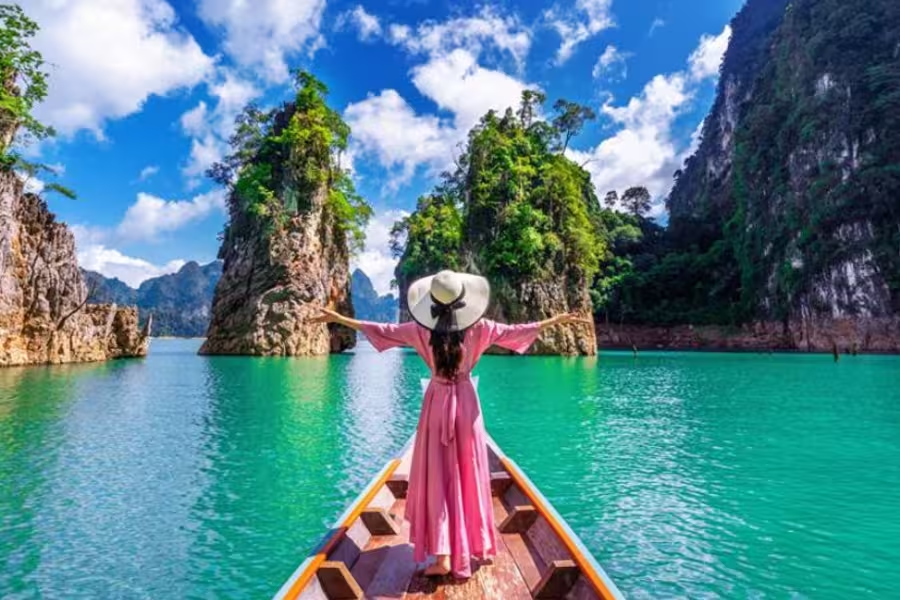
- Caramoan Peninsula in Camarines Sur: Famous in the international reality TV circuit, Caramoan’s jagged limestone karsts and hidden lagoons are now drawing independent travelers seeking its breathtaking, untouched scenery.
- Dinagat Islands: A geological marvel often called the “Mystical Island Province,” Dinagat boasts pink sand beaches, majestic rock formations, and a deeply spiritual heritage, providing a truly off-grid experience.
The Ripple Effect: Economic and Community Transformation
This dispersal of tourists is more than a trend; it’s an economic revolution. The benefits of tourism, once concentrated in a few hotspots, are now rippling out to lesser-known provinces. This creates a powerful multiplier effect:
- Local Job Creation: New opportunities arise not just in hospitality, but as local guides, boat operators, artisans, and homestay hosts.
- Entrepreneurial Growth: Residents are empowered to start small businesses, from crafting souvenirs using indigenous materials to opening family-run eateries serving authentic local cuisine.
- Infrastructure Development: Increased visitor interest often leads to improved roads, internet connectivity, and public facilities, benefiting both tourists and residents alike.
- Cultural Preservation: As communities see the value in their natural and cultural heritage, there is a stronger incentive to protect traditions, stories, and historical sites.
Sustainability: The Core of the New Paradigm
The transformation is intrinsically linked to a growing national and local emphasis on sustainability. The temporary closure and rehabilitation of Boracay in 2018 was a watershed moment, signaling a commitment to responsible tourism over unchecked growth. This lesson is being applied proactively in emerging destinations.
Community-based tourism models are flourishing, where visitors are invited not as mere spectators but as respectful guests. Practices include:
- Strict limits on visitor numbers to fragile sites.
- Emphasis on homestays and locally-owned small resorts over large chain hotels.
- Educational programs for tourists on proper waste disposal and reef protection.
- Tour packages designed in partnership with local cooperatives, ensuring income stays within the community.
Challenges on the Horizon
This positive shift is not without its challenges. The very act of promoting a hidden gem risks altering its essence. Key concerns include:
- Managing Growth: Preventing the overcrowding and environmental damage that plagued earlier destinations requires strong, enforced regulations from the outset.
- Building Capacity: Upskilling local communities in hospitality, environmental management, and business is crucial for long-term success.
- Balancing Accessibility with Preservation: Improving travel logistics is necessary, but it must be done thoughtfully to avoid a sudden influx that overwhelms local ecosystems.
The Future is Archipelagic
The Philippines’ tourism transformation is a story of depth being discovered. It proves that the country’s greatest asset is not just one or two famous islands, but the immense, diverse tapestry of its entire archipelago. The future looks “archipelagic”—a model where success is measured not by visitor numbers in a single location, but by the widespread, equitable, and sustainable distribution of tourism’s benefits.
For the discerning traveler, this means the Philippines now offers a more rewarding journey than ever. It’s an invitation to explore deeper, connect more meaningfully with communities, and become part of a positive story. The hidden islands are no longer just destinations; they are the active agents of change, fueling a brighter, more resilient future for Philippine tourism, one pristine beach and one empowered community at a time.