Discover the 9 UNESCO World Heritage Sites in the Philippines
The Philippines, an archipelago of over 7,600 islands, is a nation blessed with staggering natural beauty and a rich, complex history. This unique combination is globally recognized, with nine exceptional places inscribed on the prestigious UNESCO World Heritage List. These sites are not just tourist destinations; they are testaments to the Filipino spirit, showcasing awe-inspiring landscapes, architectural marvels, and living cultural traditions. From ancient rice terraces carved into mountains to Baroque churches that withstood centuries, let’s embark on a journey to discover these irreplaceable treasures.
A Legacy Carved in Stone and Faith: Cultural Heritage Sites
The Philippines’ cultural heritage is a vibrant tapestry woven from indigenous, colonial, and modern influences. Four of its UNESCO sites are magnificent examples of this cultural fusion and resilience.
1. The Banaue Rice Terraces and the Rice Terraces of the Philippine Cordilleras
Often called the “Eighth Wonder of the World,” the Banaue Rice Terraces are the most iconic symbol of this cluster. Carved into the mountains of Ifugao over 2,000 years ago by the ancestors of the indigenous people, these terraces are a masterpiece of ancient engineering and sustainable agriculture. They embody a profound harmony between humans and their environment. While Banaue is the most famous, the UNESCO designation covers five key terrace clusters in the region:
- The Nagacadan Terrace Cluster in Kiangan
- The Hungduan Terrace Cluster
- The Central Mayoyao Terrace Cluster
- The Bangaan Terrace Cluster in Banaue
- The Batad Terrace Cluster in Banaue
2. Baroque Churches of the Philippines
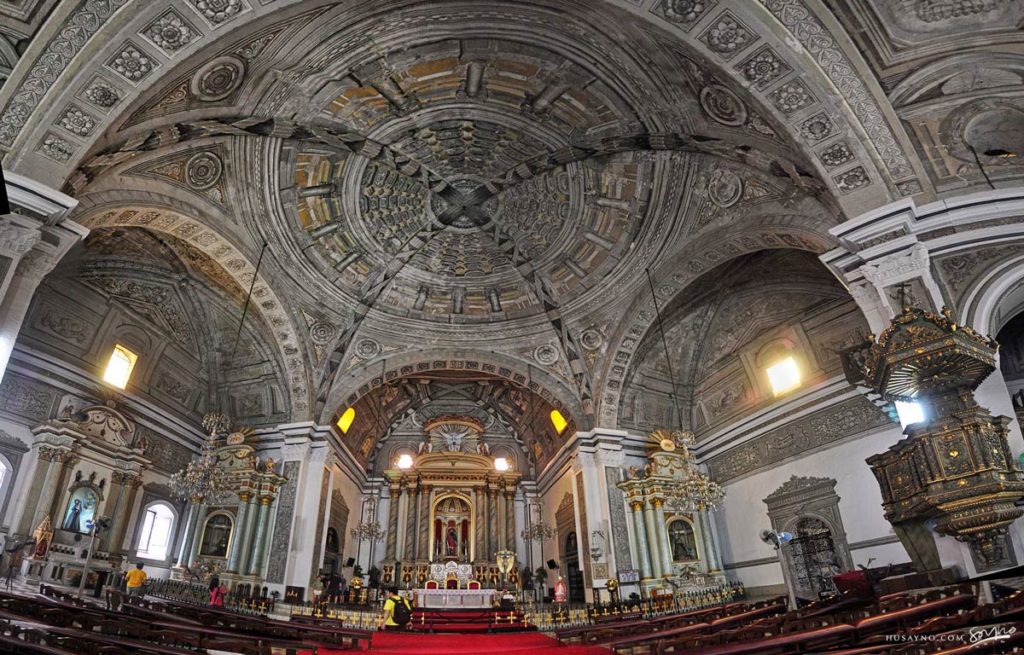
This serial property comprises four Roman Catholic churches built during the Spanish colonial period (16th-18th centuries). They are renowned for their unique interpretation of the European Baroque style using local materials and craftsmanship, creating a distinct Earthquake Baroque architecture.
- San Agustin Church in Manila (Intramuros): The oldest stone church in the country, surviving wars and earthquakes.
- Paoay Church in Ilocos Norte: Famous for its enormous, iconic buttresses designed to withstand seismic activity.
- Santa Maria Church in Ilocos Sur: A majestic church built on a hill, accessible by an 85-step granite stairway.
- Miag-ao Church in Iloilo: A fortress church with a stunning façade featuring a native palm tree and local flora bas-relief.
3. Historic City of Vigan
Step back in time in the best-preserved example of a planned Spanish colonial town in Asia. Established in the 16th century, Vigan’s unique architecture reflects the fusion of cultural elements from the Philippines, China, and Europe. Its grid street pattern, ancestral houses made of brick and wood, and cobblestone streets (Calle Crisologo) offer an unparalleled glimpse into the past as a living heritage city.
4. Mount Hamiguitan Range Wildlife Sanctuary
While primarily a natural site, Mount Hamiguitan’s significance is deeply intertwined with the cultural and biological knowledge of indigenous communities. This mountain on Mindanao Island features a unique pygmy forest of century-old trees growing on ultramafic soil. It is a sanctuary for numerous endangered and endemic species of flora and fauna, representing a globally significant reservoir of biodiversity.
Nature’s Masterpiece: Natural Heritage Sites
The Philippines is one of the world’s biodiversity hotspots, and its natural UNESCO sites are sanctuaries of life found nowhere else on Earth.
5. Tubbataha Reefs Natural Park
Located in the middle of the Sulu Sea, this pristine marine sanctuary is a model for coral reef conservation. Accessible only by liveaboard boats during a limited season, it covers over 130,000 hectares of high-quality marine habitats containing at least 600 fish species, 360 coral species, 11 shark species, and 13 dolphin and whale species. It is a critical nesting site for birds and marine turtles.
6. Puerto-Princesa Subterranean River National Park
This park features a spectacular limestone karst landscape with an underground river that flows directly into the sea. One of the world’s most unique cave systems, visitors can paddle through its navigable stretch, marveling at awe-inspiring rock formations and chambers. Above ground, it protects a significant forest ecosystem within the Palawan biogeographic region.
7. Mount Hamiguitan Range Wildlife Sanctuary
As highlighted earlier, this site is a natural fortress of biodiversity. Its elevation gradient creates a series of terrestrial and aquatic habitats, including the mesmerizing “Bonsai Forest,” home to the iconic Philippine Eagle and the critically endangered Philippine Cockatoo.
A Journey Through Deep Time: Mixed Cultural and Natural Sites
One site in the Philippines is honored for its outstanding value to both human culture and natural history.
8. Chocolate Hills Natural Monument
This extraordinary geological formation in Bohol consists of at least 1,268 perfectly cone-shaped hills spread over an area of more than 50 square kilometers. During the dry season, the grass covering them turns chocolate brown, hence the name. Their unique and uniform morphology continues to intrigue geologists, with their origin remaining a topic of scientific debate and local legend.
A New Addition: Celebrating a Living Tradition
The most recent inscription highlights the Philippines’ rich intangible cultural heritage, given equal importance by UNESCO.
9. The Cultural Landscape of Old Batanes
Inscribed just in 2023, this site recognizes the harmonious coexistence of the Ivatan people with a remote and challenging environment. The landscape of Batanes, with its stone houses, fortified villages (Idjang), and traditional farming systems, reflects a sustainable way of life developed over centuries to withstand typhoons and isolation. It is a living cultural landscape where community traditions and respect for nature remain strong.
Embracing a Heritage to Protect
Discovering the nine UNESCO World Heritage Sites in the Philippines is more than a travel itinerary; it is an invitation to understand the soul of the nation. These sites tell stories of ingenuity, faith, resilience, and a deep connection to the land and sea. They are sources of national pride and invaluable assets for all humanity. As visitors and stewards, it is our shared responsibility to appreciate, respect, and support the conservation efforts that keep these wonders alive for generations to come. Whether you seek adventure, history, or spiritual awe, the Philippines’ World Heritage Sites offer an unforgettable journey into the heart of what makes this archipelago truly exceptional.