Airlines Launch Rescue Flights for Tourists Stranded in Middle East
In a swift response to a rapidly escalating regional conflict, major international airlines have initiated a series of emergency “rescue flights” to evacuate thousands of tourists stranded across several Middle Eastern countries. The sudden closure of airspace and cancellation of hundreds of commercial flights left vacationers and business travelers alike in a state of uncertainty, prompting carriers and governments to coordinate a complex aerial repatriation effort.
The Trigger: Sudden Airspace Closures
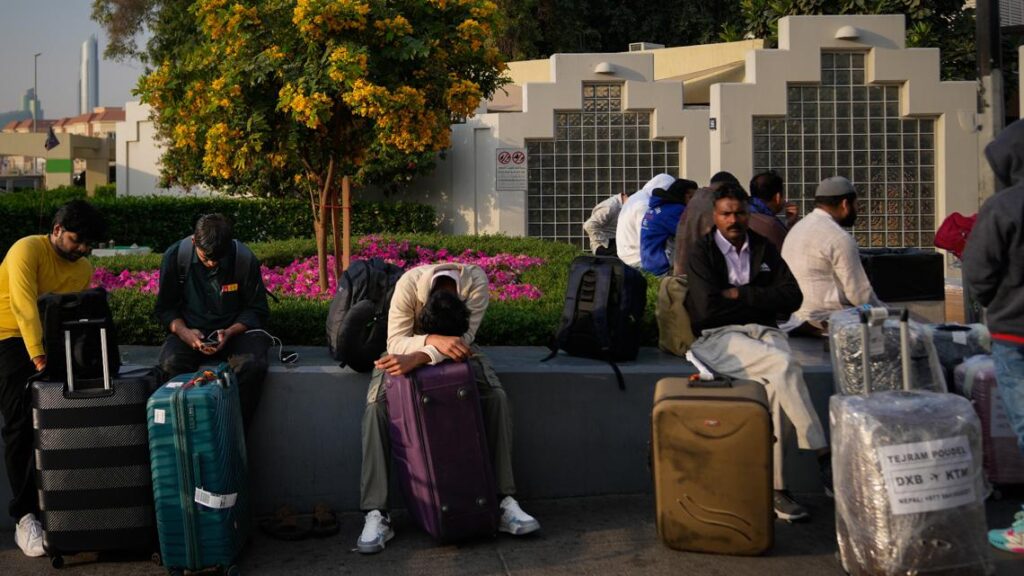
The crisis unfolded as geopolitical tensions boiled over, leading multiple nations to close their airspace as a security precaution. This unprecedented move effectively grounded all inbound and outbound commercial air traffic from key tourist hubs, trapping an estimated tens of thousands of foreign nationals. Travelers reported scenes of confusion at airports, with departure boards showing a sea of cancellations and little initial guidance from authorities.
The immediate priority became clear: locate safe corridors in the skies and get people out. Civil aviation authorities, foreign ministries, and airline operations centers began working around the clock to assess viable routes, secure diplomatic clearances, and deploy aircraft to the affected regions.
The Rescue Mission Takes Flight
Leading global carriers, including European, Asian, and North American airlines, mobilized their resources. These were not typical scheduled services; these were special humanitarian-focused operations.
Key Actions by Airlines:
- Deploying Empty Aircraft: Airlines flew empty “ferry” flights into neighboring, safer airports to pick up their stranded citizens and customers.
- Rerouting and Larger Planes: Some carriers rerouted existing long-haul flights to make special stops, while others swapped in larger aircraft like the Airbus A380 or Boeing 777 to maximize passenger capacity per trip.
- Waiving Fees and Flexible Rebooking: Strict ticket change policies were universally waived. Airlines allowed stranded passengers to rebook on any available rescue flight or alternative routing at no extra cost.
- Coordinating with Governments: Close coordination with foreign embassies was crucial. Governments chartered flights for their citizens and worked with commercial airlines to share information and streamline the evacuation process from specific airports.
Challenges in the Sky and on the Ground
Organizing such a large-scale evacuation under tense conditions presented immense logistical and diplomatic hurdles.
Airspace Complexity: The primary challenge was navigating the patchwork of closed and open airspace. Flight planners had to chart new, often longer, routes that avoided conflict zones, adding hours to flight times and requiring careful fuel calculations.
Airport Congestion: Designated “hub” airports in safe countries, such as those in Greece, Cyprus, and Jordan, experienced sudden congestion. Managing the influx of special flights, processing large groups of stressed passengers, and handling luggage required exceptional ground coordination.
Passenger Communication: Keeping thousands of anxious travelers informed was a monumental task. Airlines utilized emergency communication systems, SMS alerts, and dedicated crisis web pages to provide instructions on where to gather and when flights would depart.
On the Ground: A Tourist’s Perspective
For tourists, the experience was a frightening disruption of what was meant to be a relaxing holiday. Many described the abrupt shift from poolside tranquility to anxious uncertainty.
- Extended Stays: Travelers faced unexpected hotel costs and the challenge of finding available accommodation as flights were canceled day after day.
- Scrambling for Information: Reliance on airline apps, embassy social media, and news reports became constant. Long queues at airline service desks were common.
- Emotional Toll: The stress of being far from home during a geopolitical crisis, coupled with uncertain departure plans, took a significant emotional toll on individuals and families.
“One moment we were planning a desert tour, the next we were registered on a list with our embassy waiting for a text message telling us which bus to catch to which airport,” recounted one evacuated tourist.
Lessons Learned and the Path Forward
This event serves as a stark reminder of the fragility of global travel in the face of regional instability. It has prompted a reevaluation of crisis response protocols across the aviation industry.
Key Takeaways for the Future:
- Enhanced Communication Protocols: Airlines and governments are likely to invest in more robust, multi-channel communication tools to reach passengers instantly during crises.
- Pre-negotiated Contingency Agreements: There may be a push for pre-established diplomatic agreements for emergency air corridors to expedite future evacuations.
- Traveler Preparedness: The incident underscores the critical importance of traveler registration with one’s home embassy when abroad and the purchase of comprehensive travel insurance that covers trip disruption and emergency evacuation.
- Dynamic Risk Assessment: Airlines’ operational risk models will be updated with new data, potentially leading to more proactive flight cancellations or rerouting at the very first sign of serious tension.
Conclusion: A Testament to Global Mobility’s Resilience
While the images of stranded tourists and chaotic airports were distressing, the rapid mobilization of international airlines in launching rescue flights highlights the resilience and responsibility embedded in the global aviation network. This coordinated effort, involving both commercial entities and national governments, succeeded in turning a potential humanitarian logjam into a managed exodus.
For the returning tourists, the experience was undoubtedly traumatic, but the sight of their national carrier’s aircraft waiting to bring them home provided immense relief. As the region works towards stability, the aviation industry’s lesson is clear: preparation, coordination, and clear communication are the most valuable fuels for navigating the turbulent skies of a crisis. The success of these rescue flights not only brought people home but also demonstrated a vital, often unseen, layer of security within the framework of international travel.