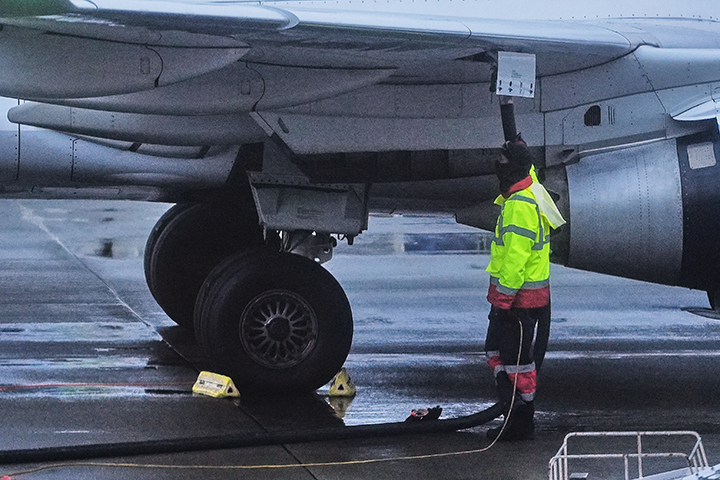
Rising Jet Fuel Costs Threaten Cebu Travel Demand This Summer
The summer sun is shining, and the turquoise waters of Cebu are calling. For many Filipinos and international tourists, the island province is the quintessential summer escape. However, this year, the journey to paradise is facing a significant headwind. A sharp and sustained increase in global jet fuel prices is casting a long shadow over the travel industry, threatening to dampen the much-anticipated summer travel boom to destinations like Cebu.
For airlines, jet fuel is the single largest operational expense, often constituting 30-40% of their total costs. When prices soar, the financial pressure is immediate and intense. The current surge, driven by complex geopolitical tensions and tightening global oil supplies, is forcing carriers to make difficult decisions that directly impact the traveler’s wallet and, consequently, travel demand.
The Direct Impact: Soaring Airfares to Cebu
The most immediate and palpable effect of rising jet fuel costs is the increase in airfares. Airlines, already navigating a post-pandemic landscape of high debt and operational adjustments, have little choice but to pass a portion of these increased costs onto passengers.
What This Means for Your Cebu Getaway:
- Higher Ticket Prices: Travelers planning a trip to Cebu from Manila, other domestic points, or international hubs will likely encounter fares noticeably higher than last year. Promo fares, while still existing, may come with more restrictions or be less frequent.
- Reduced Flight Frequency: On some less profitable routes, airlines might opt to reduce the number of flights to Cebu to consolidate passengers and improve load factors, reducing seat availability and potentially driving prices up further.
- Re-evaluated Travel Budgets: For families and budget-conscious travelers, the increased cost of air travel may force a tough choice: shorten the trip, opt for a different destination, or forego travel altogether.
This price sensitivity is particularly acute in a market like the Philippines, where a large segment of travel is driven by visiting friends and relatives (VFR) and domestic tourism, both of which are highly cost-conscious.
A Ripple Effect Across Cebu’s Tourism Ecosystem
The threat isn’t confined to airport departure boards. The potential drop in visitor arrivals triggers a domino effect that reaches every corner of Cebu’s tourism-dependent economy.
If fewer people can afford to fly in, the entire local ecosystem feels the pinch.
Sectors at Risk:
- Hotels and Resorts: From luxury establishments in Mactan to budget hostels in Moalboal, occupancy rates could drop, leading to lost revenue and potential staffing adjustments.
- Tour Operators and Guides: Island-hopping tours to Bantayan, canyoneering in Alegria, and whale shark watching in Oslob all depend on a steady stream of visitors. Reduced arrivals mean fewer bookings.
- Transportation Services: Rental car companies, taxi drivers, and habal-habal operators will see decreased demand for their services.
- Restaurants and Retail: Fewer tourists translate to quieter restaurants, bars, and souvenir shops, impacting the livelihoods of countless small business owners and their employees.
The summer season is a crucial period for these businesses to generate revenue that often sustains them through the quieter monsoon season. A weak summer can have prolonged financial consequences.
How the Industry is Responding to the Challenge
Faced with this challenge, airlines and tourism stakeholders are not standing still. Several strategies are being deployed to mitigate the impact and keep Cebu accessible.
Airline Adaptations:
- Fuel Surcharges: Some carriers are reinstating or increasing fuel surcharges as a separate line item on tickets, making the cost of fuel more transparent (though not less painful).
- Fleet Optimization: Using newer, more fuel-efficient aircraft on key routes to Cebu can help burn less fuel per passenger.
- Operational Efficiency: Initiatives like single-engine taxiing, optimized flight paths, and weight reduction on aircraft are being emphasized to save every drop of fuel.
Cebu’s Tourism Sector Fights Back:
- Aggressive Promotions: The Department of Tourism and local tourism boards may ramp up marketing campaigns highlighting Cebu’s value beyond just airfare.
- Packaged Value Deals: Hotels and tour operators might create more all-inclusive or bundled packages that offer perceived savings, absorbing some of the travel cost shock for the visitor.
- Focus on the Domestic Market: With international travel potentially more affected by higher long-haul fuel costs, a renewed push to attract Filipino travelers from Luzon and Mindanao becomes even more critical.
Traveler Tips: Navigating the High-Cost Summer to Cebu
While the landscape is challenging, your dream Cebu summer trip isn’t necessarily canceled. It just requires more strategic planning.
Flexibility and smart booking are your greatest assets in this environment.
- Book Early, Book Smart: Airfares are likely to only increase as the summer peak approaches. Lock in your flights as early as possible. Use fare alert tools and be flexible with your travel dates—flying mid-week is often significantly cheaper.
- Consider Alternative Airports: Look at flights into Mactan-Cebu International Airport from different origin cities or check if flying into a nearby airport (like Dumaguete or Bohol) and taking a ferry is a cost-effective alternative.
- Extend Your Stay: If the airfare is a fixed high cost, consider staying longer in Cebu to get more value from the flight expense. The cost-per-day of your trip goes down with a longer stay.
- Explore Package Deals: Keep an eye out for flight + hotel packages, which can sometimes offer better overall value than booking each component separately, as travel agencies can secure bulk rates.
- Budget for Priorities: If getting to Cebu is the priority, you might need to adjust your on-ground budget. Opt for a more modest accommodation to afford the flight, or dine at local eateries instead of high-end restaurants.
Looking Beyond the Summer Horizon
The current jet fuel crisis is a stark reminder of the aviation and tourism industry’s vulnerability to global commodity shocks. For a destination like Cebu, whose economic vitality is so closely tied to the skies, it underscores the need for long-term strategies.
This includes continued infrastructure development, diversification of source markets, and enhancing the overall value proposition so that Cebu remains a “must-visit” destination even when travel costs rise. For now, the message is clear: the path to a Cebu summer is paved with higher costs, but with careful planning, the island’s legendary beaches, rich history, and warm hospitality remain within reach for those who still answer the call.