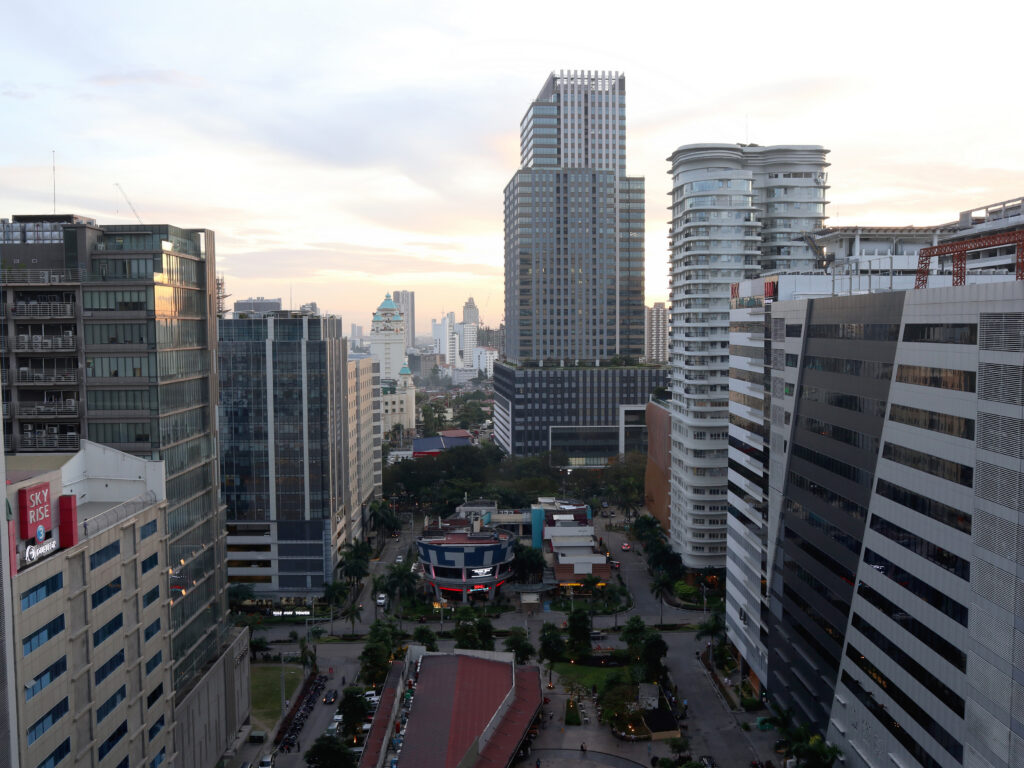
Cebu Property Market 2025: Robust Office and Residential Demand Sustains Growth
The Cebu real estate landscape continues to defy headwinds, posting consistent expansion across both office and residential segments as 2025 unfolds. Industry data and developer sentiment confirm that demand remains structurally strong, driven by a deepening business process outsourcing (BPO) sector, infrastructure upgrades, and a steady inflow of local and foreign investment. This is not a short-term spike—it reflects a mature market recalibrating around long-term fundamentals.
Why Cebu’s Office Market Is Unstoppable
Office vacancy rates in Cebu’s central business districts—particularly Cebu City, Mandaue, and Lapu-Lapu—have hovered near single digits since late 2024. Leasing activity is being propelled by three powerful forces.
1. BPO and IT-BPM Expansion
The Philippines remains the world’s second-largest BPO destination, and Cebu is its most competitive regional hub. Global tech firms and outsourcing providers are expanding their footprints, not just maintaining them.
Key drivers:
- Cost advantage – Cebu offers office rents 30–40% lower than Metro Manila’s Makati or BGC, without sacrificing talent quality.
- Talent pipeline – With over 20 universities and a high English proficiency rating, the labor pool is deep and growing.
- Fiber connectivity – Recent submarine cable landings in Cebu have improved internet resilience, a non-negotiable for BPOs.
2. Hybrid Work’s Real Estate Impact
Contrary to fears that remote work would kill office demand, Cebu has seen a shift toward flexible, high-quality spaces. Landlords that invested in coworking amenities, wellness features, and collaborative zones are leasing faster. Pre-commitment rates for new Grade A buildings in 2025 already exceed 70%.
3. Infrastructure as a Catalyst
The Cebu-Cordova Link Expressway (CCLEX), the new Mactan-Cebu Bridge, and the ongoing Metro Cebu Expressway are decongesting travel times. This has opened up peripheral areas like Consolacion, Talisay, and Minglanilla to office developers, where land is cheaper and demand is rising.
Expert take: “Cebu’s office market is no longer a satellite of Manila. It has its own demand cycle, driven by regional headquarters and niche tech firms that value the lifestyle advantage here.” — Senior Research Analyst, KMC Savills
Residential Demand: More Than Just a Spillover
While office demand is impressive, the residential sector is the true story of sustained momentum. Condominium and horizontal housing absorption rates in 2025 are exceeding pre-pandemic highs.
What’s Fueling the Housing Boom?
Workforce migration: As more BPOs and tech companies set up shop, employees relocate from Manila, Mindanao, and even abroad. Many are young professionals who prefer to own rather than rent.
Overseas Filipino Workers (OFWs) returning: A significant wave of OFWs from the Middle East and Europe are investing in Cebu real estate as a retirement and rental-income play. They favor mid- to high-end condos in IT Park, Cebu Business Park, and along the South Road Properties.
Limited supply of prime lots: Developable land in central Cebu is shrinking. This scarcity is pushing prices up 8–12% year-on-year, making early buying a lucrative hedge against inflation.
Segment-by-Segment Breakdown
- Luxury condos (₱8M+) – Inventory remains tight. Projects like Avida’s new tower in IT Park sold out within weeks of launch.
- Mid-income condos (₱3M–₱6M) – The sweet spot. Developers are shifting to larger unit sizes (30–40 sqm) to accommodate home-office setups.
- Socialized and economic housing – Demand is huge but supply lags. Public-private partnerships are emerging in towns like Danao and San Fernando.
Key Market Indicators for 2025
Data from the Colliers Philippines Q1 2025 report highlights the following:
| Metric | 2024 Actual | 2025 Forecast |
|---|---|---|
| Office vacancy rate (Cebu CBDs) | 12.5% | 9.8% |
| Residential pre-selling take-up | 4,100 units | 5,200 units |
| Average rental yield (condos) | 5.2% | 5.8% |
| Land price growth (prime areas) | 9% | 11% |
These numbers point to a market where demand is not only holding but accelerating, despite higher interest rates and global economic uncertainty.
Challenges That Could Temper Growth
No market is without risks. Cebu faces three structural challenges that investors must monitor:
1. Traffic congestion is worsening. While infrastructure projects are under way, completion timelines are often delayed. Commute times from new residential zones to IT Park can exceed 90 minutes during peak hours.
2. Construction cost inflation. Steel, cement, and labor costs have risen 15–20% since 2023. This is squeezing developer margins and could slow new project launches in late 2025.
3. Regulatory unpredictability. Local zoning ordinances and building permit processes vary between cities. The national government’s push for a unified real estate data system is promising but not yet implemented.
Even so, veteran developers are adapting. They are pre-selling earlier, using modular construction methods, and offering price-lock guarantees to buyers.
Where Smart Money Is Moving in 2025
Based on transaction patterns and developer roadmaps, these submarkets are poised for the strongest appreciation:
- South Road Properties (SRP) – Once a sleepy reclaimed area, SRP now hosts SM Seaside City, university campuses, and new residential towers. Land values here have tripled in five years.
- Mandaue City – Subangdaku & Mantuyong – Close to IT Park and the new Mactan bridge, these barangays are being redeveloped into mixed-use districts.
- Lapu-Lapu City – Mactan Newtown – The beach-meets-BPO vibe is attracting foreign buyers and leisure investors. Condo yields here are among the highest in the Visayas.
- Danao & Compostela – Northern corridor – As Cebu’s center prices out many, the north offers affordable lots with expressway access. Bulk land sales are up 40% year-on-year.
Final Outlook: Structural Strength, Not Hype
Cebu’s office and housing demand in 2025 is not a speculative bubble waiting to pop. It is grounded in real economic activity—job creation, infrastructure investment, and demographic shifts. The BPO sector alone employs over 250,000 in Metro Cebu, and that number is projected to grow by 8% annually.
For institutional investors, the message is clear: Cebu offers a rare combination of yield, liquidity, and growth runway that mature markets like Singapore or Bangkok cannot match. For individual buyers, the window of affordability is narrowing. The best time to enter was last year; the second-best time is now.
As one local developer put it: “Cebu’s real estate market isn’t just strong—it’s becoming self-sustaining. The demand isn’t coming from outside anymore. It’s coming from the people who live here, work here, and choose to build their future here.”
That future, if current trajectories hold, looks remarkably solid through 2025 and beyond.