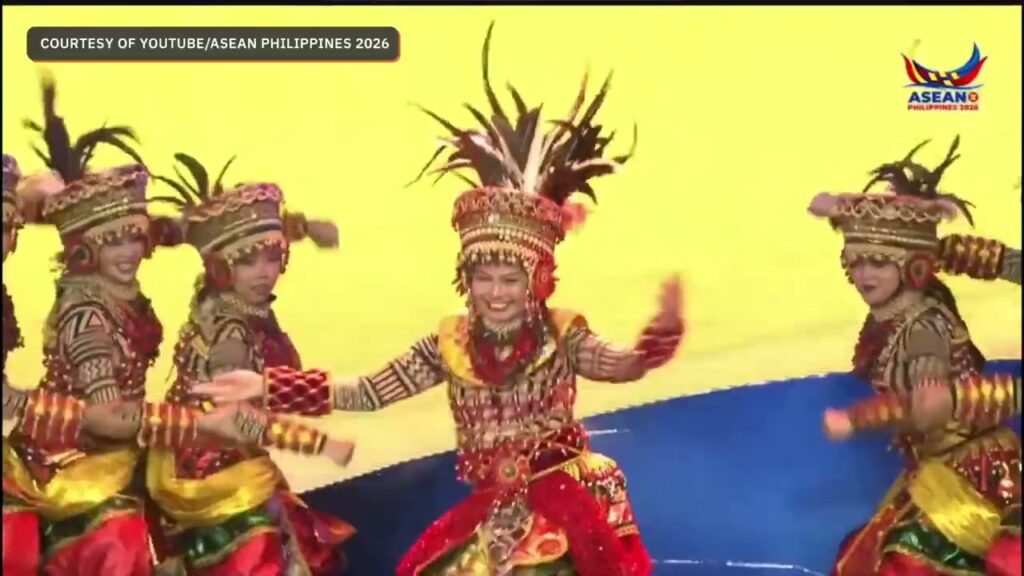
Lumad Basakanon Dance and ASEAN Anthem Steal the Spotlight at Summit Opening Ceremony
The opening of any major summit sets the tone for the days ahead, and this year’s ASEAN-related gathering did not disappoint. Delegates, dignitaries, and global media were treated to a powerful display of cultural heritage as the Lumad Basakanon dance and the stirring notes of the ASEAN Anthem took center stage.
These performances were more than ceremonial filler—they were deliberate statements about identity, unity, and the role of cultural diplomacy in regional cooperation.
The Lumad Basakanon: A Dance of Heritage and Identity
Origins and Cultural Significance
The Lumad Basakanon is a traditional dance rooted in the indigenous communities of Mindanao, Philippines. The term “Lumad” refers to the collective of non-Muslim indigenous groups in the southern Philippines, while “Basakanon” denotes a specific community or style originating from the Basak area.
This dance is not merely entertainment; it is a living narrative that recounts the struggles, joys, and daily life of the Lumad people.
Key elements of the Lumad Basakanon include:
- Intricate footwork that mimics agricultural movements such as planting and harvesting
- Vibrant handwoven costumes featuring traditional patterns symbolizing ancestral ties
- Rhythmic percussive music using indigenous instruments like the kulintang and gabbang
- Chant-like vocalizations expressing gratitude, resistance, or celebration
For many in the audience, the performance offered a rare window into a culture that has faced historical marginalization. It also reinforced that ASEAN’s diversity includes not only modern nation-states but also indigenous communities whose traditions predate colonial borders.
Why This Performance Mattered at a Summit
The inclusion of Lumad Basakanon in the opening ceremony was a deliberate curatorial decision. In recent years, ASEAN summits have increasingly highlighted indigenous art forms to anchor diplomacy in authentic cultural expression.
The performance achieved several strategic objectives:
- Elevating Indigenous Voices – Bringing Lumad communities into the diplomatic spotlight
- Showcasing National Identity – Demonstrating commitment to intangible cultural heritage
- Bridging Tradition and Modernity – Pairing ancient art with modern staging technology
The ASEAN Anthem: A Symbol of Unity
The ASEAN Way: More Than a Song
Following the Lumad Basakanon, delegates stood for the ASEAN Anthem, officially titled “The ASEAN Way.” Composed by Kittikhun Sodprasert and Sampao Tribudho and adopted in 2008, it has become a fixed ritual in summit protocol.
Its lyrics emphasize unity, peace, and shared identity:
“One vision, one identity, one community.”
The performance gained added meaning by following a distinctly indigenous cultural presentation, reinforcing a layered message: ASEAN unity thrives not by erasing differences, but by embracing them.
How the Anthem Was Performed
The anthem was performed by a combined youth choir accompanied by a full orchestra. While maintaining its formal structure, the arrangement included subtle regional touches, including traditional bamboo instruments from the host country.
Cultural Diplomacy at the Summit
Soft Power in Action
The pairing of the Lumad Basakanon and the ASEAN Anthem reflects a growing use of cultural diplomacy in international relations. Such performances serve multiple purposes:
- Humanizing diplomatic interactions
- Reinforcing shared values across member states
- Generating global media visibility beyond policy discussions
A Template for Future Summits
This approach may influence future ASEAN ceremonies, shifting away from generic performances toward more authentic, locally rooted expressions. The Lumad Basakanon in particular demonstrates how indigenous culture can be integrated into diplomacy without tokenism.
Expert Takeaways: What This Means for ASEAN’s Future
Cultural Resilience in a Digital Age
Highlighting indigenous performance signals ASEAN’s recognition of cultural resilience as part of sustainable development. Indigenous communities often sit at the frontline of environmental and social change, making their visibility in policy spaces increasingly important.
The ASEAN Anthem and Collective Memory
Though relatively new, the ASEAN Anthem is becoming a shared emotional reference point across Southeast Asia. Its repeated performance reinforces a sense of regional identity while preserving national distinctiveness.
What Observers Should Watch For
The key question now is whether this symbolic opening translates into policy outcomes. Analysts will watch for:
- Integration of indigenous knowledge in climate strategies
- Commitments to cultural heritage protection
- Concrete funding for cultural preservation programs
Conclusion: More Than a Show
The Lumad Basakanon dance and the ASEAN Anthem were not decorative elements of the summit—they were intentional expressions of ASEAN’s identity.
Together, they framed a vision of a region that values both rooted traditions and shared futures. For delegates, it re-centered the purpose of the gathering. For global audiences, it offered a clear message: Southeast Asia’s strength lies in its diversity, and its unity is built—not imposed.