Public-Private Synergy: How Collaborative Partnerships Are Powering Cebu’s Bid for the ASEAN Tourism Forum 2026
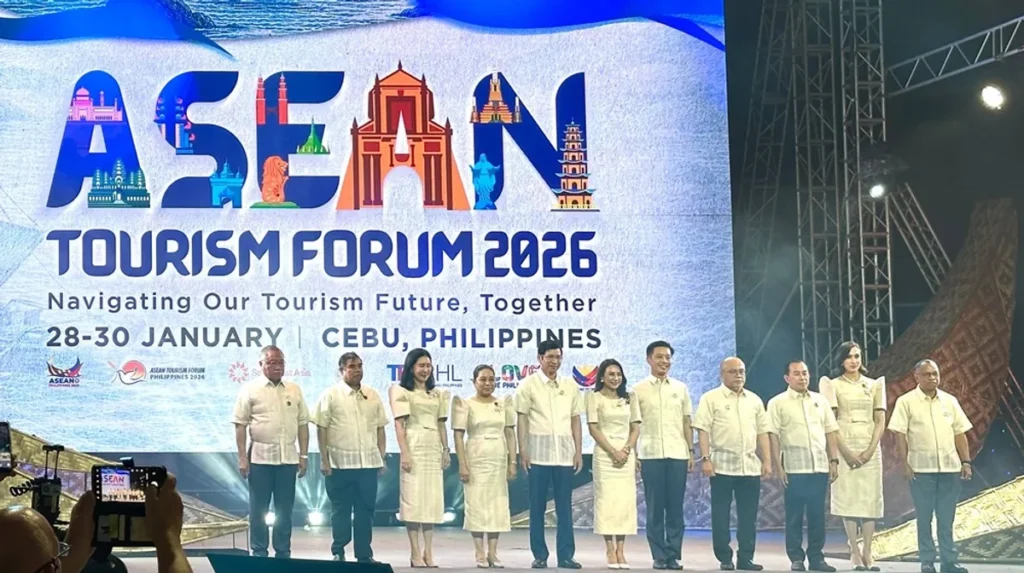
The Philippines is setting a new benchmark for international event hosting. As the nation prepares to welcome delegates for the ASEAN Tourism Forum (ATF) 2026 in Cebu, a quiet revolution in governance and execution is taking center stage.
This is not merely a government-led initiative; it is a textbook case of how public-private partnerships (PPPs) can transform a destination’s global profile. The strategy behind Cebu’s hosting bid demonstrates how private capital, local expertise, and governmental authority can converge to deliver an event that extends far beyond the conference hall.
For industry insiders, the ATF is the most significant annual gathering of Southeast Asian tourism ministers, industry leaders, and international buyers. Winning the bid was the first victory. Delivering a seamless, world-class experience in 2026 will require a unified ecosystem. Here is an expert breakdown of why the PPP model is not just helpful—but essential—for the success of ATF 2026 in Cebu.
The Strategic Framework: Why Cebu Needs More Than Government Budget
Historically, hosting a mega-event like the ATF has been a heavy lift for government coffers. The Philippines, through the Department of Tourism (DOT), has allocated substantial resources. However, the Department of Budget and Management (DBM) emphasizes that sustainable hosting relies on a “shared responsibility model.”
This is where the private sector becomes a true partner, not just a sponsor. The model being adopted for Cebu 2026 reflects a more mature understanding of event economics.
The government provides the regulatory framework, security, and diplomatic backbone, while private entities contribute liquidity, operational efficiency, and technology.
The “Cebu Model” of Co-Investment
The collaborative framework goes beyond simple sponsorship. It includes:
- Infrastructure upgrades – Hotel chains and resorts are renovating facilities to meet international standards, often funded by private capital in exchange for long-term incentives
- Logistics integration – Airlines and transport providers are coordinating with government agencies to streamline airport-to-venue movement
- Digital transformation – Telecommunications firms are upgrading Cebu’s connectivity to support global media coverage and high device density
This is not charity—it is strategic investment. For the private sector, ATF 2026 is a platform to showcase capabilities to Asia’s most influential travel buyers.
Infrastructure and Digital Readiness: The Private Sector Payoff
A critical pillar of ATF success is digital infrastructure. The private sector has begun rolling out 5G upgrades in Cebu City, Mactan Island, and key convention zones. These improvements are directly tied to expected economic returns during and after the event.
Port authorities and logistics firms are also being integrated into planning. While ATF is not cargo-focused, the movement of exhibits, materials, and hospitality supplies requires a highly efficient supply chain.
Case in Point: Convention Venues
Cebu’s hosting strategy relies on multiple satellite venues, including:
- Waterfront Cebu City Hotel & Casino
- SMX Convention Center Cebu
These privately owned venues are investing in upgrades—new sound systems, expanded halls, and accessibility improvements—specifically for ATF 2026.
Instead of a standard rental model, these venues function as co-investors in the event’s success.
Economic Amplification: The Ripple Effect of PPP
Beyond delegate spending, the deeper value lies in capacity building.
Through coordination between the DOT and the Tourism Promotions Board (TPB), Cebu’s MSMEs are being integrated into the event supply chain.
Supporting Local Enterprises
- Culinary contracts – Local restaurants and farmers collaborate to supply event catering
- Uniform production – Cebu designers and textile producers are tapped for official apparel
- Souvenir manufacturing – A “Cebu Creative” consortium of artisans produces locally made delegate items
This ensures the economic benefits extend beyond large corporations into local communities.
Sustainability and Legacy: Not Just a Buzzword
A major pillar of ATF 2026 planning is sustainability. Cebu has committed to a “zero waste to landfill” policy for the event, requiring strong private sector involvement.
The Green Partnership
- Waste management – Real-time segregation and composting systems across venues
- Renewable energy – Solar installations at transport hubs through private utility agreements
- Carbon offsetting – Airline partnerships supporting reforestation programs in Central Visayas
These initiatives are designed to outlast the event itself, embedding sustainability into local infrastructure.
Building the Human Capital Legacy
Another key component of the PPP strategy is workforce development. TESDA, in partnership with private hospitality schools, is training thousands of volunteers in:
- International protocol
- Luxury service standards
- Event crisis management
Private companies are funding training programs in exchange for hiring priority, creating a long-term employment pipeline for Cebu’s hospitality sector.
The Road Ahead: Challenges and Optimism
Despite strong momentum, two key challenges remain:
- Regulatory speed – Permits and approvals must keep pace with private sector investment timelines
- Equity of benefit – Ensuring MSMEs are not sidelined by larger corporate players
If managed effectively, Cebu’s PPP model could become a national and regional benchmark for future mega-events.
Final Perspective
The Philippines is not just preparing to host the ASEAN Tourism Forum 2026—it is building a governance model.
By aligning public authority with private innovation, Cebu is demonstrating how destinations can scale globally without over-relying on state resources alone.
If successful, ATF 2026 will not just be remembered as an event. It will be studied as a blueprint for how Southeast Asia can reimagine tourism event hosting in the next decade.