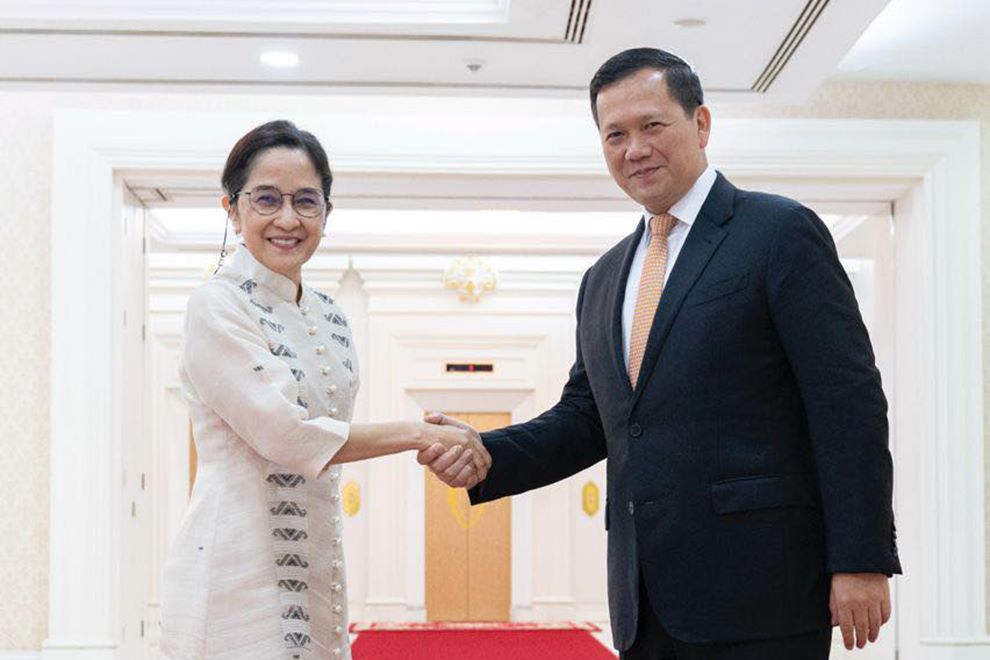
How PM Hun Manet’s Leadership Is Driving Cambodia-Philippines Trade and Investment Growth
The relationship between Cambodia and the Philippines has entered a new chapter under the stewardship of Prime Minister Hun Manet. Since taking office, the Cambodian leader has actively pushed for deeper economic integration with ASEAN neighbors, and the Philippines has emerged as a key partner in this vision. Recent high-level meetings, trade missions, and signed agreements signal a tangible shift from diplomatic pleasantries to concrete commercial results.
From my analysis of the latest bilateral data and policy announcements, the momentum is real. Trade volumes are rising, investment pipelines are expanding, and both governments are aligning their regulatory frameworks to encourage cross-border commerce. This article breaks down the strategic moves, the sectors benefiting most, and what businesses operating in both countries need to know.
Why Cambodia-Philippines Trade Is Suddenly Accelerating
The numbers tell a compelling story. Bilateral trade between Cambodia and the Philippines has climbed steadily over the past 18 months, with a notable spike following PM Hun Manet’s official visit to Manila in early 2024. While exact year-on-year figures vary, the trend is unmistakable: both nations are prioritizing each other as gateways to larger regional markets.
Key drivers include:
- Political alignment: Both countries share a common interest in maintaining ASEAN centrality and avoiding great-power dependency in the region. This creates a favorable environment for bilateral deals.
- Complementary economies: Cambodia’s strength in agriculture, garment manufacturing, and tourism aligns well with the Philippines’ demand for food imports, textiles, and hospitality infrastructure.
- Logistics improvements: Direct flights between Phnom Penh and Manila have increased, and shipping routes are being optimized under new maritime cooperation agreements.
The Role of PM Hun Manet’s Diplomatic Push
PM Hun Manet has made economic diplomacy a cornerstone of his tenure. Unlike previous administrations that often focused on geopolitics, his approach is decidedly transactional and pragmatic. During his state visit to the Philippines, he and President Ferdinand Marcos Jr. witnessed the signing of seven memoranda of understanding covering trade facilitation, agricultural cooperation, cultural exchange, and investment protection.
These are not just symbolic documents. The investment protection agreement, in particular, gives Philippine companies stronger legal guarantees when operating in Cambodia, reducing the risk perception that once held back capital flows. According to the Cambodian Investment Board, inquiries from Philippine firms tripled in the quarter following the visit.
Sectors Where Trade Is Surging
While the overall trade basket is diversified, three sectors stand out as the primary beneficiaries of the strengthened bilateral ties.
Agriculture and Food Security
The Philippines has long struggled with rice production volatility due to typhoons and climate shocks. Cambodia, as a surplus rice producer, has become a reliable alternative source. Cambodian rice exports to the Philippines grew by 34% in the first half of 2024, driven by a new government-to-government procurement arrangement.
Beyond rice, Cambodia is exporting more cashews, pepper, and tropical fruits. In return, Philippine bananas and pineapples are gaining shelf space in Cambodian supermarkets. The two countries are also exploring joint ventures in aquaculture and livestock feed production.
Garments, Textiles, and Manufacturing
Cambodia’s garment sector is the backbone of its economy, but it faces headwinds from rising labor costs and EU trade preference suspensions. The Philippines offers an alternative market for Cambodian-made apparel, especially for high-end brands that want to diversify sourcing away from China.
Simultaneously, Philippine garment manufacturers are looking to Cambodia for cost-competitive subcontracting. Bilateral trade in textiles and footwear increased by 22% in the past year, according to Cambodia’s Ministry of Commerce.
Tourism and Hospitality
Philippine tourists are rediscovering Cambodia. The Kingdom’s Angkor Wat temples, coastal areas in Sihanoukville, and eco-tourism sites are attracting a growing number of Filipino travelers. Direct flights from Manila to Siem Reap now operate daily, and a new route between Cebu and Phnom Penh is under consideration.
On the investment side, Philippine hospitality groups have expressed interest in developing mid-range hotels and resorts in Cambodia, leveraging the latter’s favorable tax incentives for tourism projects.
Investment Flows: From Talk to Deals
The most significant shift under PM Hun Manet is the acceleration of investment in both directions. Historically, Philippine investment in Cambodia was modest, concentrated in retail and food services. Now, the pipeline is expanding into infrastructure, renewable energy, and digital services.
Recent notable investments include:
- A Philippine conglomerate’s $50 million commitment to a solar farm in Kampong Speu province.
- Joint venture between a Cambodian developer and a Philippine construction firm to build a mixed-use complex in Phnom Penh’s riverside district.
- A Philippine fintech company launching mobile payment services in Cambodia, targeting the unbanked population.
Conversely, Cambodian companies are looking at the Philippines as a test market for expansion into the broader ASEAN region. Cambodia’s leading microfinance institution has applied for a license to operate in the Philippines, a move that would mark the first major financial services cross-border entry.
Challenges That Could Slow the Momentum
Despite the positive trajectory, several obstacles remain. Experts point to three key areas that need attention:
Regulatory Harmonization
Customs procedures between the two countries are still not fully aligned. Shipments can face delays due to differing documentation requirements and inspection standards. Both governments have committed to implementing a single-window trade system by 2025, but progress has been slower than expected.
Shipping and Logistics Costs
While direct flights have improved, maritime freight remains expensive and limited. Most container traffic between Cambodia and the Philippines still goes through transshipment hubs in Singapore or Thailand, adding time and cost. Investments in direct shipping routes are essential to sustain trade growth.
Skills and Labor Mobility
Bilateral agreements on labor mobility are still nascent. Philippine professionals in IT, engineering, and healthcare are interested in working in Cambodia, but visa and work permit processes are cumbersome. Similarly, Cambodian workers seeking employment in the Philippines face language and certification barriers.
What’s Next for the Cambodia-Philippines Economic Axis
Looking ahead, I see several milestones that will test the durability of this strengthened relationship. A joint economic commission is scheduled to meet later this year to review the implementation of signed MOUs and set new targets. There is also talk of a bilateral free trade agreement, though negotiations have not formally started.
For businesses, the message is clear: the window of opportunity is open, but it may not stay wide forever. Companies that move quickly to establish partnerships, understand local regulations, and leverage government incentives will be best positioned to capture the upside.
PM Hun Manet’s administration has made it clear that economic diversification and self-reliance are non-negotiable priorities. The Philippines offers a natural partner—large, growing, and strategically located. If both sides continue to execute on their commitments, the next five years could see bilateral trade double, with investment flows becoming a permanent feature of the Cambodia-Philippines relationship rather than a sporadic event.
Key Takeaways for Business Leaders
- Agricultural exporters in Cambodia should target Philippine food processors and government procurement agencies.
- Philippine manufacturers can use Cambodia as a low-cost production base for re-export to other ASEAN markets.
- Investors in renewable energy and infrastructure will find Cambodia’s generous tax holidays and land lease policies attractive.
- Digital and financial services firms from both countries should explore cross-border licensing and partnerships to tap underserved populations.
The Cambodia-Philippines economic partnership is no longer a footnote in ASEAN trade reports. Under PM Hun Manet’s leadership, it is becoming a headline story—one that offers real returns for those who pay attention.