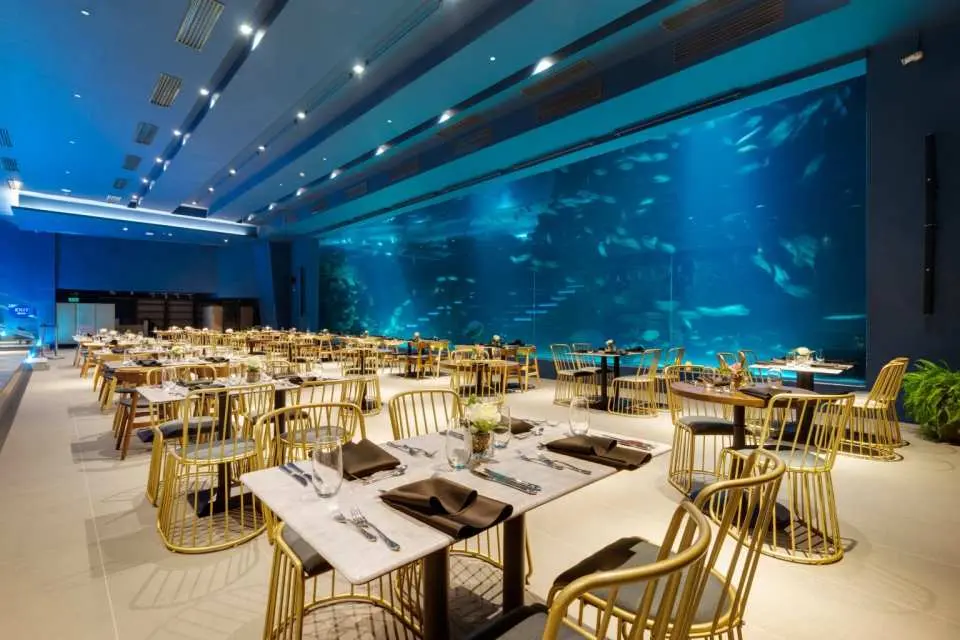
Timor-Leste Prime Minister Visits Cebu City Following ASEAN Summit – Key Takeaways
Diplomatic momentum in Southeast Asia often continues well beyond formal summit halls, and the recent visit by Timor-Leste Prime Minister Xanana Gusmão to Cebu City is a clear example of that continuity. Following the ASEAN Summit, the stop in Cebu signals a deliberate effort to translate high-level regional discussions into practical bilateral engagement with the Philippines.
For analysts of regional integration, trade development, and tourism diplomacy, this visit highlights how emerging ASEAN economies are increasingly using secondary cities—not just capitals—as platforms for cooperation.
Why Cebu Matters in Regional Diplomacy
While Manila is the Philippines’ political center, Cebu functions as a key economic and logistical hub in the Visayas region. Its role in aviation, tourism, and export services makes it a strategic destination for foreign delegations seeking operational insights rather than purely ceremonial engagement.
Key strategic factors behind the Cebu visit include:
- Economic diversification: Cebu hosts a strong mix of BPO industries, manufacturing zones, and service-driven enterprises
- Tourism benchmarking: The province serves as a model for coastal tourism development and island connectivity
- Logistics infrastructure: Cebu’s port and airport systems offer insights into mid-tier regional transport networks
- Cultural alignment: Shared maritime history and strong cultural ties support smoother diplomatic engagement
The Prime Minister’s engagements reportedly included meetings with local officials, site visits to port facilities, and discussions on potential aviation and tourism linkages.
Post-ASEAN Summit Context: Timor-Leste’s Integration Path
Timor-Leste’s participation in ASEAN remains in a transitional phase. Having been granted observer status, the country continues to work toward full membership under a structured roadmap endorsed by ASEAN leaders.
During the summit, discussions around Timor-Leste’s readiness focused on institutional development, economic alignment, and infrastructure capacity.
The Cebu visit can be interpreted as a practical extension of that agenda—demonstrating engagement with existing ASEAN models at a sub-national level.
Key membership benchmarks under discussion:
- Trade and customs harmonization with ASEAN frameworks
- Infrastructure expansion in ports, energy, and digital connectivity
- Strengthening regulatory institutions for investment and governance
Tourism as a Strategic Entry Point
Tourism remains one of the most viable sectors for early-stage regional cooperation between the Philippines and Timor-Leste.
Cebu, in particular, offers a working example of integrated tourism development combining air connectivity, hospitality services, and marine attractions.
Potential areas of collaboration include:
- Direct air connectivity between Cebu and Dili to support tourism and business travel
- Hospitality training exchanges leveraging Cebu’s established tourism education sector
- Marine and eco-tourism development, particularly in diving and coastal conservation
- Cruise and ferry route feasibility studies linking Southeast Asian island destinations
The Prime Minister’s visit to local cultural and commercial sites in Cebu also reflects a broader emphasis on people-to-people diplomacy.
Geopolitical and Economic Significance
Beyond tourism and trade, the visit carries broader geopolitical implications. Timor-Leste occupies a strategic position between Southeast Asia and the Pacific, making its ASEAN integration relevant to regional balance and connectivity.
Engagement with the Philippines—an established ASEAN member with strong international partnerships—suggests a diplomatic approach centered on diversified cooperation rather than alignment with a single external power.
From a regional perspective, this reflects ASEAN’s continued emphasis on flexibility and inclusive economic integration.
Structural Challenges to Integration
Despite diplomatic progress, several practical constraints remain as Timor-Leste advances toward full ASEAN membership.
Key challenges include:
- Limited regional language alignment, particularly English proficiency gaps
- Developing private sector competitiveness for cross-border trade
- Regulatory modernization in investment, land use, and labor systems
- Infrastructure scaling in energy, transport, and digital networks
These structural issues remain central to the membership roadmap and will require sustained reform efforts.
Economic Opportunities for Both Sides
The Cebu visit also highlights emerging economic opportunities between the Philippines and Timor-Leste.
For Philippine stakeholders:
- Potential expansion into Timor-Leste’s early-stage tourism and agriculture sectors
- Opportunities in infrastructure development and renewable energy projects
- Participation in capacity-building and vocational training programs
For Timor-Leste:
- Access to Philippine expertise in tourism management and port operations
- Exposure to regional supply chains through Cebu’s export economy
- Investment partnerships in hospitality and infrastructure development
Conclusion: Subnational Diplomacy in Action
The Timor-Leste Prime Minister’s visit to Cebu City reflects a broader evolution in ASEAN diplomacy—one that increasingly prioritizes practical, city-level engagement alongside formal summit outcomes.
Rather than symbolic diplomacy alone, the visit underscores a working approach to integration: studying operational models, building institutional relationships, and identifying scalable economic partnerships.
For Cebu, the engagement reinforces its role as a regional gateway city. For Timor-Leste, it represents a step toward deeper ASEAN integration through tangible economic and institutional learning.
Ultimately, the significance of this visit lies not in its ceremonial value, but in its contribution to the long-term architecture of Southeast Asian cooperation.