Families Flock to Simala Shrine for Mother’s Day Prayers, Seeking Blessings and Gratitude
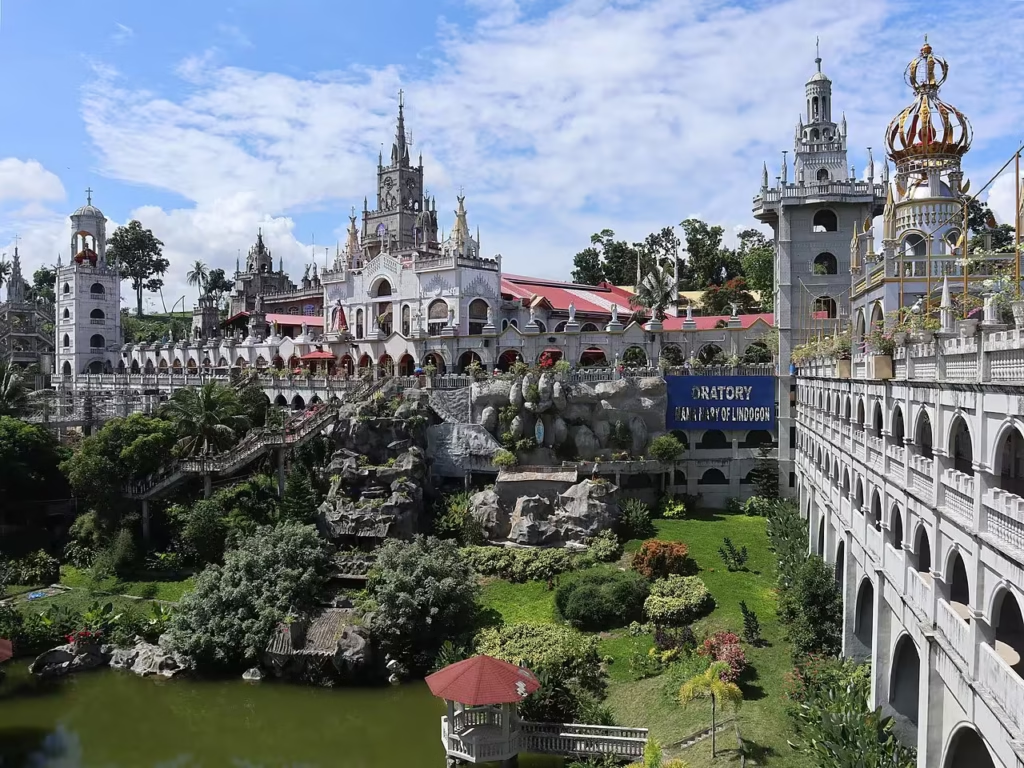
Every year, as Mother’s Day approaches, a quiet but deeply meaningful pilgrimage unfolds at the Simala Shrine in Sibonga, Cebu. This year was no exception. Thousands of families—children holding their mothers’ hands, elderly women supported by their children, and parents carrying infants—made their way up to the Marian hilltop sanctuary. They did not come for commercial celebration, but for prayer, gratitude, and petitions for continued blessings.
As an observer of Filipino religious life, I have seen how this shrine has become a focal point of maternal devotion. The atmosphere this week was both solemn and profound. Incense filled the air, candles flickered across the grounds, and prayers echoed softly through the chapel. At the heart of it all stood the image of the Virgin Mary, Our Lady of Simala—regarded by many devotees as a powerful symbol of maternal love.
The Spiritual Significance of Simala Shrine
To understand why families gather here during Mother’s Day, it is important to understand the shrine itself. Officially known as the Monastery of the Holy Eucharist, it is operated by the Marian Monks of the Eucharistic Adoration. The site became widely known after reports in 1998 that the Virgin Mary image allegedly wept tears of oil—an event that transformed it into one of Cebu’s most visited pilgrimage destinations.
For Filipino Catholics, the Virgin Mary represents the ideal mother: compassionate, protective, and ever-present. Visiting Simala on Mother’s Day is therefore not only devotional, but symbolic—entrusting one’s own mother to Mary’s care while expressing gratitude for maternal love.
Why the Week Before Mother’s Day Draws Crowds
The shrine typically experiences its highest visitor volume in the days leading up to the second Sunday of May. Many families observe a nine-day prayer cycle (novena), culminating on Mother’s Day itself. This year, the monastery adjusted schedules to accommodate the growing number of pilgrims.
Key observations from this year’s gatherings include:
- Early Masses reached full capacity, with many attendees standing outside the chapel
- The prayer garden became a space for written petitions, left at the feet of the Marian statue
- Special blessings for mothers were conducted after Mass, including anointing rituals led by clergy
A Day Marked by Reflection and Gratitude
Unlike commercial Mother’s Day celebrations, Simala’s observance is quiet and reflective. Families sit in prayer across stone floors, rosaries in hand, while candles are lit in steady rows throughout the sanctuary. The mood is deeply personal rather than festive.
Many mothers were visibly emotional during the services, while children assisted in lighting candles and offering prayers. The experience centered less on ceremony and more on shared spiritual reflection.
One longtime devotee, a grandmother from Cebu, shared that she has returned annually for over a decade to pray for her family’s well-being and express gratitude for her children and grandchildren. Her sentiment reflects a broader pattern among pilgrims who view the shrine as a place of thanksgiving and intercession.
Personal Acts of Devotion
The shrine is filled with symbolic offerings known as milagros—small tokens left in gratitude for prayers believed to have been answered. Visitors often attribute personal milestones and recoveries to their faith and continued devotion.
Common expressions of devotion include:
- Families bringing infants for blessings and protection prayers
- Couples offering prayers of gratitude for family stability and health
- Individuals lighting candles for healing, employment, or guidance
Mother’s Day Traditions at Simala
Over time, specific rituals have become associated with Mother’s Day observances at the shrine:
- Offering of roses – White roses for gratitude and purity; red for sacrifice and strength
- Extended candle lighting – Candles lit for prolonged prayer intentions
- Written prayer petitions – Letters addressed to the Virgin Mary placed near the altar
- Blessed devotional items – Rosaries and medals gifted to mothers after Mass
The Role of the Marian Monks
The Marian Monks of the Eucharistic Adoration play an active role throughout the observance, leading prayers, hearing confessions, and offering blessings. Their presence provides structure to the influx of pilgrims, ensuring that services remain orderly despite the large crowds.
Clergy members often provide personal prayer support to families, particularly those facing illness or hardship, reinforcing the pastoral dimension of the pilgrimage experience.
Why This Pilgrimage Resonates
In contrast to commercialized Mother’s Day traditions, Simala Shrine offers a more contemplative environment focused on gratitude and spiritual connection. Families gather not for consumption, but for reflection and shared prayer.
The pilgrimage highlights a central cultural theme: the enduring significance of maternal devotion in Filipino spirituality. Many visitors describe the experience as a way of honoring both their earthly mothers and their faith in divine maternal protection.
As visitors descend the shrine’s long stairways, many carry a shared sense of calm and reflection. The journey itself becomes symbolic—an act of devotion expressed through presence, effort, and prayer.
At Simala Shrine, Mother’s Day is not defined by material celebration, but by remembrance, gratitude, and faith expressed in its most personal form.