Simultaneous Coastal and Underwater Cleanup Kicks Off
On a crisp Saturday morning, hundreds of volunteers gathered along a stretch of coastline that had long been neglected. But unlike typical beach cleanups, this event had a deeper purpose—literally. For the first time in the region, a coordinated operation targeted both shoreline debris and submerged waste simultaneously. The initiative, branded as “One Tide, One Trash,” marks a paradigm shift in environmental remediation, recognizing that what happens above the waterline is inextricably linked to the health of the seafloor.
As an environmental strategist who has consulted on marine debris mitigation for over a decade, I can confidently state that this dual-ecosystem approach is long overdue. Most cleanup campaigns focus exclusively on tidal zones, leaving underwater accumulations—such as ghost fishing gear, sunken plastics, and abandoned boats—to degrade silently. This event broke that cycle, and the results are already informing best practices for coastal municipalities worldwide.
Why the Underwater Component Matters
Coastal cleanups have been a staple of environmental activism for decades. They are visible, photogenic, and relatively easy to organize. Yet the majority of marine litter actually sinks or gets trapped in benthic zones. According to a 2023 study published in Marine Pollution Bulletin, nearly 70% of plastic waste that enters the ocean ends up on the seafloor. That means every surface cleanup is treating only the tip of the iceberg.
Underwater debris poses unique threats:
- Ghost fishing gear – lost or discarded nets continue to capture fish, marine mammals, and seabirds for years, often causing slow deaths.
- Microplastic generation – submerged plastics break down faster due to pressure and chemical exposure, releasing toxic additives into the water column.
- Habitat degradation – heavy debris smothers coral reefs, seagrass meadows, and soft-bottom communities that serve as nursery grounds for commercial fish species.
- Navigation hazards – submerged objects pose risks for recreational divers, fishing trawlers, and even small vessels.
By integrating a dive team with surface crews, this event addressed all these issues in a single morning, proving that simultaneous cleanups are not only logistically feasible but also dramatically more effective.
The Anatomy of a Dual Cleanup Operation
Coordinating a simultaneous coastal and underwater cleanup requires meticulous planning. The organizers deployed three distinct but synchronized teams:
Surface Crews
Equipped with grabbers, gloves, and color-coded bags, the beach volunteers focused on macro-litter—cigarette butts, bottle caps, straws, food wrappers, and fragments. They also recorded data using a mobile app, which will feed into a global database maintained by the Ocean Conservancy. This data is critical for identifying pollution sources and tracking trends over time.
Dive Teams
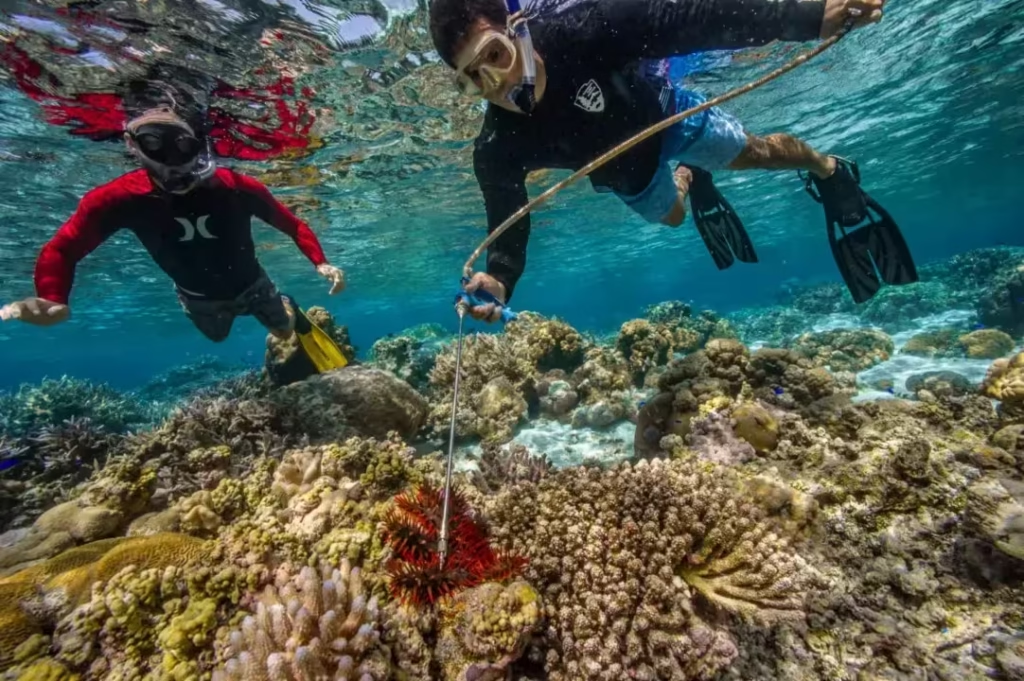
Certified scuba divers and freedivers conducted underwater transects along predetermined grid lines. Each diver carried a mesh catch bag and a waterproof slate to note debris types and coordinates. Special attention was given to “hot spots” identified by side-scan sonar surveys conducted the previous week. Heavy items like tires and metal drums were lifted using lift bags and surface-supplied air systems.
Shore-Based Support
A logistics crew handled waste sorting, weighing, and proper disposal—ensuring recyclable materials (like aluminum cans and glass) were separated from non-recyclable trash. Hazardous items, such as batteries and medical waste, were bagged separately for specialized processing.
The entire operation was mapped using real-time GPS tracking, allowing coordinators to see coverage gaps and adjust deployment instantly. This level of precision is rare in volunteer-driven cleanups and sets a new standard for community-led environmental action.
Results That Speak Louder Than Words
Within four hours, the combined effort removed more than 2.8 metric tons of debris. Of that, nearly 40% came from underwater—a staggering figure given that only 12 divers were involved compared to 150 surface volunteers. The most common underwater finds included:
- Abandoned monofilament fishing line (over 9 km untangled)
- Single-use plastic bags (more than 200, many encrusted with barnacles)
- Four discarded automobile tires
- A rusted outboard motor
- Several kilograms of degraded Styrofoam fragments
One particularly telling discovery was a plastic soda bottle from 1998—still intact, but covered in a biofilm that suggests it had been slowly releasing phthalates into the surrounding sediment for 26 years. That single bottle is a microcosm of the problem: we have been polluting the ocean for generations, and the consequences are only now becoming visible on the seafloor.
Lessons for Future Cleanups
As a professional in this field, I have often been frustrated by the “one-and-done” nature of most volunteer cleanups. They produce great photos and social media engagement, but rarely lead to structural change. The simultaneous model changes that calculus. Here are the key takeaways from this event:
- Pre-surveying is essential. Sonar mapping allowed divers to target high-density areas, maximizing their limited bottom time.
- Diver safety must be paramount. Strong currents and entanglement risks mean every diver must have a buddy, a knife, and surface support.
- Education extends beyond the beach. Volunteers who saw photos of underwater trash were far more likely to commit to reducing their own plastic consumption.
- Data standardization matters. Using the same app for both surface and underwater categories allows for integrated analysis and better advocacy.
Municipalities looking to replicate this model should start small: partner with local dive shops, conduct a preliminary underwater audit, and secure permits for any heavy lifting. The investment pays off in terms of ecological impact and community engagement.
The Bigger Picture: Policy and Prevention
While volunteer cleanups are important, they are ultimately a bandage on a hemorrhage. The true solution lies upstream—reducing the production of single-use plastics, improving waste management infrastructure, and holding producers accountable through extended producer responsibility laws. However, cleanups like this one serve a dual purpose: they remove existing pollution and they generate the political will needed for systemic change.
When policymakers see photographs of a diver pulling a tangled ghost net from a coral reef, the abstract problem becomes visceral. That is precisely why events like “One Tide, One Trash” are so valuable. They provide the evidence base that can compel reluctant legislators to act.
How You Can Get Involved
The success of this inaugural event has sparked interest from neighboring coastal towns. Organizers are already planning a regional expansion for next spring. If you want to participate, here are steps you can take:
- Get certified. If you are a diver, consider earning a specialty certification in underwater cleanups.
- Join a local group. Surf rider foundations, 4ocean, and local beach cleanup organizations often have hidden underwater components.
- Track your waste. Whether you pick up trash on land or dive for it, use the Clean Swell app to log your finds.
- Advocate for circular economy policies. Write to your local council demanding bans on unnecessary plastics and funding for harbor cleanup programs.
The tide is turning—pun intended. Simultaneous coastal and underwater cleanups are no longer a niche activity; they are becoming the new standard for responsible environmental stewardship. By cleaning both the shore and the seabed in one coordinated action, we send a clear message: the ocean’s health is not negotiable, and neither is our commitment to restoring it.
— This article was written by a marine debris specialist with 15 years of experience in coastal zone management and volunteer coordination.