Cebu Earthquake Aftershock Raises Fresh Alarm for Travelers
The picturesque island of Cebu, a jewel in the Philippines’ tourism crown, was jolted back into the headlines recently. Following a significant earthquake, a powerful aftershock has sent fresh waves of concern rippling through the local community and, crucially, among the thousands of travelers who flock to its white-sand beaches and historic sites. This latest seismic event serves as a stark reminder that while paradise is beautiful, it is also dynamic, and preparedness is non-negotiable.
For those with upcoming trips or dreams of visiting destinations like Moalboal, Oslob, or the vibrant streets of Cebu City, understanding the situation is key to making informed and safe travel decisions.
Understanding the Seismic Activity: More Than Just a Tremor
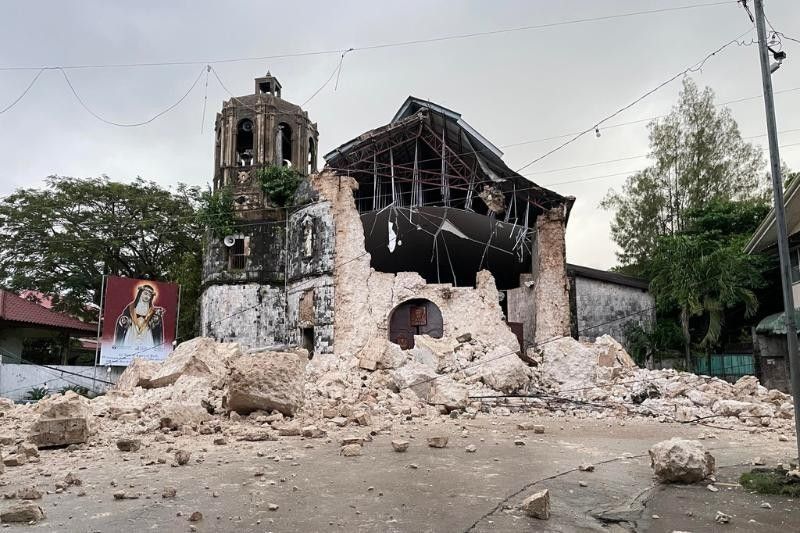
The recent tremors are part of an ongoing seismic sequence. The initial earthquake, which registered a notable magnitude, was centered near the island. While it caused alarm and some reports of damage, the subsequent aftershock—often felt as strongly as the main event by many—has amplified anxieties.
Aftershocks are a normal and expected geological process following a significant earthquake. They occur as the Earth’s crust adjusts and settles into a new state of equilibrium. However, “normal” doesn’t mean they should be ignored. For travelers unfamiliar with the sensation of the ground moving, even a minor aftershock can be a frightening experience and can potentially disrupt infrastructure.
Immediate Impact on Travel and Infrastructure
Initial reports and social media updates from the area highlighted several immediate concerns for visitors:
- Transportation Disruptions: Flights at Mactan-Cebu International Airport (CEB) experienced brief holds and inspections as a standard safety procedure. While operations typically resume quickly, delays can cascade.
- Resort and Hotel Protocols: Many coastal and hilltop resorts immediately enacted their safety protocols, guiding guests to designated assembly areas. This is a standard and reassuring practice.
- Tourist Attractions: Popular sites, especially those involving structures like centuries-old churches in Carcar or Bohol, or adventure activities like canyoneering, may temporarily close for thorough safety assessments.
- Utility Services: Brief interruptions in power, water, or cellular service are possible, though crews work rapidly to restore them.
Traveler’s Guide: Navigating a Trip to Cebu Now
Does this mean you should cancel your Philippine vacation? Not necessarily. It does mean you should travel smart. The situation calls for heightened awareness, not panic. Here’s how to adjust your plans for safety and peace of mind.
Before You Go: The Preparedness Checklist
Preparation is your most valuable travel commodity. Before departing, take these steps:
- Stay Updated: Bookmark reliable local news sources like the Philippine Institute of Volcanology and Seismology (PHIVOLCS) and follow official tourism pages for real-time advisories.
- Communicate with Your Accommodations: Reach out to your hotel or resort. Ask about their earthquake safety protocols, the structural integrity of their buildings, and their contingency plans for guests.
- Review Your Travel Insurance: This is critical. Ensure your policy includes trip interruption and cancellation for natural disasters. Know the process for making a claim.
- Pack a “Go-Bag” Essentials Kit: Include a small flashlight, a power bank, a basic first-aid kit, some cash (small bills), copies of your passport and ID, a bottle of water, and a few protein bars.
On the Ground: Safety During Your Stay
Once in Cebu, integrate these safety habits into your daily routine:
- Identify Safe Zones: As soon as you arrive at your hotel, restaurant, or any new location, mentally note the sturdy tables, interior doorways, or structural columns you could duck under for cover (the “Drop, Cover, and Hold On” method).
- Know Your Exits: Be aware of at least two ways to exit your building and the quickest route to an open, elevated area if you are near the coast (due to the remote tsunami risk).
- Stay Connected: Have local emergency numbers saved on your phone. Inform a family member or friend back home of your daily itinerary.
- Heed Local Advice: If locals or authorities advise against traveling to a specific area or engaging in an activity, listen to them. Their knowledge of the terrain and situation is invaluable.
The Bigger Picture: Traveling in a Dynamic World
The events in Cebu are a microcosm of a broader truth for modern travelers. Our planet is alive and active, from seismic zones to volcanic regions and storm-prone areas. Informed travel is responsible travel. Choosing destinations like Cebu means embracing their full reality—incredible beauty coupled with geological activity.
The tourism industry in Cebu is resilient and experienced. Businesses are generally well-prepared for such events, as they are, unfortunately, a part of life in the archipelago. By visiting, you support the local economy during a time when reassurance is needed. Your presence, coupled with respectful caution, is a vote of confidence in the community’s ability to recover and thrive.
Conclusion: Respect, Prepare, and Explore
The recent aftershock in Cebu is a serious event that demands attention, but it should not be a blanket deterrent. It is a call to action for travelers to elevate their preparedness game. By doing your homework, packing wisely, and staying situationally aware, you can significantly mitigate risks.
Cebu remains a stunning destination filled with warm, welcoming people and unforgettable experiences. The choice to travel there now is a personal one, but it can be made confidently with the right approach. Respect the power of nature, prepare diligently, and then feel empowered to explore the incredible wonders that the island continues to offer. The memories you make will be all the richer for the mindful journey you took to get there.