Cebu Hotels Slash Rates with Major Promos Amid 60% Occupancy Drop
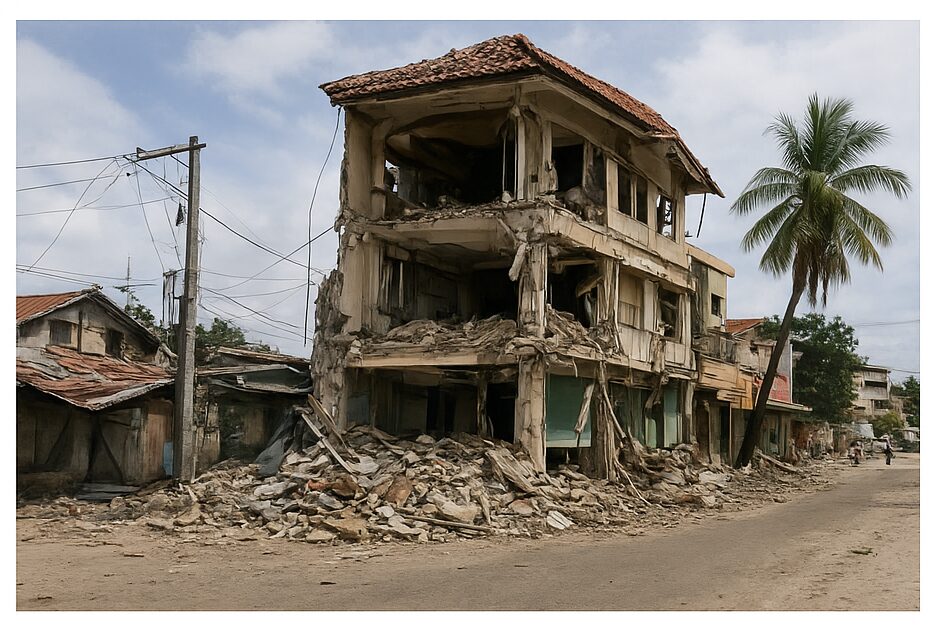
The sun-drenched shores and vibrant city life of Cebu have long made it a premier destination for travelers. However, behind the postcard-perfect scenes, the island’s hospitality sector is navigating a significant challenge. Recent reports indicate a startling 60% drop in hotel occupancy rates, prompting a wave of aggressive price slashing and promotional campaigns as establishments fight to attract guests in a suddenly quiet market.
This dramatic shift presents a critical juncture for both the tourism industry and savvy travelers, creating a window of opportunity unlike any seen in recent years.
Understanding the Occupancy Plunge: A Perfect Storm
The sharp decline in hotel bookings isn’t due to a single factor but rather a confluence of economic and seasonal pressures. Industry analysts point to several key contributors creating this “perfect storm.”
Economic Headwinds and Travel Prioritization
Globally and locally, inflationary pressures have tightened household budgets. The cost of travel essentials—from airfare to daily expenses—has risen, causing many to reconsider or postpone leisure trips. In this climate, discretionary spending on vacations is often the first to be cut, directly impacting destination markets like Cebu.
The End of Peak Season and Seasonal Shifts
Cebu, like many tropical destinations, experiences natural ebbs and flows in tourism. The recent drop coincides with the end of major holiday peaks and the onset of the hotter summer months, which some travelers avoid. Furthermore, the competitive landscape has intensified, with other Southeast Asian nations rolling out their own aggressive tourism campaigns.
Potential Oversupply in the Market
Years of robust growth led to a boom in hotel development across Metro Cebu and popular beach areas. The current downturn has exposed a potential oversupply of rooms, where the number of available beds now outpaces current demand, forcing a market correction through lowered rates.
The Silver Lining: Unprecedented Deals for Travelers
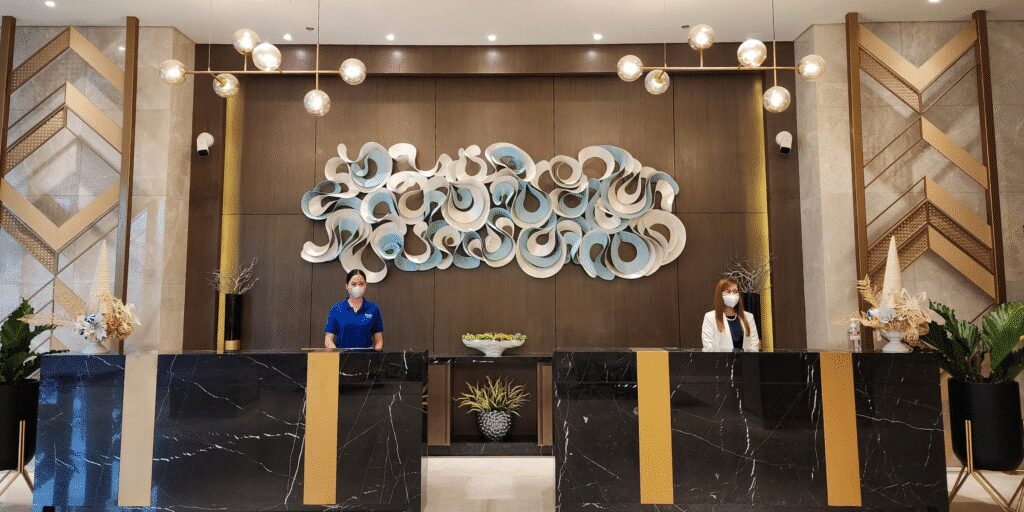
For those with flexible schedules and a desire to explore Cebu, the current climate is a golden opportunity. Hotels are not merely offering small discounts; they are launching all-out promotional wars to fill their rooms. The value proposition for visitors is arguably the best it has been in a decade.
Types of Promotions Flooding the Market
Travelers can expect to encounter a wide array of deals designed to provide maximum value and convenience:
- Drastic Room Rate Cuts: It’s not uncommon to see discounts of 40%, 50%, or even more on published rack rates for both luxury resorts and budget-friendly hotels.
- Value-Added Packages: Beyond just a cheap room, hotels are bundling stays with perks like free breakfast for the entire duration, complimentary airport transfers, spa credits, or food and beverage discounts.
- Extended Stay Promos: To encourage longer visits, properties are offering “Stay 4 Nights, Pay for 3” deals or significant weekly and monthly rates for digital nomads and long-term visitors.
- Strategic Partnerships: Hotels are collaborating with airlines, tour operators, and credit card companies to offer bundled deals, making the entire trip more affordable.
Strategic Implications for Cebu’s Tourism Industry
While great for consumers, this period of deep discounting is a double-edged sword for hoteliers and the broader tourism ecosystem. The strategy carries several long-term implications.
Short-Term Survival vs. Long-Term Value
The primary goal for hotels is immediate cash flow and maintaining a minimal operational baseline. By slashing prices, they aim to cover fixed costs and keep staff employed. However, there’s a risk of devaluing the perceived worth of a Cebu vacation, making it harder to return to standard price points in the future.
A Focus on the Domestic Market
With international flight recoveries still varying, many promotions are strategically targeted at the domestic market. By making staycations and local travel incredibly attractive, hotels are tapping into a resilient segment of travelers, encouraging Filipinos to rediscover the beauty of their own islands.
An Opportunity for Reinvention
This period of low occupancy isn’t just about discounts. Forward-thinking establishments are using the downtime to renovate facilities, upskill staff, and refine their guest experiences. It’s a chance to emerge stronger, offering better service and updated amenities that will justify higher rates when demand rebounds.
Tips for Travelers Capitalizing on the Deals
To make the most of this buyer’s market, travelers should approach their planning with a strategic mindset.
- Be Flexible with Dates: The deepest discounts are often for mid-week stays or during traditionally slower periods. Avoid peak weekends if your goal is the absolute lowest price.
- Book Directly and Inquire: While third-party sites are useful for comparison, often the very best promotions, like exclusive packages or last-minute flash sales, are advertised directly on the hotel’s website or social media pages. Don’t hesitate to call and ask for any unadvertised offers.
- Read the Fine Print: Understand the cancellation policy, what’s included, and any restrictions. A non-refundable rate might be cheaper, but a flexible rate could be worth the slight premium.
- Look Beyond the Room Rate: Evaluate the entire package. A slightly higher rate that includes breakfast, transfers, and a spa treatment may offer far more value than the absolute cheapest room-only option.
- Explore Beyond the Usual Suspects: Consider hotels in emerging areas or newly opened properties eager to build their reputation. You might discover a new favorite while getting an incredible deal.
The Path Forward for the Island of Cebu
The current 60% occupancy drop is a stark reminder of the tourism industry’s volatility. However, Cebu’s intrinsic appeal—its rich history, stunning natural resources, and warm hospitality—remains undiminished. The aggressive promotional phase serves as a necessary reset, allowing the market to adjust and find a new equilibrium.
For the island, the challenge is to balance short-term recovery with sustainable long-term growth. This involves continued marketing to key international markets, enhancing tourist infrastructure, and ensuring that the visitor experience remains top-notch, so that when travelers do return at these discounted rates, they leave as ambassadors, eager to come back.
In the meantime, for the adventurous and cost-conscious traveler, Cebu is rolling out the red carpet at a fraction of the cost. It’s a rare moment where the dream of a tropical island getaway aligns perfectly with unprecedented affordability, making it perhaps the ideal time to answer Cebu’s call.