Soaring Oil Prices Squeeze Cebu’s Tourism and Hospitality Industry
The vibrant island of Cebu, long hailed as the “Queen City of the South” and a crown jewel of Philippine tourism, is facing a formidable headwind. As global oil prices continue their relentless climb, the ripple effects are being felt acutely across the province’s vital tourism and hospitality sector. From tour operators to hoteliers, a collective strain is emerging, threatening to dampen the recovery momentum post-pandemic.
The Direct Hit: Operational Costs Skyrocket
For an island destination where logistics are king, fuel is the lifeblood of the tourism economy. The recent surge in oil prices has triggered a domino effect, directly inflating the operational costs for nearly every player in the industry.
Transportation Turmoil
Tour and transport services are on the front lines. The cost of ferry transfers between islands, scenic countryside tours, and airport pickups has risen significantly. Operators are caught in a difficult bind: absorb the losses and cut into already thin margins, or pass the cost onto tourists and risk losing price-sensitive visitors.
- Van and bus rentals for group tours have increased their rates.
- Boat operators for popular island-hopping trips to Moalboal, Bantayan, or Malapascua are adjusting their pricing.
- Even local tricycle and habal-habal (motorcycle taxi) fares, essential for last-mile travel, are feeling upward pressure.
Hotel and Resort Pressures
Beyond transportation, hospitality establishments are grappling with indirect yet severe impacts. Higher fuel costs translate directly to increased electricity generation expenses, a critical factor for resorts that rely on generators, especially in more remote, off-grid locations. Furthermore, the cost of goods sold is soaring.
- Food and beverage costs are up due to pricier delivery of supplies.
- Linens, toiletries, and other essentials cost more to ship and deliver.
- Overall utility bills are climbing, squeezing operational budgets.
The Tourist’s Dilemma: Shrinking Budgets and Changing Plans
The inflation at the operational level inevitably trickles down to the consumer. Tourists planning a Cebu getaway are now confronted with a more expensive proposition.
Package tours are being revised, and daily vacation budgets are being stretched thinner. This financial pressure can lead to shortened stays, fewer booked activities, or a shift towards more budget-conscious choices. The danger for Cebu is that some travelers may opt for alternative, more affordable destinations altogether, or reduce their overall spending on local experiences, restaurants, and souvenirs—the very economic activities that benefit the wider community.
Adapting to the New Normal: Industry Responses
Faced with this challenge, Cebu’s resilient tourism sector is not standing still. Businesses are getting creative to navigate the crisis.
Strategic Pricing and Value-Adding
Rather than simple price hikes, many are looking to repackage offerings to emphasize value. This might mean creating curated experiences that include multiple activities for a consolidated price, offering longer-stay discounts to ensure occupancy, or bundling transfers with accommodations. The focus is on justifying the cost with an unforgettable experience.
Efficiency Drives and Sustainability Shifts
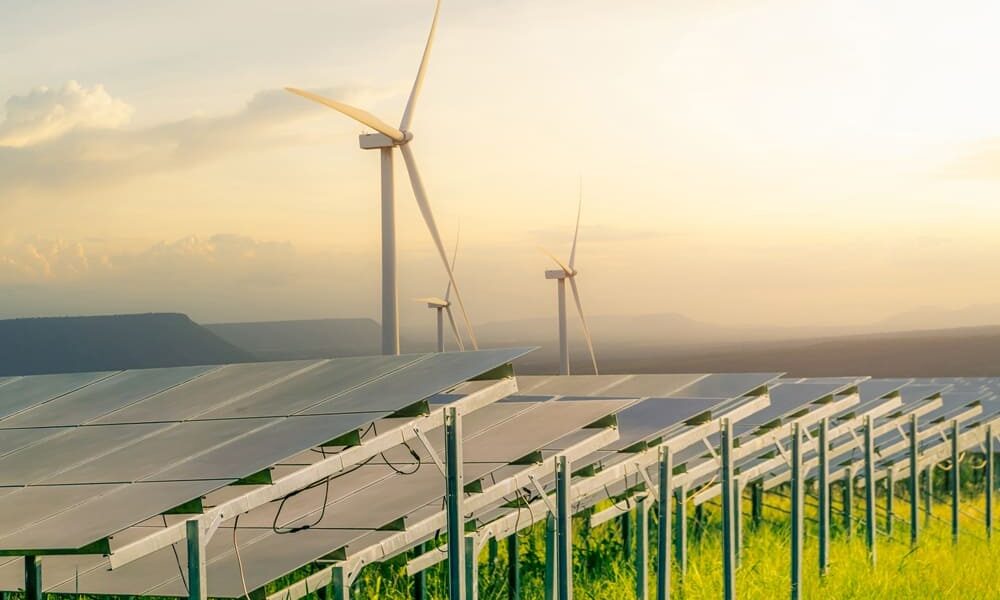
There is a renewed push for operational efficiency. Hotels are investing in energy-saving technologies, optimizing supply chains, and reducing waste. Some tour operators are streamlining routes to maximize fuel efficiency. Interestingly, the fuel crisis is accelerating a pivot towards sustainability—a selling point that resonates with modern travelers. Promoting walking tours, bicycle rentals, and centralized itineraries that minimize travel is becoming both an economic and environmental strategy.
Collaborative Community Efforts
Recognizing that a unified front is stronger, there are calls for sector-wide collaboration. Local tourism boards and business associations can work together to negotiate better group rates for fuel or essential supplies, launch cooperative marketing campaigns highlighting Cebu’s intrinsic value, and develop community-based tourism models that distribute benefits while managing costs.
A Call for Support and a Look Ahead
The situation underscores the vulnerability of tourism-dependent economies to global commodity shocks. While industry adaptation is crucial, supportive measures can provide much-needed relief.
- Government Intervention: Stakeholders are hopeful for targeted assistance, such as temporary fuel subsidies for accredited tourism transport operators or tax breaks on imported equipment for energy efficiency.
- Promoting the “Love Local” Narrative: Encouraging domestic tourism becomes even more important. Campaigns targeting Filipino travelers can help fill the gap, as they may be less affected by international airfare fluctuations and more understanding of local price adjustments.
The soaring oil prices present a significant test for Cebu’s tourism. However, the industry has weathered storms before, including natural disasters and the pandemic. The current crisis may force a necessary evolution—towards greater efficiency, sustainability, and community cohesion. By innovating and focusing on the unparalleled allure of Cebu’s beaches, heritage, and hospitality, the industry can aim to not just survive this squeeze, but emerge leaner and more resilient. The goal remains clear: to ensure that the warmth of the Cebuano welcome is not dimmed by the price at the pump.