Central Visayas Rises as Philippines’ Second Top Renewable Energy Hub
The energy landscape of the Philippines is undergoing a dramatic and green transformation, and at the heart of this change is the Central Visayas region. Long celebrated for its pristine beaches and vibrant cultural festivals, Central Visayas—comprising the provinces of Cebu, Bohol, Negros Oriental, and Siquijor—is now making headlines for a different reason. It has officially cemented its status as the nation’s second-largest hub for renewable energy, trailing only the mighty geothermal fields of Calabarzon. This surge is not just a statistic; it’s a powerful testament to the region’s commitment to a sustainable future and a cleaner grid.
The Engine of Growth: A Diverse Renewable Portfolio
So, what is fueling Central Visayas’ remarkable ascent? The answer lies in a strategic and diverse mix of renewable sources that leverage the region’s unique natural assets. Unlike areas dominated by a single technology, Central Visayas is building a resilient energy portfolio.
Solar Power Shines Bright
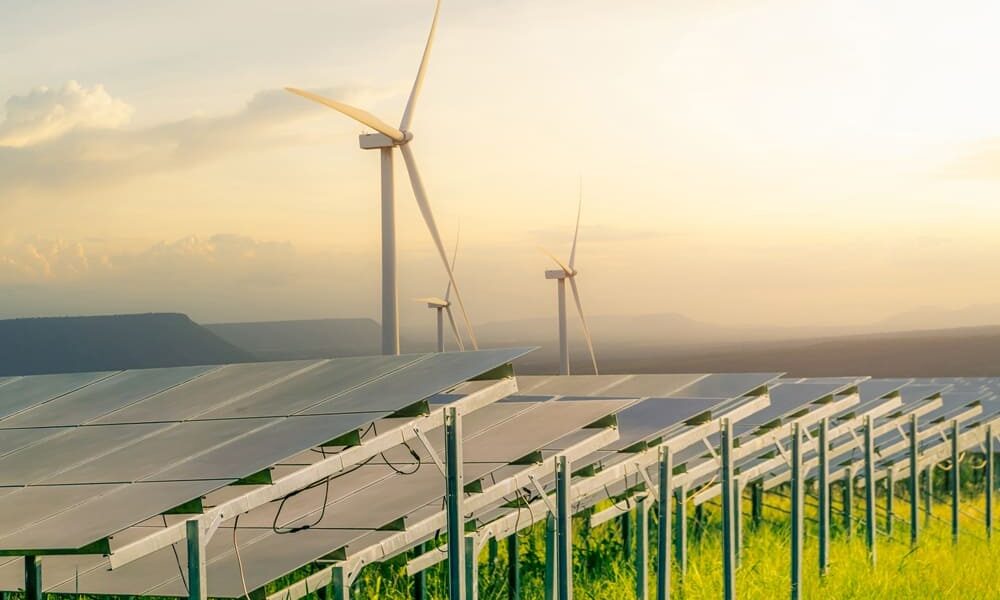
The sun-drenched islands are a natural fit for solar energy. Large-scale solar farms, particularly across the vast plains of Negros Island, have been instrumental in this growth. Projects like the Cadiz Solar Power Plant in Negros Occidental (part of the wider Visayas grid) exemplify the scale of investment. These installations are turning idle land into power-generating assets, contributing significantly to the daytime energy mix and reducing reliance on imported fossil fuels.
Harnessing the Wind
The strong winds that sweep through the Visayan Sea and mountain passes are no longer just a challenge for fishermen but a valuable resource. Wind farms, such as those developed in Nabas, Aklan and Pililla, Rizal (with their power feeding into the grid), demonstrate the potential. While current capacity is growing, the consistent wind patterns in strategic locations across the region present a massive opportunity for future expansion, promising stable power generation even after sunset.
The Steady Force of Hydropower
The region’s rivers and elevation changes provide a perfect setting for run-of-river hydropower plants. These facilities, which have a smaller environmental footprint than large dams, offer a reliable and consistent baseload power. They are the workhorses of the renewable mix, generating electricity around the clock and providing crucial grid stability to complement the variable nature of solar and wind.
Why This Rise Matters: Beyond Megawatts
The significance of Central Visayas becoming a renewable energy leader extends far beyond impressive generation numbers. The impacts are multifaceted and profound.
- Energy Security and Independence: Every megawatt generated from local sun, wind, and water reduces the Philippines’ crippling dependence on imported coal and oil. This shields consumers and businesses from the volatile price swings of the global fossil fuel market and enhances national energy security.
- Economic Development and Jobs: The renewable energy boom is a powerful economic catalyst. It attracts billions in investments, creates high-skilled jobs in construction, engineering, and maintenance, and stimulates local economies. It also makes the region more attractive to businesses seeking stable, clean, and potentially cheaper power.
- Environmental and Climate Leadership: By displacing carbon-intensive coal plants, the region’s renewables are directly cutting greenhouse gas emissions and air pollution. This leads to cleaner air, better public health, and positions the Philippines as a proactive player in the global fight against climate change.
- A Model for the Archipelago: The success story in Central Visayas serves as a blueprint for other regions in the Philippines. It proves that a distributed, renewable-centric energy model is not only feasible but highly advantageous for island grids, promoting resilience and local resource utilization.
Challenges on the Path to a Greener Grid
Despite the remarkable progress, the journey is not without its hurdles. Transitioning to a renewable-dominated grid presents complex technical and infrastructural challenges.
Grid Modernization is Key
Solar and wind power are intermittent—the sun doesn’t always shine, and the wind doesn’t always blow. Integrating these variable resources requires a smarter, more flexible, and resilient grid. Significant investments are needed in:
- Transmission Lines: To transport power from often-remote generation sites (like solar farms) to urban demand centers.
- Energy Storage Systems (ESS): Large-scale battery storage is the critical missing piece. It allows excess solar energy generated at noon to be stored and used at night, smoothing out supply and ensuring reliability.
- Grid Management Technology: Advanced forecasting and control systems are essential to balance supply and demand in real-time.
Policy and Investment Continuity
Sustaining this growth requires unwavering policy support. Clear, long-term regulations, streamlined permitting processes, and innovative financial mechanisms are needed to de-risk projects and attract continuous private capital. The government’s role in facilitating transmission development and ensuring a fair market for renewable power is paramount.
The Future is Bright and Renewable
The rise of Central Visayas as a renewable energy hub is a beacon of hope and a clear signal of the direction the Philippines must take. It showcases the tangible benefits of embracing clean energy: from economic growth and job creation to environmental protection and energy independence.
The path forward is clear. By doubling down on investments in grid modernization, storage technology, and supportive policies, the region can solidify its leadership and potentially even aim for the top spot. The goal is no longer just about adding capacity, but about building a truly intelligent, reliable, and 100% renewable-powered grid for the Visayas.
This transformation turns the natural beauty of Central Visayas—its sun, rivers, and wind—into its most powerful engine for sustainable development. The region is not just preserving its paradise for tourists; it’s building a brighter, cleaner, and more self-sufficient future for all its residents. The green revolution is here, and it’s being powered by the islands of Central Visayas.