Middle East Crisis Slows Central Visayas Tourism in the Philippines
The sun-drenched islands of Central Visayas, home to world-renowned destinations like Cebu, Bohol, and Siquijor, are facing an unexpected economic headwind. While local efforts to boost travel are in full swing, a distant geopolitical conflict is casting a long shadow over the region’s vital tourism industry. The ongoing crisis in the Middle East is causing significant disruptions to international flight routes and traveler confidence, leading to a noticeable slowdown in what is typically a peak season for the Philippines.
For tourism-dependent communities across the Visayas, this external shock is a stark reminder of how interconnected the global travel ecosystem truly is.
The Ripple Effect from Conflict to Coastline
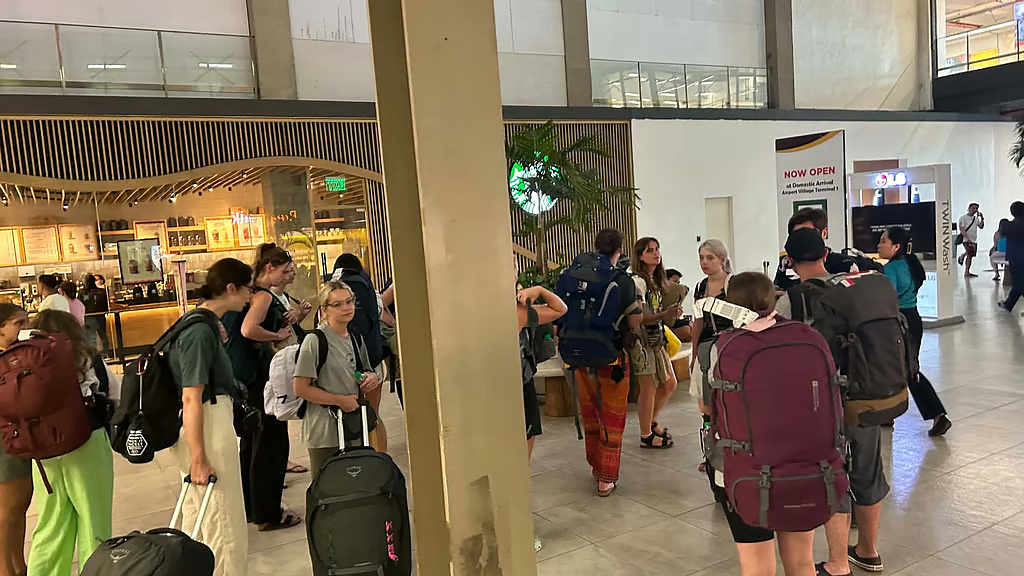
At the heart of the issue are the severe disruptions to global air travel. The closure of key airspaces over the Middle East has forced airlines to reroute long-haul flights from Europe and the Middle East itself, leading to longer flight times, increased operational costs, and scheduling chaos. These complications have a direct trickle-down effect on destinations like the Philippines.
Travelers from key European markets are facing:
- Higher Airfares: Increased fuel consumption and longer routes are driving up ticket prices, making the Philippine journey more expensive.
- Extended Travel Time: What was already a long haul from places like the UK, Germany, or France has become even more arduous, deterring some vacationers.
- Booking Uncertainty: With schedules in flux and the situation volatile, many potential tourists are adopting a “wait-and-see” approach, postponing or canceling travel plans to Southeast Asia altogether.
Furthermore, the crisis has dampened the overall sentiment for long-distance leisure travel. Concerns about regional instability, even far from the conflict zone, make some tourists hesitant to embark on major international trips. The Middle East is a crucial transit hub, and its instability creates a perception of wider travel uncertainty.
Central Visayas Feels the Pinch
The Department of Tourism (DOT) in Central Visayas has been actively reporting positive growth in local and domestic tourism. Initiatives promoting regional travel have seen success. However, these gains are being offset by the decline in foreign arrivals that the region heavily relies on for high-value tourism revenue.
Key Impacts on the Ground:
1. Slower International Arrival Recovery: The region had been on a strong post-pandemic recovery path. The current crisis threatens to stall or reverse that progress, particularly from the European market, which is a major source of tourists for the Visayas’ dive resorts, heritage tours, and beach destinations.
2. Event Cancellations and Lower Bookings: Tour operators and hotels are reporting a wave of inquiries about safety and an increase in cancellations for bookings in the coming months. International conferences and incentive trips, which are lucrative for the MICE (Meetings, Incentives, Conferences, and Exhibitions) sector in Cebu, are also being reconsidered.
3. Strain on Tourism-Dependent Businesses: From the boat operators in Moalboal and Panglao to the guides at the Chocolate Hills and the artisans in Cebu, a decrease in international tourists means lower income. This economic ripple affects a wide network of small and medium enterprises that form the backbone of the local tourism economy.
Local Response and Adaptation Strategies
Faced with this challenge, stakeholders in Central Visayas are not standing still. There is a concerted effort to double down on resilience and adaptation.
The DOT and local tourism offices are pivoting with several strategies:
- Aggressive Promotion in Alternative Markets: While navigating the European downturn, there is a renewed push to attract visitors from geographically closer and more stable markets. This includes ramping up marketing in South Korea, Japan, Taiwan, and Australia, where flight path disruptions are less severe.
- Strengthening the Domestic Tourism Campaign: The successful “Love the Philippines” and regional campaigns are being intensified. Encouraging Filipinos to explore the beauty of Bohol, Cebu, and Negros Oriental helps fill the gap and sustains local businesses.
- Diversifying the Tourism Product: There is a push to market experiences less susceptible to international travel whims. This includes promoting local festivals, culinary tourism, wellness retreats, and workation packages that cater to longer-stay visitors, including digital nomads.
- Enhanced Stakeholder Collaboration: Tourism councils are fostering closer communication between airlines, hotels, tour operators, and local government units to create bundled packages, offer flexible booking policies, and share real-time information to manage traveler concerns.
A Call for Resilience and Strategic Foresight
The current situation underscores a critical lesson for tourism-dependent regions: global vulnerabilities can quickly become local economic challenges. The Middle East crisis is a forceful example of an external shock that no amount of local beautification or marketing can directly control.
This period is prompting a necessary conversation about building a more resilient tourism model for Central Visayas. Key to this is:
Market Diversification: Over-reliance on any single geographic market is risky. A balanced portfolio of source markets can buffer the industry against regional crises.
Product Development: Investing in a wider array of tourism offerings—from eco-adventure and cultural immersion to health and education tourism—attracts different traveler segments and spreads risk.
Infrastructure Support: Advocating for more direct flight connections from a variety of regions can reduce dependency on single air traffic corridors.
Looking Ahead
The white-sand beaches and vibrant coral reefs of Central Visayas haven’t lost their allure. The region’s inherent appeal remains its greatest asset. While the geopolitical climate has presented a formidable challenge, it has also ignited a proactive response from the Philippine tourism sector.
The path forward involves navigating the current headwinds with tactical promotions and a steadfast commitment to the domestic market, while simultaneously laying the groundwork for a more robust and diversified international comeback. The goal is clear: to ensure that when global skies become friendlier, Central Visayas is ready, not just to recover, but to soar to new heights, more resilient than before. The spirit of Filipino hospitality, famous worldwide, now faces a test of adaptability, and the islands are rising to meet it.