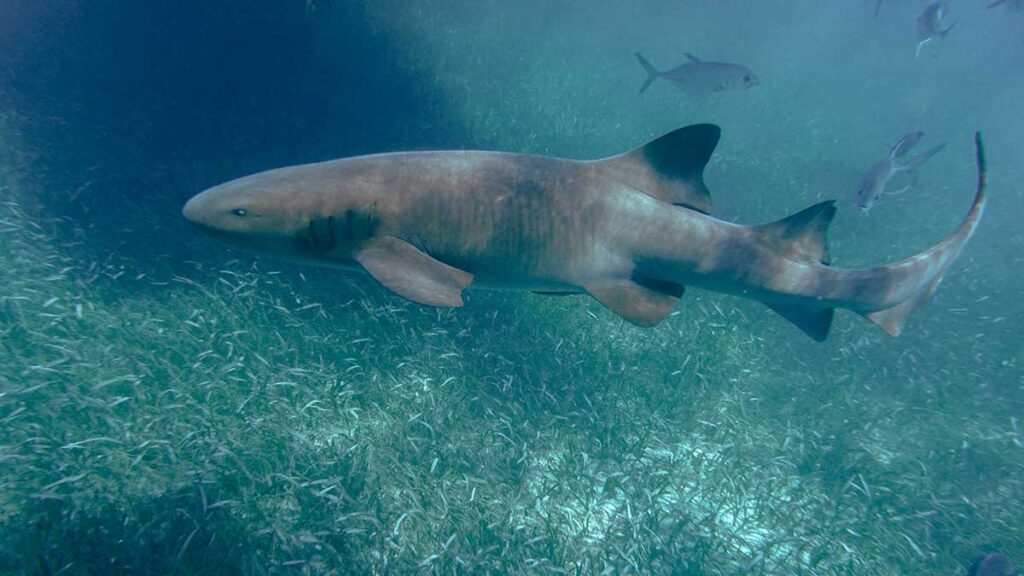
A School of Harmless Sharks Thrives in Samboan’s Coastal Waters
The turquoise waters lapping at the shores of Samboan, a quaint municipality in southern Cebu, Philippines, hold a secret that is both thrilling and serene. Here, far from the dramatic narratives of open-ocean predators, a gentle phenomenon unfolds daily. A thriving, resident school of whitetip reef sharks has made the coastal waters its home, offering a rare and accessible window into the peaceful life of these often-misunderstood creatures. This isn’t a scene from a remote atoll; it’s a testament to a community’s relationship with its marine environment, creating a unique ecotourism gem where humans and sharks coexist in harmony.
Meet the Gentle Residents of Samboan
The stars of this aquatic show are the whitetip reef sharks (*Triaenodon obesus*). Unlike their more famous cousins, these sharks are a model of oceanic calm. Characterized by their slender bodies, distinctive white markings on their dorsal and tail fins, and a pronounced ability to rest motionless on the seafloor, they are the quintessential reef dwellers.
Why “Harmless”?
It’s crucial to understand what makes this school so special for human interaction. Whitetip reef sharks are:
- Naturally docile: They have a shy and non-aggressive temperament. Their primary diet consists of small reef fish, octopuses, and crustaceans, posing no threat to humans.
- Slender and maneuverable: Built for weaving through complex coral structures rather than open-water speed, they are curious but cautious around divers and snorkelers.
- Local celebrities, not transients: This isn’t a passing group; it’s a resident population. The sharks have become accustomed to the respectful presence of people, allowing for consistent and predictable encounters that are safe for both parties.
This resident behavior is the cornerstone of Samboan’s success, transforming a natural occurrence into a sustainable attraction.
The Samboan Model: Coexistence and Conservation
The presence of a thriving shark population so close to shore is a powerful ecological indicator. Sharks, as apex predators, are vital for healthy oceans. Their presence signifies a balanced and robust marine ecosystem. Samboan’s community has recognized this not just as a biological fact, but as a shared responsibility and opportunity.
Local stewardship plays a monumental role. Fishermen in the area have long practiced a policy of non-interference with the sharks. They are not seen as competition or danger but as part of the local seascape. This cultural acceptance has been pivotal in allowing the school to flourish. Furthermore, the growth of regulated, community-aware tourism ensures that interactions are conducted with minimal impact, preventing the stress or disruption that can occur in less managed environments.
A Blueprint for Sustainable Ecotourism
Samboan offers a masterclass in how to develop wildlife tourism correctly:
- Community-Led: Benefits from tourism flow back to local guides, boat operators, and businesses, creating a direct economic incentive to protect the sharks and their habitat.
- Education-Focused: Encounters are framed as educational experiences. Guides emphasize the sharks’ role in the ecosystem, dispelling myths and fostering a deeper appreciation.
- Regulation and Respect: Rules are in place to ensure responsible interaction—no touching, no feeding, and maintaining a calm, non-threatening presence in the water.
This model proves that economic development and marine conservation are not mutually exclusive but can be powerfully synergistic.
What to Expect on a Samboan Shark Encounter
For travelers and marine enthusiasts, a visit to Samboan’s shark sanctuary is an accessible and unforgettable experience. Typically, the activity involves a short boat ride from the mainland to the sheltered area where the sharks congregate.
In the Water with Whitetips
As you slip into the clear, warm water, you’ll likely see them resting on sandy patches or gliding effortlessly between coral bommies. They move with a graceful, undulating motion. Snorkelers can observe from the surface, while freedivers and scuba divers can enjoy a closer look at their eye level. The sharks may approach out of curiosity, their sleek forms cutting through the beams of sunlight, before turning away with a flick of their tail. The experience is one of awe and tranquility, a world away from adrenaline-fueled shark drama.
It’s a powerful reminder that in their domain, we are visitors. Our quiet observation is rewarded with an intimate glimpse into their daily lives—a privilege that Samboan has carefully preserved.
Beyond the Sharks: A Ripple Effect of Protection
The focus on the whitetip reef sharks has created a positive ripple effect throughout Samboan’s marine environment. The designation of the area as a key site for protection helps safeguard the entire reef system. Healthy shark populations mean balanced fish communities, which in turn leads to vibrant and resilient coral reefs. This “halo effect” of conservation benefits countless other species, from colorful reef fish and turtles to the intricate invertebrates that build the coral itself.
The story of Samboan’s sharks is ultimately a story of hope. It demonstrates that with community understanding, respectful tourism practices, and a commitment to preservation, humans and wildlife can share a coastline productively. It challenges the monolithic fear of sharks and replaces it with knowledge, respect, and wonder.
Planning Your Visit: A Call for Responsible Tourism
If you are inspired to witness this harmony firsthand, remember that you are participating in a delicate balance. Choose local, accredited guides who follow best practices. Be a model visitor in the water: move slowly, avoid sudden gestures, and never attempt to touch or chase the sharks. Your passive observation is the greatest compliment you can pay them.
The school of harmless sharks in Samboan is more than just an attraction; it’s a living symbol. It symbolizes a community’s wisdom, the ocean’s resilience, and the beautiful possibility of coexistence. In their peaceful presence, we find a compelling blueprint for the future of our relationship with the natural world—one based on observation, not domination, and on shared prosperity for both people and planet.