Unlocking the Visayas: The Philippines’ New Frontier for Oil and Gas Exploration
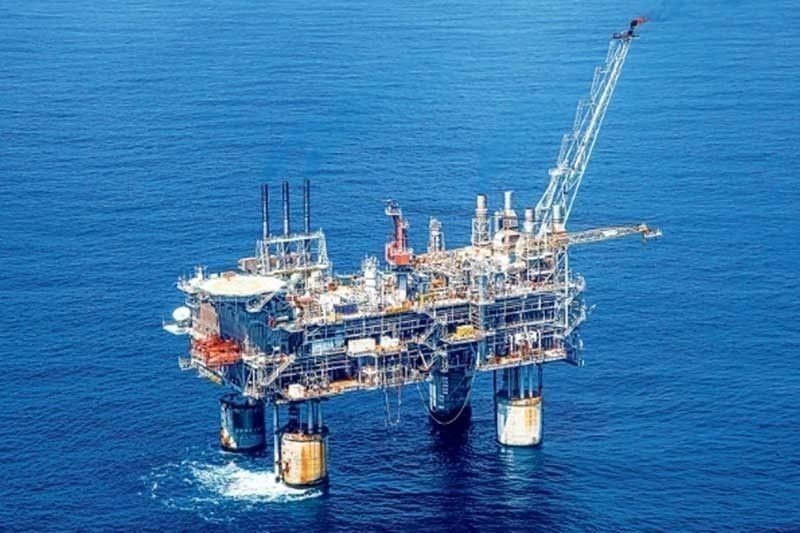
For decades, the narrative of Philippine energy security has been dominated by the natural gas fields off Palawan. The Malampaya Deep Water Gas-to-Power Project has been the nation’s workhorse, supplying a significant portion of Luzon’s electricity needs. However, with Malampaya’s reserves projected to decline in the coming years, a pressing question looms: where will the Philippines find its next major energy source? The answer, according to a wave of new government and industry activity, may lie in the heart of the archipelago—the Visayas region.
The Visayan Sea and its surrounding basins are rapidly emerging as the country’s most promising new frontier for oil and gas exploration. This strategic shift is not just hopeful speculation; it is being driven by renewed geological surveys, fresh data, and a concerted push by the Department of Energy (DOE) to attract investment into these underexplored areas. Unlocking the Visayas could redefine the nation’s energy map and bolster its quest for resource independence.
Beyond Malampaya: The Urgent Need for New Discoveries
The Malampaya gas field has been a national success story, but its finite nature is a well-understood reality. As production gradually decreases, the Philippines faces a dual challenge: securing a stable baseload power supply and managing the rising costs of imported fuel. The country’s growing economy demands more energy, and reliance on volatile global markets for coal and liquefied natural gas (LNG) poses both economic and security risks.
This context makes the exploration of domestic resources more critical than ever. The government’s focus has pivoted towards identifying “frontier” areas with high potential. The Visayan basins, particularly the West Luzon Basin (extending into the northern Visayas), the Cebu Basin, and the Tañon Strait, have come into sharp focus. Recent assessments suggest these areas possess geological structures analogous to productive regions elsewhere in Southeast Asia, holding the promise of substantial hydrocarbon deposits.
Why the Visayas? Geology, Strategy, and Infrastructure
The rising interest in the Visayas is grounded in several key advantages:
Promising Geological Formations
Advanced seismic surveys and modern geological studies have identified sedimentary basins in the Visayan Sea with the right conditions for oil and gas generation and trapping. These basins have been historically underexplored due to past technological limitations and the earlier focus on Palawan. New data is revealing structures that warrant drilling.
Strategic Central Location
A discovery in the Visayas would be a logistical game-changer. Located at the center of the Philippine archipelago, resources developed here could be efficiently supplied to:
- Power plants in the Visayas grid, which is increasingly interconnected.
- The massive Luzon grid via existing and planned interconnections.
- Mindanao, enhancing nationwide energy security and grid stability.
This central position could significantly reduce transmission costs and losses compared to sourcing gas from a single, remote location like Malampaya.
Existing and Planned Energy Infrastructure
The Visayas is already home to several power generation hubs and is seeing a surge in new energy projects, including LNG import terminals. The presence of this infrastructure creates a ready market for any discovered gas, facilitating faster commercialization. Gas-fired power is seen as a crucial partner for the integration of more renewable energy, providing reliable backup.
The Government’s Push: Contracts and Investor Confidence
The DOE has been actively promoting the Visayan basins under the Philippine Energy Contracting Round (PECR). By offering service contracts in these areas, the government aims to de-risk exploration for international and local companies. The message is clear: the Philippines is open for business in energy exploration, with a clear regulatory framework and attractive fiscal terms.
Recent reports highlight the awarding of new exploration permits and the keen interest from a mix of established and new players. This influx of activity suggests growing investor confidence in the region’s potential. The government’s role in facilitating seismic data gathering and making it available to contractors has been a critical step in lowering the initial barrier to entry.
Navigating Challenges: Environment and Community
The path to exploration in the Visayas is not without its significant challenges. The region is renowned for its rich marine biodiversity, vibrant fishing industries, and thriving tourism. Any exploration and future development activity must navigate a complex landscape of environmental and social considerations.
Strict environmental compliance and world-class safety standards will be non-negotiable. Companies will need to engage in thorough and transparent stakeholder consultations with local governments, fisherfolk, and communities. The model for success will be one that balances resource development with ecological protection and inclusive growth, ensuring that local communities benefit from any discoveries through jobs, social programs, and local revenue.
A Vision for the Future: Energy Security and Regional Development
The unlocking of the Visayas for oil and gas exploration represents more than just a search for new fuel sources. It embodies a broader vision for Philippine energy and economic development.
A major discovery could:
- Provide a new, indigenous source of clean-burning natural gas to power the nation for decades.
- Attract billions of dollars in foreign direct investment into the region.
- Create thousands of high-skilled jobs and stimulate ancillary industries.
- Catalyze further infrastructure development in the Visayas, from ports to power plants.
- Strengthen the Philippines’ strategic position in the regional energy landscape.
While exploration is inherently risky, and not every well will be a success, the concerted effort in the Visayas marks a proactive and strategic chapter in the nation’s energy story. It moves the conversation from reliance on a single field to a diversified, multi-basin strategy for energy security.
The journey to unlock the Visayas is just beginning. As seismic vessels map the seabed and drill bits prepare to turn, the entire nation watches with anticipation. The potential rewards—a self-sufficient energy future, economic upliftment for the central Philippines, and a more resilient power grid—make this new frontier one of the most compelling narratives in the country’s development. The next chapter of Philippine energy may well be written not on its western edge, but at its very heart.