Guernsey’s coastline is dotted with stone watchtowers, historic fortifications built to protect the island from invaders and monitor coastal activity. These towers offer visitors a unique glimpse into Guernsey’s strategic history while providing scenic viewpoints of the surrounding coastline. For travelers following the Guernsey travel guide, stone watchtowers represent an important part of the island’s cultural and military heritage.
Historical Significance
Stone watchtowers were constructed during different periods of Guernsey’s history, particularly during times of military threat. They served as lookout points to detect approaching ships and alert local communities of potential danger. These towers played a key role in the island’s coastal defense system, helping to safeguard settlements, harbors, and trade routes. Visitors to these historic structures can appreciate their strategic importance and learn about the island’s defensive measures across centuries.
Architectural Features
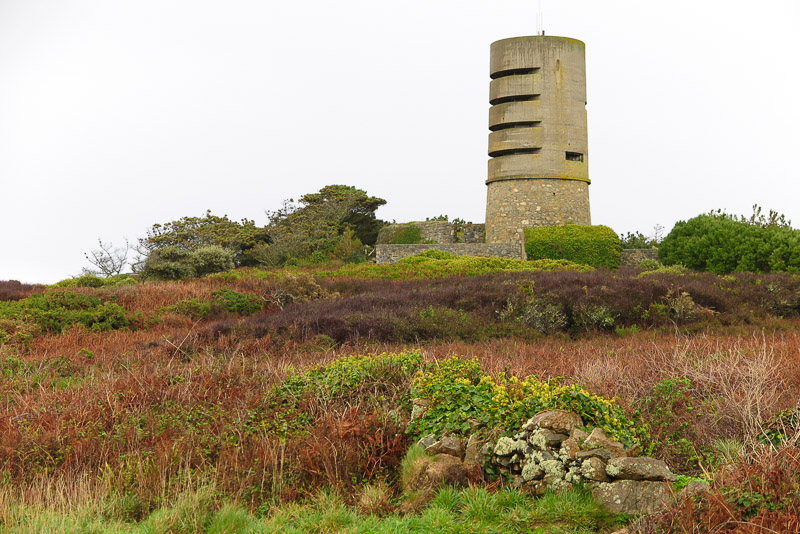
The design of Guernsey’s stone watchtowers reflects practical military engineering. Typically circular or square in shape, these towers were built with thick stone walls to withstand attacks and harsh coastal weather. Narrow windows or slits allowed guards to observe the sea while remaining protected. Many watchtowers are situated on elevated cliffs or hills, giving them commanding views of the surrounding coastline. The combination of durability, functionality, and strategic placement highlights the ingenuity of historical builders.
Cultural and Historical Importance
Stone watchtowers are not only military structures but also cultural landmarks that illustrate the island’s history of vigilance and community defense. They provide insight into the challenges faced by past generations and the measures taken to secure Guernsey against external threats. Archaeologists and historians study these towers to understand settlement patterns, military strategies, and the daily lives of those who manned them. For visitors, the towers offer a tangible connection to the island’s historical narrative.
Scenic Surroundings
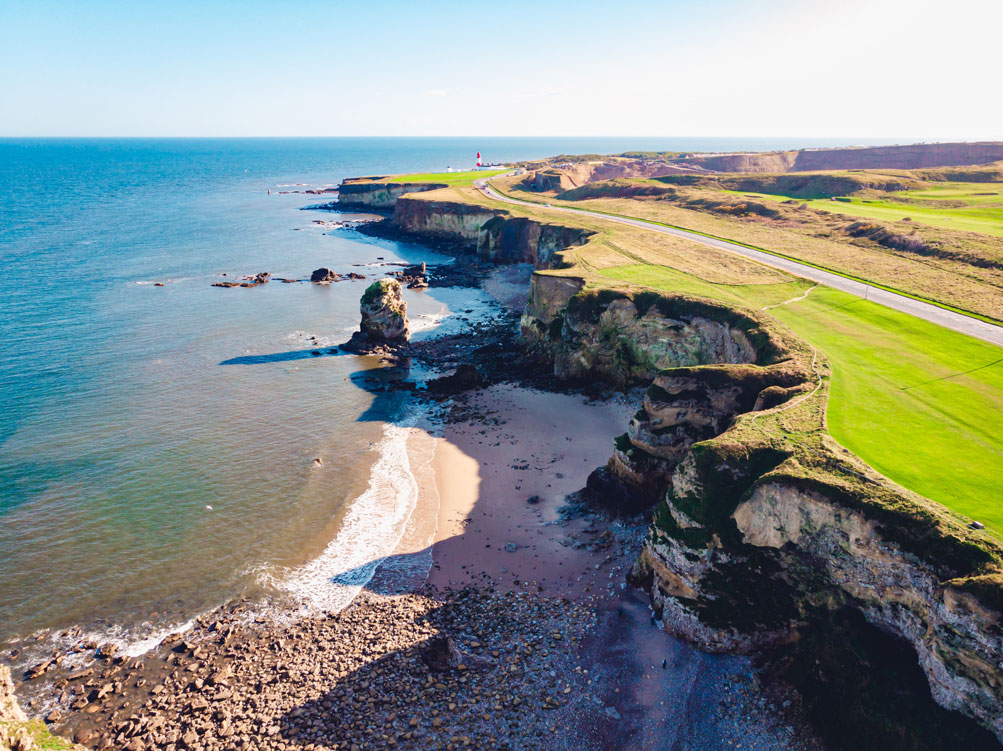
Many stone watchtowers are located in areas of outstanding natural beauty. Positioned on cliffs, headlands, or coastal paths, the towers provide panoramic views of the Atlantic Ocean, nearby beaches, and rural landscapes. The juxtaposition of rugged stone architecture against the natural scenery creates visually striking viewpoints, ideal for photography, sketching, or quiet reflection. These scenic settings enhance the visitor experience, combining history with the island’s coastal charm.
Walking Trails and Exploration
Several walking trails connect stone watchtowers to other historical sites and natural landmarks. These paths allow visitors to explore Guernsey’s coastline while discovering its defensive heritage. Walking around the towers and along coastal trails provides opportunities to observe local wildlife, enjoy fresh sea air, and appreciate the strategic locations of these fortifications. The trails vary in difficulty, offering options for both casual walkers and experienced hikers.
Visitor Experience
Visiting stone watchtowers is both educational and immersive. Information boards or local guides provide context about the construction, historical use, and significance of the towers. Travelers can explore the interior of some towers, climb to the top for a panoramic view, or simply admire the exterior architecture while imagining the lives of guards and soldiers who once stood watch. Families, solo travelers, and history enthusiasts all benefit from the combination of historical insight and scenic enjoyment.
Accessibility and Travel Tips
Stone watchtowers are accessible by car, bicycle, or on foot, depending on their location. Some towers are situated along coastal paths or in remote areas, so visitors should wear comfortable footwear suitable for uneven terrain. Early morning or late afternoon visits provide the best lighting for photography and often fewer crowds. For planning guidance and suggested itineraries, the Guernsey travel guide offers detailed information to optimize your visit to these historic coastal sites.
Nearby Attractions
Stone watchtowers are often located near other historic landmarks, beaches, and scenic viewpoints. Travelers can combine visits to multiple towers with exploration of nearby fortifications, natural trails, and coastal villages. This allows for a comprehensive experience of Guernsey’s history, culture, and natural beauty in a single day. The proximity of these towers to other points of interest makes them an essential part of any Guernsey itinerary.
Final Thoughts
Guernsey’s stone watchtowers offer a fascinating insight into the island’s coastal defense history. Their durable construction, strategic placement, and scenic surroundings make them a must-visit for history enthusiasts and travelers alike. Exploring these towers allows visitors to connect with the island’s past, appreciate the ingenuity of historical architecture, and enjoy panoramic views of Guernsey’s stunning coastline.
Including stone watchtowers in your travel plans ensures a memorable and educational experience, combining history, culture, and natural beauty in one visit.