United Airlines Expands 737 MAX 8 Routes to Tokyo, Guam, and Cebu
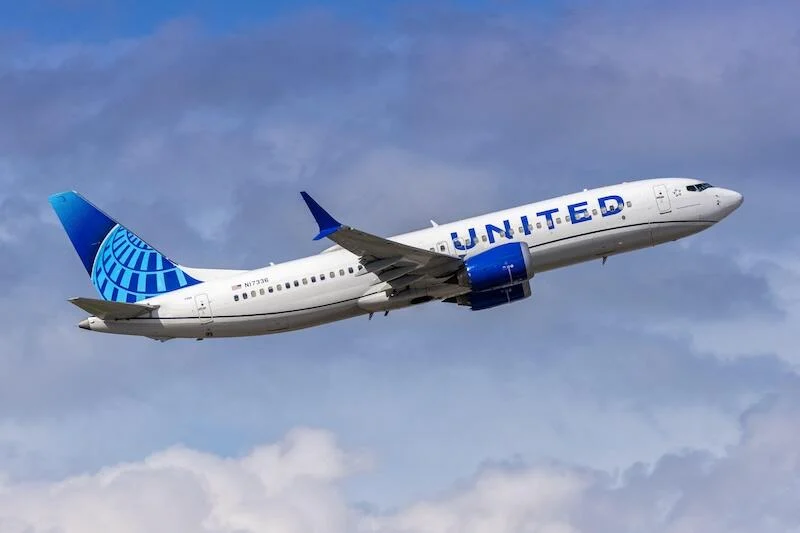
United Airlines is strategically deploying its modern 737 MAX 8 fleet across the Pacific, announcing a significant expansion of service to key destinations in Asia and the Pacific Islands. In a move that underscores the carrier’s commitment to growth and operational efficiency, United will introduce the fuel-efficient aircraft on routes from its San Francisco International Airport (SFO) hub to Tokyo’s Narita International Airport (NRT), Guam’s Antonio B. Won Pat International Airport (GUM), and Cebu’s Mactan–Cebu International Airport (CEB). This expansion not only boosts connectivity but also enhances the passenger experience with the latest in aviation technology.
A Strategic Fleet Deployment for Enhanced Connectivity
United’s decision to utilize the 737 MAX 8 on these specific routes is a calculated one, blending market demand with operational advantages. The aircraft’s impressive range and superior fuel efficiency make it an ideal candidate for medium-haul international routes, allowing United to serve these markets effectively while managing costs. This expansion is part of a broader strategy to modernize its fleet and optimize its network, ensuring it remains competitive in the dynamic transpacific travel market.
The newly confirmed routes include:
- San Francisco (SFO) to Tokyo-Narita (NRT): A premier business and leisure route that will see the 737 MAX 8 offer a modern and efficient option for travelers to Japan’s bustling capital region.
- San Francisco (SFO) to Guam (GUM): A vital link for both tourism and the substantial military and government traffic to and from the U.S. territory in the Western Pacific.
- San Francisco (SFO) to Cebu (CEB): A direct connection to the Philippines’ second-largest metropolitan area and a growing tourism and business hub, bypassing the need to connect through Manila.
The 737 MAX 8 Advantage: Efficiency Meets Passenger Comfort
The Boeing 737 MAX 8 is more than just a new airplane; it represents a leap forward in single-aisle aircraft technology. For United Airlines, its deployment on these routes brings tangible benefits for both the company and its customers.
Operational and Environmental Benefits
For the airline, the MAX 8’s primary draw is its exceptional fuel efficiency. The aircraft incorporates advanced CFM International LEAP-1B engines and aerodynamic improvements like distinctive split-tip winglets. This configuration reduces fuel consumption and carbon emissions by up to 20% compared to the previous-generation 737s it replaces. On competitive long-haul routes, this efficiency is a crucial factor in maintaining profitability and advancing United’s sustainability goals.
A Superior Cabin Experience
For passengers, flying on United’s 737 MAX 8 means a noticeably improved journey. The cabin is designed to feel more spacious and modern, featuring:
- United’s Signature Interior: With larger, pivoting overhead bins that accommodate more roll-aboard bags and sleek LED lighting that enhances the ambiance.
- Enhanced In-Flight Entertainment: Every seatback offers a high-definition touchscreen with a vast library of movies, TV shows, music, and games, alongside free mobile messaging.
- Comfortable Seating: The aircraft is configured with United First, Economy Plus, and United Economy. First Class offers a premium experience with 16 recliner-style seats, while all cabins benefit from a quieter ride due to the aircraft’s advanced engine technology.
Market Impact and Competitive Landscape
This route expansion signals United’s confidence in the rebound and growth of transpacific travel. By placing the efficient MAX 8 on these routes, United can offer competitive frequencies and pricing.
- On the Tokyo Route: The MAX 8 service complements United’s existing wide-body services to both Narita and Haneda, providing schedule flexibility and a right-sized aircraft for certain demand periods, potentially challenging competitors on the SFO-NRT corridor.
- In the Guam Market: As a major carrier to the island, United reinforces its commitment to this market. The MAX 8’s efficiency could support sustained or even increased service levels, solidifying its market leadership against other airlines serving Guam from the U.S. mainland.
- For Cebu Service: This move is particularly strategic. Direct service to Cebu from a major U.S. West Coast hub like San Francisco caters to the large Filipino diaspora and growing tourist interest in destinations beyond Manila. It positions United uniquely against other carriers that primarily focus on the capital.
Looking Ahead: United’s Pacific Vision
The deployment of the 737 MAX 8 to Tokyo, Guam, and Cebu is not an isolated event. It is a clear component of United’s aggressive growth strategy under its “United Next” vision, which centers on a massive fleet renewal and network expansion. The airline has one of the largest orders for Boeing 737 MAX and Airbus A321neo aircraft in the world, and this Pacific expansion is an early indicator of how these planes will be utilized.
This strategy suggests a future where United can:
- Open new, thinner long-haul routes that were previously not economically viable with larger wide-body aircraft.
- Increase frequencies on existing routes to offer customers more choice and convenient scheduling.
- Maintain a strong competitive edge through lower operating costs, which can be reinvested into the customer experience or passed on as value.
For travelers, this expansion means more options, a more comfortable and connected flying experience, and the confidence that comes with flying on one of the most modern aircraft in the sky. As United continues to integrate the 737 MAX 8 across its network, passengers can expect further announcements of enhanced service to destinations around the globe.
The launch dates for these specific 737 MAX 8 services will be eagerly awaited by travelers planning their trips across the Pacific. With this move, United Airlines is not just flying to new places; it’s charting a more efficient and customer-focused course for the future of transpacific air travel.