Tourist Spending Slowdown Impacts Region 7’s Local Economy
The vibrant hum of commerce in Central Visayas, known as Region 7, is facing a concerning deceleration. A significant slowdown in tourist spending, a critical engine for the local economy, is sending ripples through businesses, from bustling resorts in Panglao to the historic streets of Cebu City. This shift is more than just a seasonal lull; it represents a tangible economic pressure point that threatens the livelihoods of thousands who depend on the influx of visitors.
The Heartbeat of Region 7: A Tourism-Dependent Economy
For years, tourism has been the undisputed lifeblood of Region 7. The area, encompassing the provinces of Cebu, Bohol, Negros Oriental, and Siquijor, boasts some of the Philippines’ most iconic destinations.
The region’s economic ecosystem is intricately tied to visitor dollars:
- Hospitality & Accommodation: Hotels, resorts, and homestays from Moalboal to Dumaguete.
- Food & Beverage: Restaurants, cafes, and local eateries serving both international and local cuisine.
- Transportation: Airlines, ferry operators, taxi services, and habal-habal (motorcycle taxi) drivers.
- Tour Operators & Guides: Professionals offering island-hopping tours, heritage walks, and adventure activities.
- Retail & Souvenirs: Handicraft stores, souvenir shops, and local markets selling products like dried mangoes, guitars, and woven items.
This vast network employs a significant portion of the local workforce, both directly and indirectly. When tourist spending is robust, the entire region thrives. Conversely, a dip in expenditure creates a chain reaction of financial strain.
Signs of the Slowdown: From Empty Tables to Quiet Streets
Local business owners and community leaders are reporting clear indicators of the spending pullback. The slowdown isn’t necessarily about fewer tourists arriving, though that can be a factor, but rather about how much each visitor is opening their wallet.
Where the Pinch is Being Felt Most
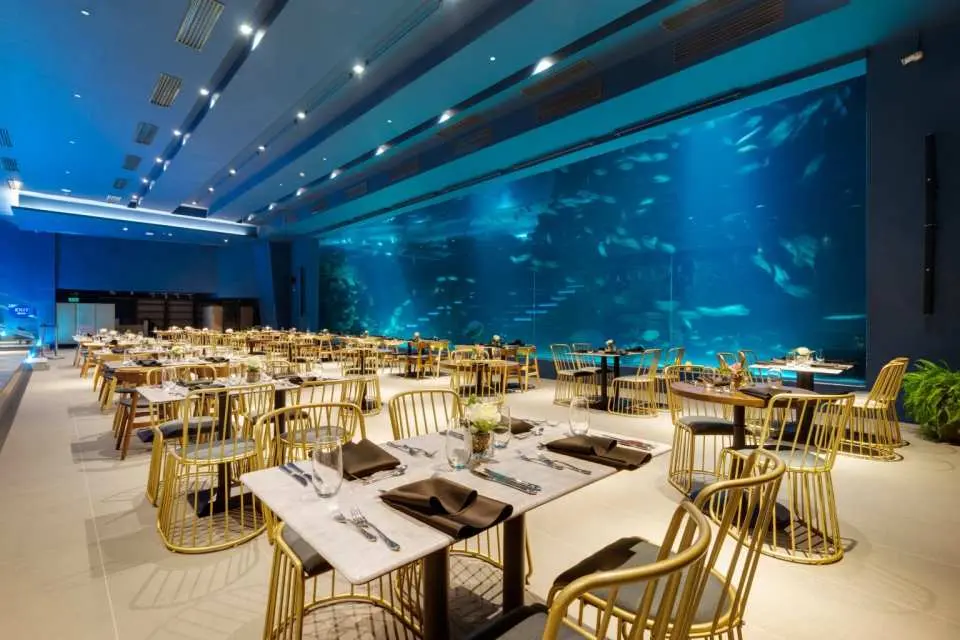
1. The Dining and Nightlife Scene: Restaurant managers note that while tables may be occupied, the average bill per customer has decreased. Tourists are opting for simpler, less expensive meals, sharing dishes, and cutting back on beverages and desserts. Bars and entertainment venues are seeing shorter stays and fewer orders.
2. Retail and Souvenir Stagnation: Shops famous for pearls, handicrafts, and “I ♥ Cebu” t-shirts are experiencing longer periods between sales. Visitors are browsing more and buying less, often prioritizing essential experiences over material souvenirs.
3. Downgraded Experiences: There’s a noticeable trend toward budget-conscious choices. Travelers might choose a standard room over a suite, a group tour over a private one, or a local bus over a private car transfer. This directly impacts the revenue of service providers who offer premium options.
4. The Informal Sector: Perhaps the most vulnerable are the informal workers—the market vendors, the freelance tour guides, and the massage therapists on the beach. Their income is almost entirely discretionary and immediate; a slow day means no earnings.
Unpacking the Causes: Why Are Tourists Spending Less?
The reasons behind the spending slowdown are multifaceted, often stemming from both global and local factors.
- Global Economic Headwinds: Inflationary pressures in key tourist source countries (like South Korea, the United States, and China) mean potential visitors have less disposable income for international travel or must tighten their budgets while on vacation.
- Shifting Travel Priorities (“Value Travel”): Post-pandemic, many travelers are prioritizing longer trips or allocating more of their budget to major expenses like flights and accommodation, leaving less for daily spending, shopping, and ancillary activities.
- Increased Cost of Living in Destination: While still offering value, prices for food, transportation, and activities within Region 7 have risen. This can lead tourists to self-impose stricter daily budgets to make their trip last.
- Competition from Other Destinations: The Philippines faces stiff competition from other Southeast Asian nations aggressively marketing themselves as affordable, post-pandemic getaways.
- Potential Infrastructure or Perception Issues: Traffic congestion in Cebu, concerns about environmental sustainability in Bohol, or other regional challenges can subtly influence the overall visitor experience and their willingness to spend freely.
The Ripple Effect: Consequences Beyond the Tourism Sector
The impact of reduced tourist spending doesn’t stay confined to hotels and tour boats. It creates a domino effect throughout the local economy.
Reduced Local Purchasing: When hotels buy less seafood, restaurants order fewer vegetables, and souvenir shops stop replenishing stock, the farmers, fishers, and artisans who supply them suffer. This severs a crucial link between tourism and agriculture/light industry.
Stagnant Wages and Job Insecurity: Businesses operating on thinner margins may freeze hiring, reduce staff hours, or be unable to offer raises. The fear of job loss becomes real in communities where alternative employment is scarce.
Lower Government Revenue: Less business activity translates to lower collections of local taxes, business permits, and fees. This can hamper the local government’s ability to fund infrastructure projects, maintain tourist sites, and promote the region effectively—creating a vicious cycle.
Navigating the Slowdown: Strategies for Resilience
While the situation presents challenges, it also offers Region 7 an opportunity to build a more resilient and sustainable tourism model. Adaptation and innovation are key.
For Local Businesses:
- Embrace the Value-Conscious Traveler: Create attractive package deals that bundle accommodation, meals, and an activity. Offer “happy hour” specials or prix-fixe menus.
- Hyper-Localize the Experience: Promote authentic, low-cost experiences like community-led village tours, cooking classes using local ingredients, or self-guided historical walks.
- Leverage Digital Marketing: Use social media to tell compelling stories, engage directly with potential visitors, and offer exclusive online booking discounts.
- Diversify Clientele: While international tourism is vital, also cater to the growing domestic and regional travel market, which can provide more stable year-round business.
For Local Government and Stakeholders:
- Invest in Community-Based Tourism: Spread the economic benefits by developing and promoting tourism products in lesser-known areas of each province, ensuring revenue reaches more households.
- Enhance the Tourist Experience: Address pain points like transportation connectivity between key attractions, cleanliness, and clear signage to improve perceived value.
- Data-Driven Promotion: Use data to understand changing tourist demographics and preferences, then tailor marketing campaigns to attract visitors likely to engage deeply (and spend meaningfully) with the local culture and environment.
- Support MSMEs: Provide training and easy-access programs for micro, small, and medium enterprises in the tourism supply chain to help them digitalize and improve their offerings.
Looking Ahead: Building a Sustainable Future
The current tourist spending slowdown in Region 7 is a stark reminder of the vulnerabilities of an economy heavily reliant on a single sector. It underscores the urgent need to build economic resilience. The goal should not merely be to increase tourist numbers, but to cultivate a tourism economy that delivers greater value per visitor in a way that benefits local communities more broadly and withstands global economic fluctuations.
By focusing on unique cultural heritage, environmental stewardship, and creating meaningful connections between visitors and locals, Region 7 can transform this challenge into a catalyst. The future lies in moving beyond mass tourism toward a model where spending is not just extracted, but invested in experiences that enrich both the guest and the host community, ensuring the region’s prosperity for generations to come. The path forward requires collaboration, creativity, and a shared commitment to making Central Visayas not just a place to visit, but a place to experience deeply and support willingly.