Greece’s National Day Makes Historic First Celebration in Cebu
The vibrant city of Cebu, a historic and cultural hub in the Philippines, recently added a new, vibrant thread to its rich tapestry. For the first time ever, the Greek National Day, also known as Ohi Day, was celebrated on the island, marking a significant milestone in cultural diplomacy and community connection. This historic event, organized by the Greek Honorary Consulate in Cebu, brought together members of the Greek community, Filipino dignitaries, and local partners in a night of profound symbolism and shared heritage.
A Night of Firsts: Honoring History and Friendship
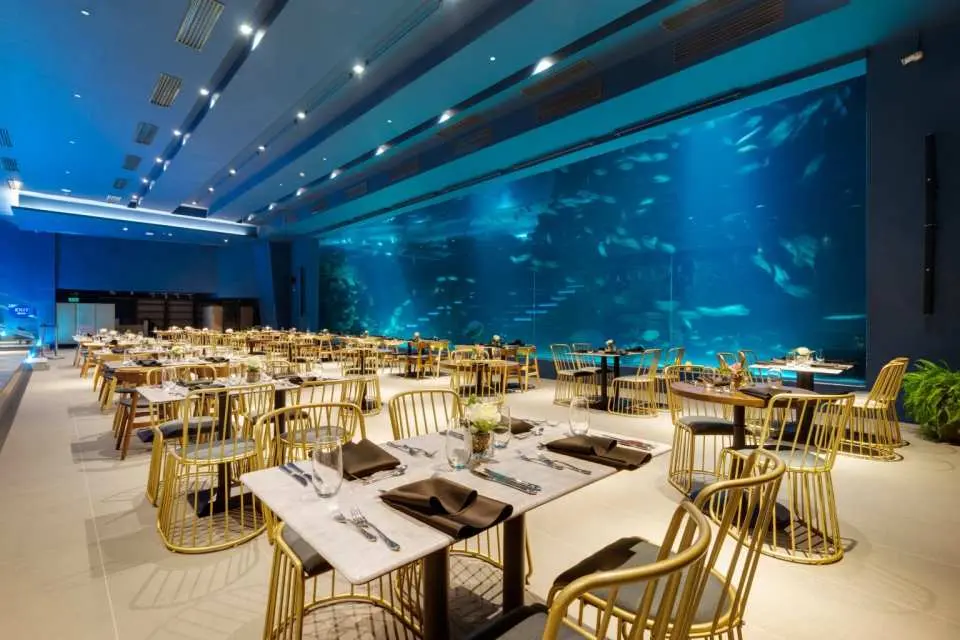
Held at a prestigious venue in Cebu City, the celebration was more than just a diplomatic reception; it was a powerful statement of presence and partnership. The event was presided over by the newly appointed Greek Honorary Consul in Cebu, Konstantinos Koutsodontis. His leadership in organizing this inaugural celebration underscores the growing importance of the Visayas region and the desire to strengthen ties directly from the heart of the Philippines.
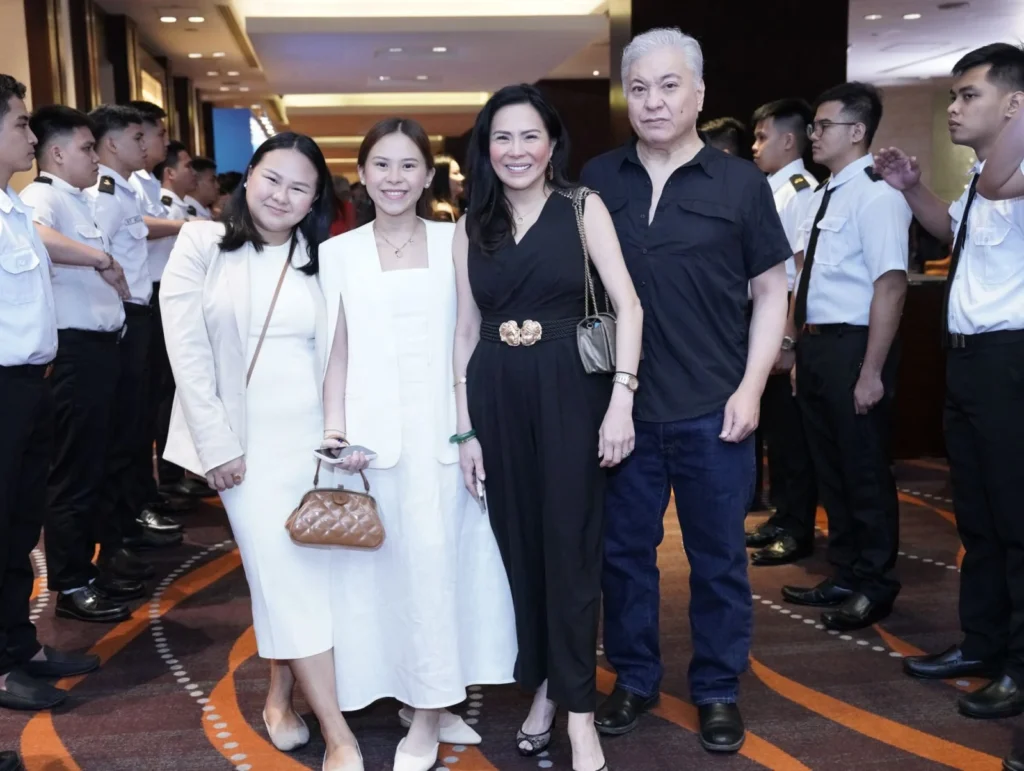
The guest of honor was Consul General of Greece in Manila, Dimitrios Papandreou, whose presence linked the local celebration to the broader diplomatic mission. The gathering was further graced by key figures from Cebu’s civic and business landscape, including Cebu City Mayor Michael Rama and Mandaue City Mayor Jonas Cortes, highlighting the local government’s support for this cross-cultural initiative.
The Meaning of Ohi Day: A Legacy of Courage
At the core of the celebration was the commemoration of Ohi Day ( pronounced *O-hee*), observed every October 28th. This national holiday commemorates the categorical rejection (“Ohi!” meaning “No!”) by Greek Prime Minister Ioannis Metaxas of the ultimatum presented by Italian dictator Benito Mussolini in 1940. This defiant act led to Greece’s entry into World War II on the side of the Allies and is celebrated as a testament to national sovereignty, courage, and dignity.
During the Cebu event, this history was vividly remembered. The national anthems of both Greece and the Philippines were solemnly played, followed by a traditional flag-raising ceremony performed by the Philippine Coast Guard. This poignant moment served as a visual representation of mutual respect between the two nations.
Strengthening Bonds Between Ancient Civilizations
The speeches delivered throughout the evening consistently emphasized the deep, albeit geographically distant, connections between Greece and the Philippines. Both nations share a profound love for freedom, a rich seafaring history, and a deep-rooted sense of family and community. Officials spoke of exploring new avenues for collaboration, particularly in sectors where both countries excel:
* Tourism and Cultural Exchange: Promoting heritage tours and educational programs.
* Maritime and Shipping: Leveraging shared expertise as seafaring nations.
* Trade and Investment: Creating pathways for business partnerships.
* People-to-People Ties: Strengthening the community of Greeks in the Philippines and Filipinos in Greece.
Consul General Papandreou eloquently connected the two cultures, noting how the celebration in Cebu, a historic trading port, mirrored Greece’s own ancient maritime legacy. He expressed optimism that this event would be the first of many, solidifying a lasting bridge between the two peoples.
Cebu: The Perfect Historic Backdrop
The choice of Cebu for this inaugural celebration was particularly symbolic. As the oldest city in the Philippines and the site of the first Spanish settlement, Cebu is a living monument to cultural confluence and historical resilience. Its identity has been shaped by centuries of international exchange, making it the ideal Philippine home for celebrating another nation’s proud history. Hosting Greece’s National Day aligns perfectly with Cebu’s status as a cosmopolitan hub open to the world.
A Celebration of Community and Cuisine
Beyond the formal protocols, the evening was a warm celebration of Hellenic culture. Guests were treated to an authentic taste of Greece through its renowned cuisine. The event featured:
* A sumptuous spread of traditional Greek delicacies.
* Fine Greek wines and spirits, offering a sensory journey to the Mediterranean.
* An atmosphere of lively conversation and connection, fostering new friendships and reinforcing existing ones.
This focus on shared meals and fellowship underscored the universal language of hospitality, a value held dear in both Filipino and Greek societies.
A New Chapter in Greco-Filipino Relations
The historic first celebration of Greek National Day in Cebu is far more than a singular event. It is a powerful signal of intent. It signifies:
* The formal expansion of Greece’s diplomatic and cultural outreach in the Philippines beyond Manila.
* The recognition of Cebu’s vital role as an economic and cultural powerhouse in the country.
* The active growth and consolidation of the Greek community in the Visayas region.
* A commitment to building tangible, people-centered partnerships for the future.
As the echoes of “Zito i Ellada” (Long live Greece) and the warm Filipino hospitality mingled in the Cebu night, a new chapter was undoubtedly opened. This successful inaugural celebration has set a precedent, promising to make the commemoration of Ohi Day in Cebu an annual tradition—a lasting symbol of courage, history, and the enduring friendship between two proud nations. It proves that even across vast oceans, the shared values of freedom, heritage, and community can create a powerful and unifying bond.