Cebu Forum 2026 Charts Future of Philippine Sports Tourism
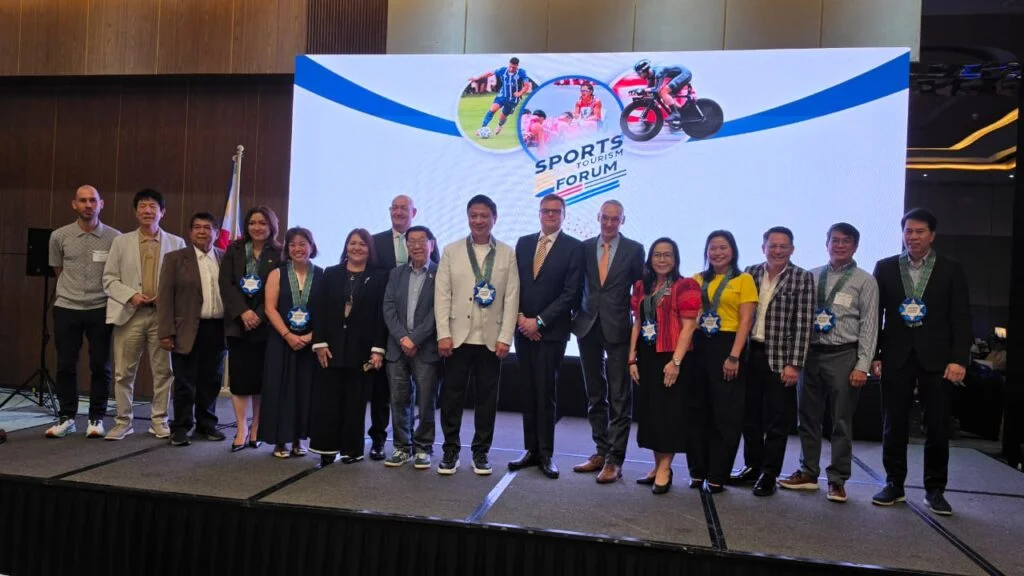
The Philippines is setting its sights on becoming a powerhouse in the global sports tourism arena, and the roadmap is being drawn in the heart of the Visayas. The recent Cebu Forum 2026 has emerged as a pivotal moment, bringing together government leaders, sports officials, tourism experts, and private sector stakeholders to craft a strategic vision that leverages the nation’s passion for sports and its world-renowned hospitality. This gathering wasn’t just about planning events; it was a comprehensive strategy session aimed at positioning the country as the premier destination for international sports competitions, training camps, and fan travel in the Asia-Pacific region and beyond.
Building on a Winning Legacy
The momentum for this ambitious push is no accident. The Philippines has been steadily building its credentials on the world sports stage, hosting successful and high-profile events that have showcased its capability and vibrant culture. From the FIBA Basketball World Cup 2023 to the Miss Universe pageant, the country has proven it can organize world-class spectacles. The Cebu Forum 2026 seeks to institutionalize this success, moving from one-off wins to a sustainable, long-term industry.
Discussions at the forum highlighted the need to build on existing infrastructure while strategically developing new, multi-purpose facilities. The goal is to create a network of “sports-ready” destinations across the archipelago, with Cebu positioned as a central hub. Key focus areas included:
- High-Impact Event Bidding: Forming a cohesive national strategy to bid for and secure major regional and global sporting events.
- Integrated Destination Planning: Ensuring host cities are developed holistically, with seamless coordination between sports venues, accommodation, transportation, and tourist attractions.
- Legacy and Sustainability: Creating plans where sporting infrastructure benefits local communities long after the events conclude, promoting grassroots sports and public health.
The Cebu Advantage: More Than Just Beaches
Cebu is not just a beautiful backdrop; it is being strategically positioned as the operational heart of this national sports tourism thrust. Known for its international airport, thriving business process outsourcing (BPO) industry, and established tourism ecosystem, Cebu offers the ideal logistical and hospitality foundation. The forum emphasized transforming the province into a year-round destination for:
- International Training Camps: Attracting foreign athletes and teams, particularly during the winter months in the northern hemisphere, to use Cebu and other Philippine locations for warm-weather training.
- Regional Sports Championships: Hosting a steady calendar of Southeast Asian (SEA) and Asian-level competitions across various disciplines, from aquatics to athletics.
- MICE in Sports: Tapping into the Meetings, Incentives, Conferences, and Exhibitions (MICE) sector by hosting sports industry conferences, federation meetings, and sports medicine symposiums.
Public-Private Partnerships: The Engine for Growth
A central theme resonating throughout the Cebu Forum 2026 was the critical role of collaboration. Government bodies like the Department of Tourism (DOT) and the Philippine Sports Commission (PSC) are aligning their policies and resources. However, the scale of ambition requires deep private sector investment and expertise.
The forum served as a platform to galvanize this partnership, focusing on:
- Infrastructure Investment: Encouraging private developers to invest in modern, smart sports complexes and athlete villages.
- Hospitality and Services: Working with hotel chains, tour operators, and transport services to create tailored packages for teams, officials, and spectators.
- Marketing and Promotion: Leveraging private sector creativity and global networks to market the “Philippines: Your Sports Destination” brand aggressively.
Beyond the Game: The Ripple Effect
The vision laid out in Cebu extends far beyond medal counts and stadium attendance. The forum meticulously outlined the profound socio-economic impact a thriving sports tourism industry can generate.
Job creation is at the forefront—from construction and event management to hospitality and retail. Developing sports infrastructure also means uplifting local communities with better facilities and promoting a culture of health and fitness. On a national scale, sports tourism is a powerful driver for economic diversification, attracting a different demographic of high-spending visitors and spreading tourist traffic beyond traditional sun-and-beach hotspots.
Challenges and the Road to 2026
The path forward is not without its hurdles. Participants at the forum openly addressed key challenges that need to be tackled:
- Connectivity: Enhancing domestic flight and ferry links to ensure smooth travel between event hubs and tourist destinations.
- Funding Models: Finalizing innovative and sustainable financial models for large-scale infrastructure projects.
- Grassroots Integration: Ensuring the national sports tourism strategy trickles down to inspire local athletic development and community engagement.
The year 2026 itself serves as a significant milestone and catalyst. It is not just the name of the forum; it is a target year that coincides with the country’s potential hosting of major events and the culmination of initial development phases. The work initiated in Cebu is designed to accelerate preparations, ensuring the Philippines is ready to welcome the world with open arms and top-tier sporting hospitality.
A Unified Vision for a Dynamic Future
The Cebu Forum 2026 has successfully moved the conversation from “if” to “how.” It has provided a collaborative framework and a shared sense of purpose among all stakeholders. By capitalizing on its natural assets, proven track record in event hosting, and the unparalleled warmth of its people, the Philippines is strategically positioning itself to score a major victory in the competitive field of global sports tourism.
The final whistle has blown on the planning session, but the real game is just beginning. With the blueprint developed in Cebu, the Philippines is now in a strong position to train, build, and promote its way to becoming a champion destination where the world comes to play, compete, and celebrate.