Critical Travel Alert: Why Airlines Demand 4-Hour Airport Arrival in Cebu for ASEAN Summit Flights
If you have booked a flight through Mactan-Cebu International Airport (MCIA) during the upcoming ASEAN summit period, recent advisories from major carriers should immediately change your pre-travel planning. Several top airlines, including Philippine Airlines and Cebu Pacific, have issued a stark warning: passengers must arrive at the airport four hours before departure or risk being denied boarding. This is not a suggestion; it is an operational necessity driven by unprecedented security and logistical protocols.
This directive is a direct response to the heightened security measures surrounding the ASEAN summit. As a seasoned travel analyst who has monitored similar events in Singapore, Indonesia, and Thailand, I can confirm that these restrictions are not merely bureaucratic red tape. They represent a genuine shift in airport security posture, mirroring the protocols seen during major international gatherings like APEC or G20 summits. The primary cargo bay and terminal perimeters will be sealed early, and every piece of luggage will undergo secondary screening.
The Operational Reality Behind the 4-Hour Window
To understand why this is happening, you must grasp the complexity of hosting a multi-national diplomatic event. The Mactan-Cebu International Airport Authority (MCIAA) has confirmed that the ASEAN summit security bubble will activate full lockdown procedures. This means that standard check-in counters may close earlier than usual, and access to the terminal building itself could be restricted to ticketed passengers only during specific windows.
Decreased Processing Capacity
During summit operations, the airport’s resources are not just used for commercial travelers. A significant portion of the apron, customs, and security personnel are diverted to handle the arrival and departure of heads of state, their delegations, and their accompanying security details. This artificially shrinks the capacity of the terminal. With fewer lines open for the general public, the time required to process a standard traveler increases dramatically.
Key factors causing delays include:
- Enhanced baggage screening: Every checked bag is now subject to manual inspection or EDS (Explosive Detection System) swabbing, not just X-ray.
- Vehicle security perimeter: Taxis, ride-hailing services, and private cars will be stopped at checkpoints further from the terminal, adding 15-20 minutes to the landside portion of your journey.
- Road closures: Specific highways leading to the airport will be closed temporarily for motorcade movements, causing gridlock that can double travel time from the city center.
- No-fly zone restrictions: While this doesn’t affect passenger check-in, it does create a cascading effect on air traffic control, which can cause ground delays in holding areas.
Which Airlines Are Enforcing This Policy?
The directive is industry-wide for airlines operating out of MCIA during the summit period. While individual airlines may phrase it differently, the “4-hour rule” is the standard being set. The advisories specifically target flights scheduled within 24 hours of the summit opening and closing ceremonies.
You will see this warning prominently from:
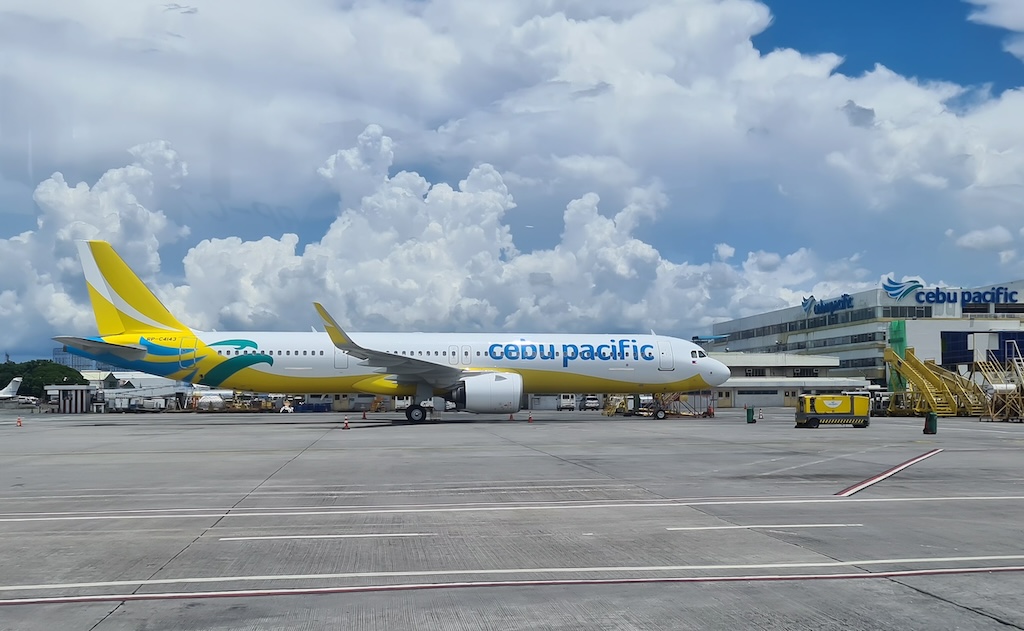
- Cebu Pacific: The budget carrier has been particularly vocal, issuing SMS alerts to passengers booked on specific date ranges.
- Philippine Airlines: PAL has updated its “Travel Advisory” page, warning of long queues and suggesting passengers arrive 3.5 to 4 hours early for domestic and international flights respectively.
- AirAsia Philippines: Has followed suit, citing “convergence of security protocols” as the reason for the extended check-in window.
Practical Guidance for the Weary Traveler
As a frequent flyer, I know that arriving four hours early feels punitive. It is inconvenient, and it wastes time. However, the cost of ignoring this warning is far higher. I have personally witnessed the fallout of such events in Manila during APEC, where latecomers were simply told their bags were offloaded and they missed their flights—with no rebooking fee waived.
Here is your strategy for navigating this environment:
- Time your arrival: Do not arrive exactly 4 hours early. Aim for 4 hours and 15 minutes. This gives you a 15-minute buffer for the traffic jam at the entrance gate.
- Check your flight type: This rule applies to all flights, but is most stringent for ASEAN-affiliated flights (those carrying delegates or operating during the specific summit window). Check if your flight number is listed as a “summit support” flight.
- Plan for the wait: Pack a fully charged battery pack and download offline entertainment. The airport lounges will likely be at full capacity, and standard seating areas may be overcrowded.
- Pack light (specifically): Avoid checking bags if possible. A carry-on only strategy bypasses the most severe bottleneck—the bag drop and screening process. However, even your carry-on will be searched thoroughly.
- Leave prohibited items at home: This is not the time to test the limits. Leave nail clippers, large liquid containers, and any electronic devices that cannot be powered on (tablets, laptops with dead batteries) at home. They will be confiscated.
The Hidden Factor: Summit Staff Overlap
An aspect often missed in standard travel advisories is the staff attrition at the airport. Airport personnel—from check-in agents to security screeners—are often recalled for mandatory overtime or assigned to VIP handling teams. This leads to a shortage of regular staff on the floor. Do not expect the same speed of service you get on a quiet Tuesday afternoon. The system will be stressed, and stress leads to slower processing.
What Happens If You Are Late?
Airlines have been explicit: strict enforcement. If you arrive less than 3 hours before departure, you will likely be directed to a rebooking desk. The grace period for late arrivals is effectively zero. Stricter cut-off times for bag drop have been implemented. If your bag does not make it onto the belt by the new, earlier cut-off time (often 60 minutes before departure rather than 45 minutes), you will fly without your luggage, or not fly at all.
Final Verdict from an Expert
This is not a drill, nor is it an overreaction by the airlines. The 4-hour early arrival mandate at Cebu Airport is the new normal for the summit period. While you may resent the lost time, you will resent missing your trip far more. I advise treating this as a mandatory travel requirement, akin to a visa. Ignorance of the policy will not save your seat.
For the business traveler: Accept the sunk cost of your time. Use the extra two hours to work from a corner of the food court.For the leisure traveler: Accept the reality that this is part of the experience of flying during a major global event. Consider it a forced period of relaxation before your flight.
One last critical note for connecting passengers: If you are flying from Manila or Cagayan de Oro to Cebu to catch an international connection, your layover must be at least 5 hours. The 4-hour early rule applies to your *connecting* flight time, not just your check-in in Cebu. Plan your entire itinerary backward from the new, harder deadline.