Typhoon Season Travel: What Cebu Visitors Should Know
Planning a beach getaway? Typhoon seasons can disrupt travel plans across Asia’s tropical destinations. Learn how to prepare for monsoon weather when visiting Cebu.
typhoon season travel
When Typhoons Impact Your Island Adventure
Picture this: you’ve booked your dream beach vacation in Southeast Asia, only to receive a weather alert about an approaching typhoon. It’s a reality many travelers face when visiting tropical island destinations during certain times of the year. Understanding how seasonal weather patterns affect your travel plans is crucial for a smooth getaway.
How Typhoon Season Affects Coastal Destinations
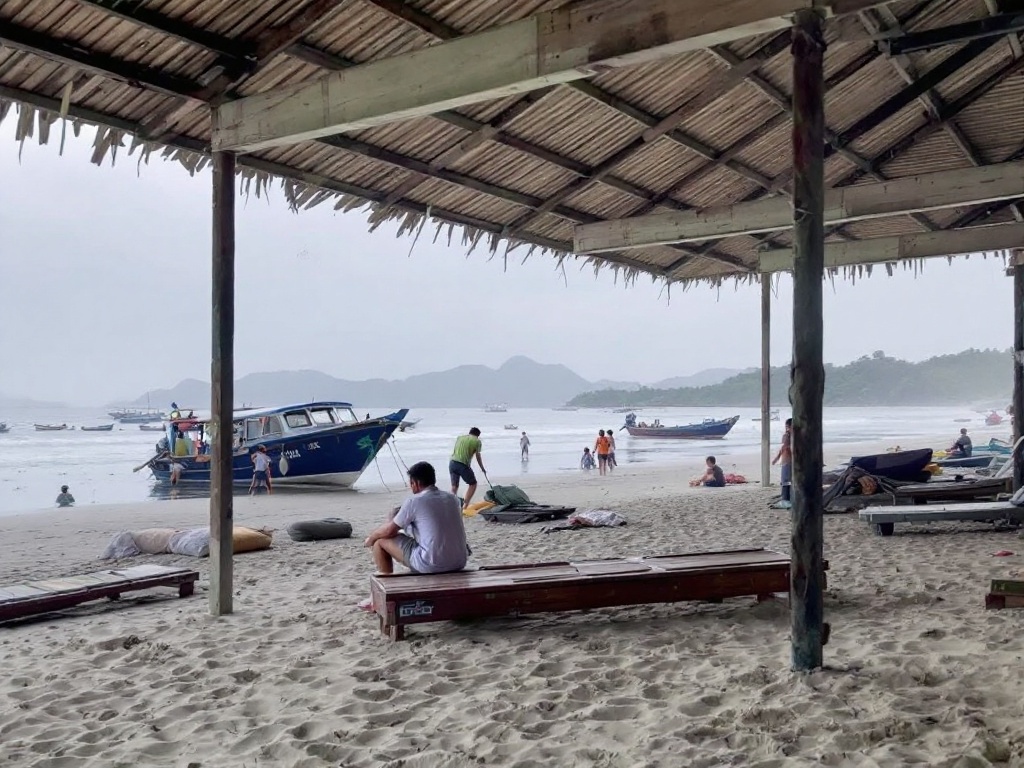
The typhoon season in Southeast Asia typically runs from June through November, with peak activity in August and September. During these months, coastal areas experience heavy rainfall, strong winds, and rough seas that can disrupt ferry services, beach activities, and outdoor attractions.
Beach resorts may close temporarily, water sports become unsafe, and visibility for diving drops significantly. Cruise itineraries often get rerouted or cancelled entirely when typhoons form in shipping lanes.
Planning Your Trip Around Weather Patterns
If you’re considering a Southeast Asian beach vacation, timing is everything. The dry season—typically November through May—offers the most stable weather and best conditions for water activities and island hopping.
That said, visiting during shoulder months like May or October can offer fewer crowds and better prices, though you’ll need to monitor weather forecasts more closely.
Smart Travel Tips for Typhoon Season
Book flexible accommodations: Choose hotels and resorts with lenient cancellation policies during uncertain weather months. This protects your investment if conditions deteriorate.
Purchase travel insurance: Comprehensive coverage that includes weather-related disruptions gives you peace of mind and financial protection against unexpected cancellations.
Check weather forecasts regularly: Monitor typhoon tracking systems and local weather agencies at least two weeks before your trip. This gives you time to adjust plans if necessary.
Stay flexible with activities: Plan a mix of indoor and outdoor attractions. Museums, cooking classes, and cultural sites make excellent backup options during rainy days.
What Happens When Typhoons Hit
When a typhoon approaches, local authorities typically issue travel warnings and close beaches and water activities. Ferry services between islands may suspend operations, stranding tourists on specific islands.
However, most resorts have excellent infrastructure and safety protocols to keep guests secure and comfortable. Power outages are rare in established tourism areas, and staff are well-trained in emergency procedures.
Seasonal Advantages You Might Not Expect
While typhoon season sounds risky, it’s not all bad news for adventurous travelers. Visiting during these months means smaller crowds, better hotel rates, and a more authentic local experience.
Many attractions operate normally between storms, and the lush green landscapes created by heavy rains are particularly stunning for photography enthusiasts.
Making the Best Decision for Your Getaway
Your ideal travel window depends on your priorities. If you’re seeking guaranteed sunshine and perfect diving conditions, book between December and April. If you’re budget-conscious and don’t mind occasional rain, May to October works just fine.
Whatever you choose, preparation and flexibility are your best tools for enjoying a memorable tropical island experience regardless of the season.