European travel destinations 2026
Discover Bulgaria and Finland as Europe’s safest travel destinations for 2026 beach and cool-weather getaways recommended by tourism boards.
Bulgaria Finland travel destinations
Why Bulgaria and Finland Are Dominating Europe’s Travel Scene in 2026
Picture yourself standing at the edge of a pristine Black Sea beach while sipping local wine, or hiking through endless Finnish forests under the midnight sun. These aren’t fantasy scenarios anymore—they’re the reality that the European Commission and major tourism boards are pushing travelers toward in 2026.
The shift toward Bulgaria and Finland as premier European destinations represents a significant change in how travelers are choosing their next adventure. Safety, authenticity, and value have become the holy trinity of modern travel planning, and these two countries are checking every box.
Bulgaria’s Coastal Charm and Mountain Retreats
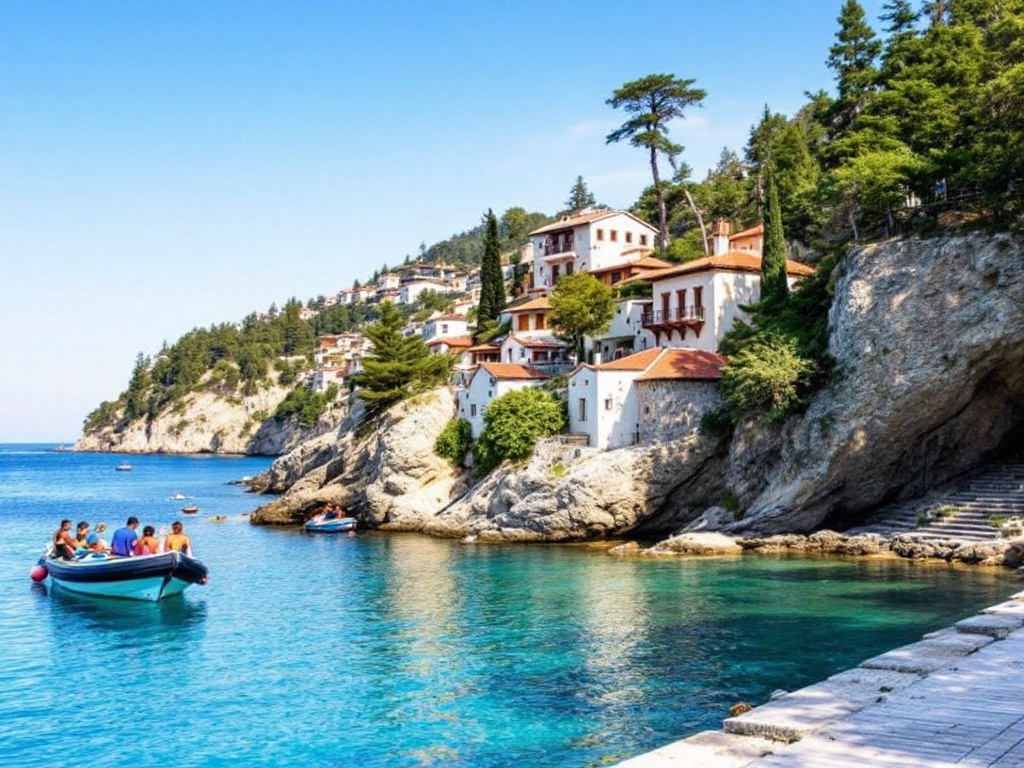
Bulgaria has quietly become one of Europe’s best-kept secrets, offering travelers something most overcrowded Mediterranean destinations can’t deliver anymore—genuine hospitality at reasonable prices. The Black Sea coast provides sandy beaches that rival anything in Croatia or Greece, but without the overwhelming summer crowds.
The tourism boards promoting Bulgaria are emphasizing its dual appeal. You can spend your mornings lounging on golden sand beaches and your afternoons exploring charming coastal towns like Sozopol and Nessebar, which feel frozen in time with their old-world architecture and cobblestone streets.
Beyond the coast, Bulgaria’s mountain regions offer a completely different experience. The Rila and Pirin mountains provide excellent hiking opportunities, and villages nestled in these areas showcase traditional Bulgarian culture that hasn’t been diluted by mass tourism.
Finland’s Cool-Weather Adventures and Natural Wonders
Finland represents a completely different travel proposition, one that appeals to adventurers seeking something extraordinary. The country’s reputation for safety is unmatched in Europe, consistently ranking at the top of global safety indices year after year.
For travelers planning trips in 2026, Finland offers remarkable experiences centered around its natural landscape. The country’s lakes, forests, and unique Arctic regions provide settings that feel genuinely remote and untouched by typical tourist infrastructure.
The cool weather that might deter some travelers is actually Finland’s greatest asset. Summer temperatures remain comfortable, and the extended daylight hours during the warmer months create magical conditions for outdoor exploration. Winter visitors can experience the Northern Lights and enjoy snow-based activities without extreme cold compared to other Arctic destinations.
Safety Standards That Set These Destinations Apart
The European Commission’s recent travel alerts have specifically highlighted the safety infrastructure in both Bulgaria and Finland. This isn’t just about crime rates—it encompasses everything from food safety standards to healthcare quality to emergency response systems.
Bulgaria has invested heavily in upgrading its tourism infrastructure while maintaining reasonable prices. Healthcare facilities in major tourist areas meet European standards, and local authorities have implemented comprehensive safety protocols for visitors.
Finland’s safety record speaks for itself. The country boasts excellent emergency services, well-maintained infrastructure, and a culture of responsibility that extends to how the nation treats visitors. Tourist areas are well-lit, monitored, and organized in ways that give travelers peace of mind.
Beach Destinations in Bulgaria That Shouldn’t Be Missed
Sunny Beach, despite its touristy reputation, offers miles of well-maintained sand and a full range of water sports. The beach is backed by a promenade filled with restaurants and shops, making it perfect for families seeking convenience alongside recreation.
Burgas provides a more authentic beach town experience. This working port city has a genuine Bulgarian character while still offering excellent beaches and a vibrant nightlife scene that attracts younger travelers.
For something more exclusive, the northern beaches near Varna attract visitors seeking a mix of relaxation and cultural exploration. The nearby ancient ruins and wine regions add depth to a beach vacation that could otherwise feel one-dimensional.
Finland’s Unique Cool-Weather Attractions
Helsinki, the capital, combines Nordic design aesthetics with genuinely fascinating cultural institutions. The city’s waterfront areas provide beautiful walking routes, and the food scene has exploded with innovative restaurants showcasing Finnish cuisine.
Lake Saimaa region offers serenity that most European destinations can’t match. Travelers can rent cottages on lake islands, fish for pike and perch, and experience the Finnish sauna culture in its authentic setting.
Lapland appeals to adventurers willing to venture north. Dog sledding, reindeer herding experiences, and the famous glass igloos provide memorable activities that create stories travelers will tell for years.
Value Proposition and Cost Considerations
Bulgaria’s biggest advantage remains its affordability. Meals cost a fraction of what you’d pay in Western Europe, accommodation is reasonably priced, and activities offer tremendous value. Travelers can enjoy a luxury beach vacation on a mid-range budget.
Finland requires a larger travel budget, but the investment delivers experiences money can’t buy elsewhere. The unique attractions, safety, and quality of services justify the higher prices for many travelers.
Both destinations offer better value than crowded Mediterranean alternatives when you factor in experience quality, crowd levels, and actual enjoyment of your time.
Timing Your 2026 Travel Plans
Bulgaria’s beach season runs strongest from June through September, though May and October offer pleasant weather with fewer tourists. Spring and fall are perfect for exploring interior regions without summer heat.
Finland’s summer season, from late May through August, provides the best weather and those famous long daylight hours. Winter enthusiasts should plan December through February for snow activities and Northern Lights viewing, though this requires more cold-weather preparation.
Getting There and Around
Sofia, Bulgaria’s capital, is served by major European airlines with direct flights from most major hubs. Domestic buses and trains are affordable and reliable, connecting coastal towns and mountain regions efficiently.
Helsinki serves as Finland’s main international gateway, with excellent flight connections and a modern transportation system. Rental cars provide flexibility for exploring lakes and forests, though public transportation connects major destinations well.
Practical Planning Tips for 2026
Both destinations require minimal travel bureaucracy for EU citizens. Non-EU travelers should check visa requirements well in advance, though Bulgaria and Finland generally welcome visitors from most countries.
Accommodation booking becomes critical for summer months, especially in Bulgaria’s popular beach areas. Winter Finland travel requires booking months ahead for popular activities like glass igloo stays.
Travel insurance should be considered mandatory, particularly for Finland where activities can carry physical risks. Both countries’ healthcare systems are excellent but can be expensive for uninsured visitors.
Creating Your Ideal 2026 Itinerary
Consider combining Bulgaria’s coast and mountains for a two-week adventure that covers diverse experiences. Start with beach time, then move inland for hiking and cultural exploration.
Finland trips work well as standalone journeys focused on specific regions. A week in Lapland differs dramatically from a week exploring Helsinki and the lakes, so choose based on your interests.
Both destinations reward slower travel. Rushing through either country means missing the subtle charms that make them special. Plan fewer locations and spend more time in each place.
Why Travel Experts Are Recommending These Destinations
The European Commission and tourism boards are highlighting these countries because they represent the future of European travel. They offer authenticity, safety, and natural beauty without the overtourism plaguing other regions.
Travel analysts predict these destinations will see increased interest as travelers move beyond traditional hotspots. Getting there early in this trend means experiencing Bulgaria and Finland before they reach saturation point.
Your 2026 travel plans should seriously consider what Bulgaria and Finland offer. Whether you’re seeking sandy beaches or cool-weather adventures, these destinations deliver experiences that align perfectly with modern travel priorities.