Cebu Hotel Connect 2026 investment opportunities
Discover Cebu’s hotel investment potential at 2026 conference showcasing tourism growth and business opportunities in the Philippines.
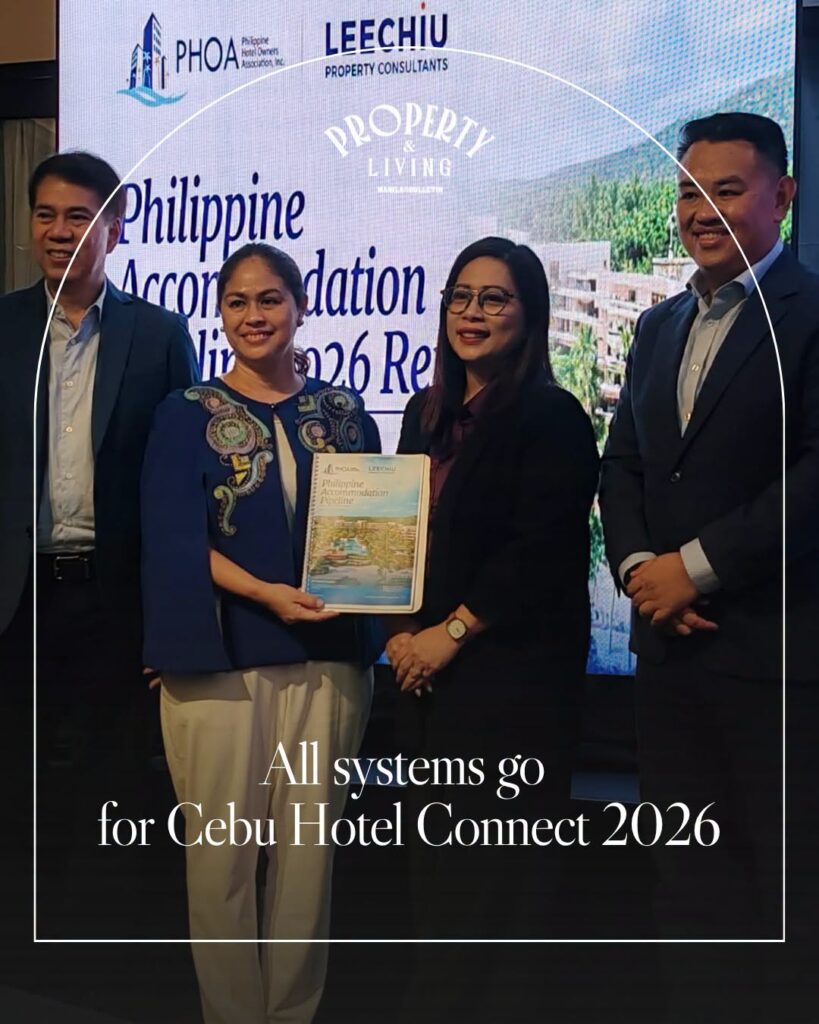
Cebu Hotel Connect 2026
Cebu Hotel Connect 2026: The Future of Philippine Tourism Investment
Cebu has quietly become one of Asia’s most dynamic tourism destinations, yet many investors still overlook the region’s untapped potential. In 2026, the Cebu Hotel Connect conference will bring together hospitality leaders, developers, and investors to explore what makes this island city such a compelling opportunity for growth. If you’re considering entering the Philippine hospitality market or expanding your portfolio, this event signals where the money and momentum are heading.
The conference represents more than just another industry gathering—it’s a strategic moment when major stakeholders align around shared opportunities. Cebu’s geographical advantages, growing infrastructure, and recovering tourism numbers create a convergence of factors that rarely align simultaneously in emerging markets.
Why Cebu Matters for Tourism Investment
Cebu’s position as the gateway to the Visayas region gives it natural advantages that competing destinations can’t easily replicate. The province attracts both business travelers heading to manufacturing hubs and leisure tourists exploring island destinations. This dual appeal means hotel operators can diversify revenue streams beyond seasonal vacation bookings.
The city’s international airport serves as a major hub connecting domestic and international routes, making accessibility a non-issue for investors worried about guest logistics. Direct flights to major Asian cities and growing regional connections ensure steady traveler flow throughout the year. This infrastructure backbone reduces the execution risk that deters many developers from provincial markets.
Beyond flights, Cebu’s coastline offers resort development opportunities that rival more established beach destinations. The surrounding islands—Mactan, Olango, and nearby Bohol—create a portfolio effect where investors can develop complementary properties and benefit from destination-wide marketing efforts.
Investment Opportunities in Hospitality Development
The Cebu Hotel Connect 2026 conference will showcase specific development corridors and partnership structures that make investment accessible across different capital levels. Whether you’re a boutique operator or a large institutional investor, the event typically presents opportunities ranging from conversion projects to ground-up development.
Mixed-use developments combining hotels with residential, retail, and entertainment components are increasingly popular in Cebu’s emerging business districts. These projects offer higher total returns and broader market appeal than standalone hotel properties. The conference will highlight case studies of successful mixed-use projects that balanced hospitality operations with complementary revenue streams.
Service apartments and extended-stay accommodations represent another growing segment. Cebu’s manufacturing sector and business process outsourcing industry create sustained demand for corporate housing that traditional hotels don’t efficiently serve. Forward-thinking developers are capturing this market gap with specialized properties designed for longer-term guests.
Understanding Cebu’s Competitive Position
Cebu faces competition from other Philippine destinations seeking tourism investment, but its fundamental economics differentiate it from alternatives. Unlike pure resort destinations that depend heavily on seasonal patterns, Cebu maintains consistent occupancy rates driven by business travel, education, and healthcare tourism.
The city hosts international schools, tertiary medical facilities, and manufacturing operations that generate year-round hospitality demand. When you combine this baseline demand with growing leisure tourism, the risk profile looks favorable compared to destinations dependent on vacation seasons.
Property valuations in Cebu remain reasonable relative to Bangkok, Ho Chi Minh City, or even Manila’s premium areas. This valuation gap creates opportunity for investors seeking expansion in Southeast Asia without the premium pricing of established markets. The 2026 conference will likely address how Cebu’s development trajectory compares to similar cities at similar development stages.
What to Expect at the Conference
Cebu Hotel Connect 2026 will feature keynote presentations from major hotel operators, government officials explaining investment incentives, and panel discussions on emerging trends in Philippine hospitality. Expect speakers to address regulatory frameworks, financing options, and market data specific to Cebu and the Visayas region.
Networking sessions form the conference’s backbone, where investors connect directly with property owners, developers, and service providers essential to successful hotel projects. These informal conversations often reveal opportunities and partnerships that don’t appear in formal presentations.
Exhibition booths typically showcase available land parcels, development projects seeking investors, and service providers offering everything from architectural design to project management. Visiting these booths early helps you identify projects aligned with your investment criteria before competing investors secure commitments.
Practical Steps for Prospective Investors
Before attending Cebu Hotel Connect 2026, research current hospitality performance metrics for comparable properties in the city. Understanding occupancy rates, average daily rates, and revenue per available room provides context for evaluating new opportunities presented at the conference. Industry reports from major hotel chains and market research firms typically publish this data quarterly.
Familiarize yourself with Philippine foreign investment regulations applicable to hospitality. The Alien Land Ownership Restriction prevents foreign nationals from owning land directly, but numerous structures—including long-term leases and corporate arrangements—enable foreign investors to participate meaningfully in Philippine hotel development. The conference will include sessions explaining these legal structures and their practical implications.
Connect with local consultants who understand Cebu’s specific market dynamics before the conference. These professionals can brief you on local operating challenges, supply chain considerations, and labor market realities that influence project feasibility. Their insights help you ask more informed questions during conference presentations and networking sessions.
Common Questions About Cebu Hotel Investment
What’s the typical development timeline for a hotel project in Cebu? Ground-up hotel development generally requires 18-24 months from project approval through opening, depending on project complexity and permitting efficiency. Conversion projects adapting existing buildings typically move faster. The conference will feature developers who can discuss actual timelines from recent projects.
How do foreign investors typically structure hotel ownership in Cebu? Most foreign-led projects use a combination of long-term land leases (50-99 years) combined with a Philippine corporation managing day-to-day operations. Management contracts with international hotel chains provide operational expertise while limiting direct foreign ownership exposure. The conference includes legal experts explaining these structures in detail.
What distinguishes successful hotel projects in Cebu from unsuccessful ones? Strong projects typically feature experienced local partners, clear market positioning addressing specific demand segments, and realistic financial projections grounded in comparable property performance data. The conference case studies highlight what separates high-performing properties from underperforming ones in comparable market conditions.
Planning Your Next Steps
The Cebu Hotel Connect 2026 conference offers a concentrated opportunity to evaluate Philippine hospitality investment without months of individual market research and stakeholder meetings. Register early to secure preferred conference sessions and networking slots, as major conferences fill quickly once registration opens publicly.
Plan to spend 2-3 days in Cebu attending the conference and conducting property site visits. This timeline allows you to explore locations, meet with local partners, and assess the business environment firsthand. The experience gained from in-person evaluation far exceeds what any presentation or report can convey about investment potential.