Cebu Agriculture Budget and the Growing El Niño Concern
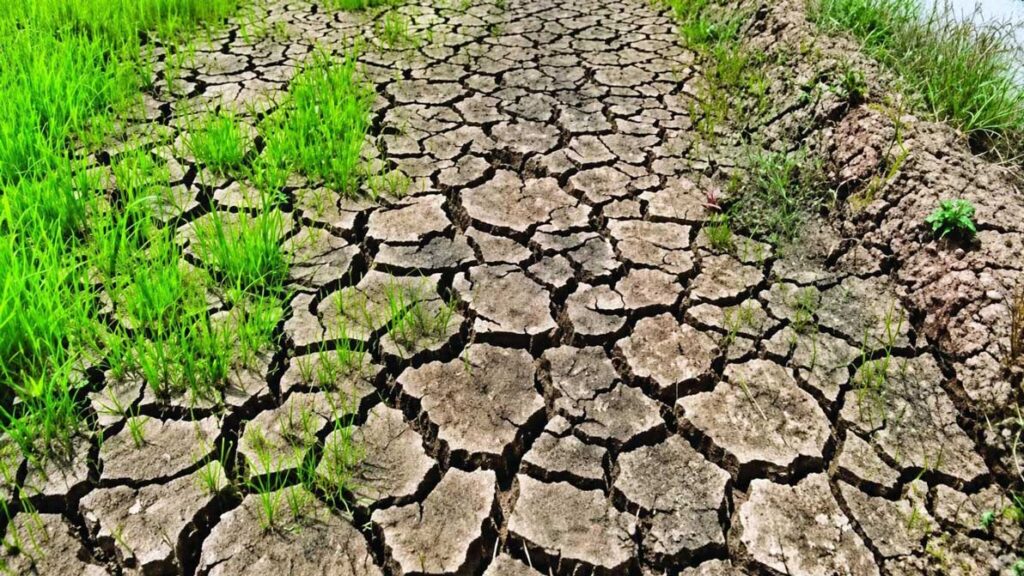
Imagine visiting Cebu and finding fresh vegetables, rice, fish, and other local food products becoming harder to produce because farms have received too little rain. For agricultural communities across the province, prolonged dry weather can create serious challenges for both livelihoods and the local food supply.
The Cebu Provincial Government is preparing for this possibility by proposing ₱354.82 million for agriculture in its 2027 budget. The funding is intended to support farmers and fisherfolk as the province prepares for the potential effects of Super El Niño, including water shortages, dry spells, and agricultural production losses.
The proposed agriculture allocation forms part of a larger ₱14.6-billion provincial budget submitted to the Provincial Board for review and approval. Governor Pamela Baricuatro has emphasized the importance of preparing Cebu’s food production sector for possible climate-related disruptions.
For residents, businesses, and visitors interested in Cebu beyond its beaches and tourist attractions, this development highlights another important part of provincial life: the people and industries responsible for producing food for local communities.
What the Proposed ₱354.82 Million Could Mean for Cebu
Agriculture remains closely connected to food availability and the livelihoods of communities throughout Cebu. Farmers depend on suitable growing conditions, while fisherfolk rely on access to productive fishing grounds and the equipment needed to sustain their work.
The proposed ₱354.82-million allocation for 2027 is intended to strengthen assistance for these sectors. According to reporting on the proposal, the allocation represents a 142 percent increase compared with the current agriculture budget used in that report’s comparison.
However, the amount is still proposed funding rather than a finalized appropriation. The Provincial Board must review and approve the provincial budget before the allocation can be treated as an approved spending plan.
The broader proposed budget totals ₱14.6 billion. Its agriculture component reflects the provincial government’s intention to prepare food producers for potential dry conditions while maintaining agricultural activities and supporting livelihoods.
Governor Baricuatro has linked the funding decision to the need to protect food security. The goal is to help farmers and fisherfolk cope with conditions that could affect their production, particularly if water becomes more difficult to obtain.
How Cebu Is Preparing Farms for Dry Conditions
Budget planning is only one part of the province’s preparations. The Provincial Agriculture Office has also outlined practical interventions involving water access, farm supplies, agricultural insurance, and equipment that can help producers manage difficult growing conditions.
Four small farm reservoirs have been constructed in Dalingding, Daanbantayan; Simala, Sibonga; Taba-ao, Tabogon; and Kantabogon, Aloguinsan. Each reservoir has a capacity of 115,000 liters, providing a concrete example of efforts to improve water availability for agricultural use.
The province has also secured 116 gasoline-powered water pumps rated at 5.5 kilowatts and 2,000 plastic drums, each capable of holding 200 liters. Additional assistance includes 20 sets of gas-powered water pumps with high-density polyethylene hoses and 25 walking-type agricultural tractors.
These resources address different needs. Reservoirs and storage containers can help communities manage available water, while pumps provide equipment for moving water where it is needed. Agricultural machinery can also assist farm operations.
Planting materials are another part of the preparations. The reported assistance includes 1.055 million sweet potato cuttings, 20,310 packs of assorted vegetable seeds, and 2,000 cacao seedlings. The province has also prepared 25,500 bags of organic fertilizer.
For households interested in supporting local food production, growing suitable vegetables at home can be a practical complementary measure. However, anyone planting during a dry period should consider local water availability and seek crop-specific advice from their municipal or city agriculture office.
Support for Fisherfolk and Agricultural Insurance
El Niño preparedness is not limited to crop production. Fishing communities also need support to protect their livelihoods and maintain food supplies when environmental conditions become more challenging.
Cebu’s reported interventions include the distribution of 212 payao, or fish aggregating devices, to cities and municipalities. The province also planned to distribute another 102 units, equivalent to two sets for each local government unit.
Other assistance includes 158,000 bangus fingerlings and 2,700 bags of bangus feeds. These resources are intended to support fisheries-related activities and help sustain production.
Agricultural insurance is another important measure. The provincial agri-fishery insurance program covers 39,649 farmers and includes rice, corn, banana, mango, coffee, cacao, cassava, vegetables, and fishing boats.
Under the reported program guidelines, the provincial government shoulders insurance premiums for qualified beneficiaries, with farmers cultivating three hectares or less prioritized. Provincial Agriculture Office chief Dr. Roldan Saragena previously reported that ₱34 million was allocated for the insurance program in 2026.
Farmers and fisherfolk who want to understand their eligibility should contact their municipal or city agriculture office. They should confirm the applicable requirements, enrollment procedures, and available assistance rather than assume that every producer automatically qualifies.
What Residents and Visitors Should Know
Although the proposed budget is primarily about agriculture, its progress is relevant to people who live in or travel around Cebu. Agricultural conditions can influence local livelihoods, food production, and the availability of resources needed by communities.
Visitors planning trips to Cebu should remember that the province includes more than its well-known coastal destinations. Places such as Daanbantayan, Sibonga, Tabogon, and Aloguinsan also feature in the province’s agricultural water-management efforts.
These locations should not be treated as tourist attractions solely because they appear in the agricultural program. Anyone planning to visit rural areas should check access arrangements, local conditions, and whether a particular site is open to visitors.
For residents, the most useful step is to follow official announcements from the Cebu Provincial Government, the Provincial Agriculture Office, and the Philippine Atmospheric, Geophysical and Astronomical Services Administration (PAGASA). These sources can provide updates on assistance programs and climate conditions.
Frequently Asked Questions
1. How much is Cebu proposing for agriculture in 2027?
The proposed allocation is ₱354.82 million. It forms part of the provincial government’s proposed ₱14.6-billion budget for 2027 and remains subject to review and approval by the Provincial Board.
2. What assistance may be available to farmers and fisherfolk?
Reported interventions include agricultural insurance, water pumps, farm reservoirs, planting materials, fertilizer, machinery, fish aggregating devices, bangus fingerlings, and feeds. Availability and eligibility depend on the specific program and its implementation.
3. Where can farmers check for assistance?
Farmers and fisherfolk can contact their municipal or city agriculture office for information about current programs, application requirements, and enrollment schedules. They can also monitor announcements from the Cebu Provincial Government and its Provincial Agriculture Office.
What Happens Next for Cebu’s Agriculture Sector?
The next important step is the Provincial Board’s review of the proposed 2027 budget. Approval and implementation will determine how the proposed allocation translates into actual assistance for agricultural communities.
Meanwhile, residents can prepare by conserving water where practical, following official weather advisories, and checking government announcements before making decisions about farm production or agricultural assistance. Producers should seek guidance on drought preparedness and suitable crops from local agricultural officers.
Cebu’s preparations demonstrate why water management, agricultural equipment, insurance, and support for food producers matter when dry conditions threaten livelihoods. As the budget process continues, the key issue will be how effectively approved resources reach the communities that need them most.
For the latest developments, check official provincial announcements and PAGASA advisories before making plans based on expected weather conditions. The proposed funding is an important planning measure, but its eventual impact will depend on approval, implementation, and the needs of Cebu’s farmers and fisherfolk.