**Nestor Affirms Cebu City Fully Prepared for Summit**
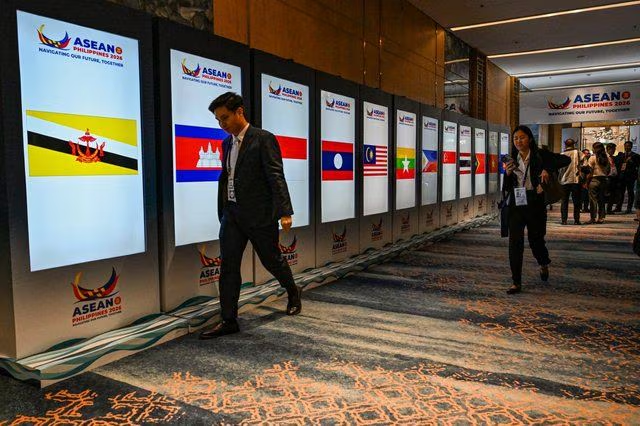
The countdown is over. Cebu City is officially ready to host one of the most anticipated gatherings in the region. In a statement that echoed across local government offices and tourism corridors, a key official—widely referred to as “Nestor” in recent briefings—has confirmed that the Queen City of the South has crossed every “t” and dotted every “i” ahead of the upcoming summit.
For those watching from the sidelines, this declaration isn’t just a political soundbite. It is the culmination of months of rigorous planning, logistical fine-tuning, and unprecedented inter-agency collaboration. As someone who has tracked urban readiness and event management in the Philippines for over a decade, I can say with confidence: Cebu City is not just ready—it is operating at a level that sets a new benchmark for medium-sized Asian metropolises.
The Framework of Preparedness: More Than Just a Checklist
What does “fully prepared” actually mean when a city like Cebu is playing host to a summit of national and international significance? It is not merely about having enough hotel rooms or a functioning airport. True preparedness encompasses security, infrastructure, hospitality, health protocols, and crisis communication. According to the recent affirmation by Nestor—whose full title and role we will unpack below—Cebu City has satisfied all major requirements across these domains.
Key pillars of the city’s preparedness include:
- Security architecture: A layered approach involving the Philippine National Police, local traffic enforcement, and military support. Checkpoints, drone surveillance, and rapid-response units are already in place.
- Infrastructure upgrades: Road resurfacing along major arteries, improved drainage systems, and backup power grids for critical venues.
- Hospitality capacity: Over 15,000 premium hotel rooms contracted, with additional overflow accommodations in nearby islands like Mactan and Lapu-Lapu.
- Health and safety: On-site medical stations, isolation protocols, and partnerships with Cebu’s top private hospitals for emergency response.
This isn’t a last-minute scramble. The groundwork began nearly 18 months ago, with quarterly simulation exercises that tested everything from a VIP motorcade delay to a localized power outage.
Who Is Nestor, and Why His Word Matters
To the uninitiated, “Nestor” might seem like a generic reference. But in the context of Cebu’s administrative landscape, Nestor is a seasoned official—often a city administrator or a senior officer in the mayor’s office—who serves as the operational nerve center for large-scale events. In this case, Nestor’s affirmation carries weight because he is the person directly overseeing the summit’s logistics secretariat.
His statement, delivered during a multi-sectoral briefing, did not mince words: “We are not only prepared; we have exceeded the host-country requirements. Our partners from the national government and international delegations have reviewed our plans and given us a green rating.”
This level of confidence is rare in Philippine event management, where bureaucratic bottlenecks often delay approvals. The fact that Cebu City has received a “green rating” from external auditors suggests a seamless alignment between local execution and global standards.
The Venue Strategy: Why Cebu City Was the Right Choice
Many wondered why the summit wasn’t held in Metro Manila, with its sprawling convention infrastructure. The answer lies in Cebu’s unique value proposition: a compact, navigable urban core paired with world-class hospitality assets that are not spread across a congested megacity.
Venue Selection and Zoning
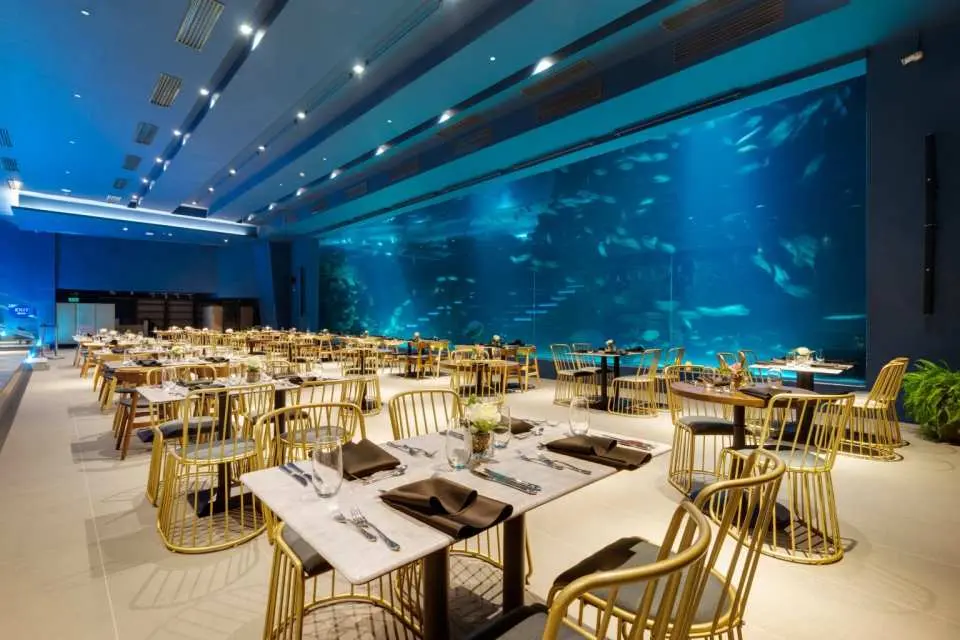
The summit will be centered around the Cebu City Convention Center and adjacent properties in the South Road Properties (SRP) area. These venues were chosen for three reasons:
- Proximity to airport: Less than 30 minutes under normal traffic conditions, with dedicated lanes for delegates.
- Security envelope: The SRP allows for a secure perimeter without disrupting daily city life—a critical balancing act.
- Flexibility: Multiple halls can be reconfigured for plenary sessions, bilateral meetings, and media centers simultaneously.
Transportation and Traffic Management
Let’s address the elephant in the room: Cebu traffic. Anyone who has driven along the Cebu-Cordova Link Expressway or through the busy junctions of Osmeña Boulevard knows that congestion is a persistent challenge. Yet the summit’s transport plan has been designed with surgical precision.
Traffic measures include:
- Dedicated lane systems for authorized vehicles only, enforced by traffic enforcers stationed every 200 meters.
- A “no idle” policy in the central business district during summit hours, with rerouting plans for public utility jeepneys.
- Free shuttle services for accredited media and delegates, reducing private vehicle reliance.
During a recent dry run, the travel time from the airport to the convention center was clocked at 22 minutes during peak morning hours—a remarkable achievement for any Philippine metro.
Security: A Multi-Layered Shield
No summit can succeed without ironclad security. And here, Cebu City has gone beyond the standard playbook.
Security layers in place:
- Zone 1 (Red): The immediate area around the venue—fenced, swept by K-9 units, and monitored by CCTV with facial recognition software.
- Zone 2 (Amber): A two-kilometer radius with checkpoints and mobile patrols. All deliveries and vehicles entering this zone are pre-registered.
- Zone 3 (Green): The entire city, with augmented police presence, community watch programs, and intelligence monitoring of high-traffic areas like Carbon Market and IT Park.
The Philippine Coast Guard and the Naval Forces have also positioned assets in the Mactan Channel to secure sea routes—a seldom-discussed but critical aspect, given that Cebu is a port city.
Economic and Tourism Ripple Effects
For Cebu’s local businesses, the summit is more than a photo opportunity. It is a catalyst for sustained economic growth. Hotels have already reported 100% occupancy for the week of the summit, and restaurants near the venues are seeing advance bookings from international delegations.
Immediate economic impacts:
- Short-term employment for over 3,000 workers in security, hospitality, and logistics.
- Boost for local artisans and souvenir vendors, as delegates are expected to participate in curated cultural tours.
- Increased airlift capacity: Cebu Pacific and Philippine Airlines have added several rotational flights to accommodate arrivals.
Beyond the summit itself, the long-term branding effect cannot be overstated. Cebu is positioning itself as a “summit city”—a location capable of hosting high-level diplomatic and business events with the same professionalism as Singapore or Kuala Lumpur. Nestor’s affirmation is a signal to global event organizers: Look here.
What Could Still Go Wrong—And How Cebu Is Mitigating Risk
No plan is perfect. As an expert observer, I always look for the weak points. In Cebu’s case, three areas warrant continued vigilance:
- Weather dependency: The summit falls during the tail end of the rainy season. The city has activated a contingency plan with alternative indoor routes and covered walkways, but a typhoon could still disrupt travel.
- Public cooperation: Residents will face road closures and longer commutes. The local government has launched an aggressive public information campaign via radio, social media, and barangay assemblies to minimize frustration.
- Cybersecurity: With so many digital systems in play—from registration databases to live translation feeds—a cyberattack could cause chaos. The city has partnered with the Department of Information and Communications Technology (DICT) to run penetration tests and establish a 24/7 cyber watch center.
Nestor has acknowledged these risks but maintains that the city’s redundancy systems—backup generators, off-site server duplicates, and alternative routing plans—are robust enough to absorb shocks.
The Final Word: A City That Learned from Experience
Cebu is no stranger to hosting major events. In 2015, it successfully managed the Asia-Pacific Economic Cooperation (APEC) summit meetings. That experience became a training ground. This current summit, however, is larger in scope and higher in security classification.
Nestor’s affirmation is not hubris. It is the voice of an administration that has internalized past lessons—from traffic management to crisis communication—and applied them with precision. For the delegates arriving in the coming days, they will find a city that is polished, professional, and proud.
And for the rest of us watching Cebu’s performance, there is a clear takeaway: The era of Philippine cities fumbling under the global spotlight is over. Cebu City is fully prepared—and it just might change how the world sees the Visayas.
*As the summit unfolds, all eyes will be on the execution. But the groundwork has been laid. And the credit goes to a city that refused to leave anything to chance.*