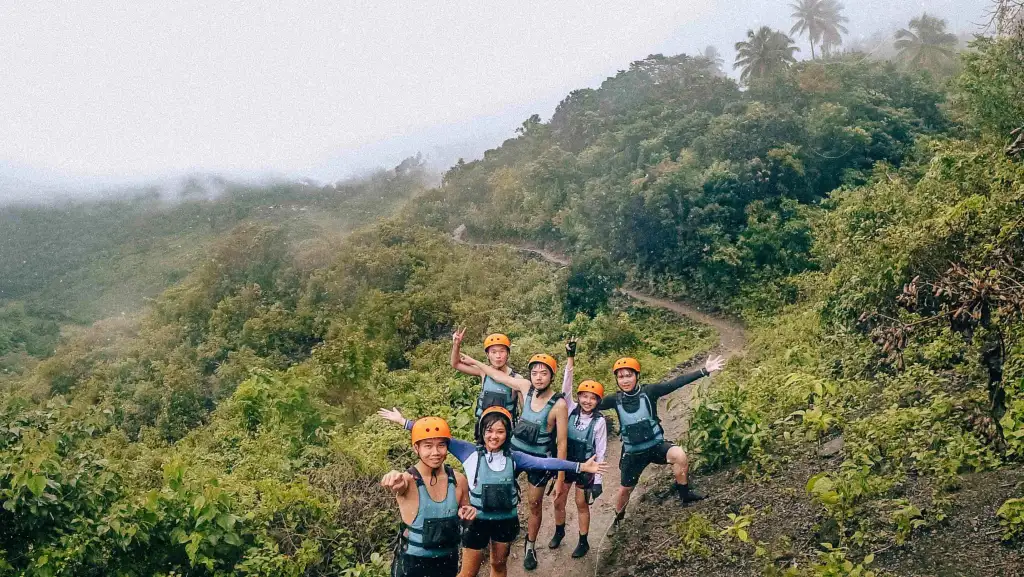
Cebu’s New Hiking Trails: A Guide for the Modern Outdoor Adventurer
For years, the conversation around Philippine hiking has been dominated by Luzon’s Cordillera region and the volcanoes of Mindanao. But the landscape is shifting. The recent unveiling of a new set of stunning hiking trails in Cebu signals that the Visayas is ready to compete for the spotlight. This isn’t just about adding another checkbox for tourists; it’s a deliberate move to develop sustainable outdoor recreation infrastructure in one of the country’s most dynamic provinces.
As an outdoor guide who has spent years navigating tropical terrain, I can tell you that this announcement is significant. Cebu has always offered high reward for effort—short approaches leading to panoramic views of the sea and limestone peaks. However, many of the best routes were informally maintained by local barangays. The new trail system changes the game by providing official, safer, and more environmentally conscious pathways.
Why Cebu? The Unique Appeal of Tropical Highland Hiking
Before we dive into the specifics of the new routes, it is crucial to understand what sets Cebu apart from other hiking destinations. The province offers a distinct microclimate. Unlike the misty pine forests of the north, Cebu’s trails take you through karst limestone formations, secondary tropical forests, and open grassland plateaus.
Elevation vs. Accessibility
The trails in this new network are designed with a focus on accessibility. While you won’t find 2,000-meter peaks here, you will find routes that offer a serious cardio workout in a compact package. The recent development prioritizes trail markers, rest stations, and proper drainage systems, which were sorely lacking on older, illegal trails.
Breaking Down the New Trail Network: What Was Unveiled?
Based on the recent announcements from local tourism and environment offices, the new system focuses on three distinct corridors. Each offers a different flavor of adventure. This is not a single path, but a network connecting existing barangays and summits.
The Southern Corridor: Sea-to-Summit Views
This section is the highlight for photographers. It runs through the municipalities of Dalaguete and Alcoy, areas already famous for the Mantalongon range. The new trail here bypasses the heavily trafficked “Mothers” route and opens up a less technical ridgeline. Expect to see the Cebu Strait shimmering in the distance and Bohol on a clear day.
– Trail Type: Ridge hiking with moderate elevation gain.
– Key Feature: A newly constructed viewpoint platform at the midway point.
– Difficulty: Intermediate. The trail is well-marked, but the sun exposure is intense.
The Central Highlands: Forest Immersion
Located near the watershed areas of Balamban and Toledo City, this trail is a game-changer for those seeking cover from the tropical heat. The local government has invested heavily in reforestation efforts here. You will walk through established mahogany plantations and native tree corridors. This is the most bio-diverse section of the network.
The Northern Frontier: The Adventurer’s Challenge
Let’s be honest—the north of Cebu has been an under-explored gem. This new trail, cutting through Catmon and Carmen, is for the purist. It involves river crossings and steep, eroded limestone steps. In my professional opinion, this is where you find the most authentic “Philippine jungle” experience. It is not a controlled park. It is raw terrain.
Essential Logistics for Tackling Cebu’s New Trails
An “expert tone” means knowing what to expect beyond the beautiful photos. The announcement has generated buzz, but the logistics require planning. Here is the practical breakdown.
Seasonality and Weather Windows
The primary window for these trails is the dry season from January to May. However, the central highlands trail is actually best in the early rainy season (June-July) when the waterfalls are flowing. Avoid October to December unless you are comfortable with muddy descents and potential trail closures due to landslides.
Gear Checklist
Because these trails are in limestone country, your equipment needs are specific. Do not bring trail runners with low tread; the limestone can be razor-sharp.
– Footwear: Stiff-soled hiking boots with deep lugs are non-negotiable.
– Hydration: Minimum 2 liters. The water sources are marked on the new maps, but treat everything.
– Navigation: Even with new markers, carry a downloaded GPS map. Cell service is spotty in the ravines.
– Sunscreen: UPF 50+. The southern corridor offers zero shade in the afternoons.
Local Guide Requirement
This is a critical point. While the trails are “unveiled,” the Department of Tourism and local LGU’s are enforcing a mandatory guide policy for the northern frontier trail. This is not a cash grab. It is a safety protocol. The terrain is complex, and local guides know the water crossing points that swell during flash floods.
Environmental Impact and Responsible Adventure
The unveiling of these trails is a double-edged sword. As an experienced hiker, I have seen beautiful places ruined by a sudden influx of unprepared visitors. The local governments in Cebu are aware of this. They have implemented a strict “Leave No Trace” check-in policy.
What You Must Do
– Pack out all trash. There are no garbage bins on the trails.
– Stay on the marked path. The limestone ecosystem is fragile; plant life takes decades to regenerate.
– Respect the watershed. Do not use soap or detergent in streams, even biodegradable ones. The water source feeds local rice paddies.
How to Book and Get There
Planning is easier than ever. The Provincial Tourism Office has launched a centralized portal for guide bookings for these three new corridors.
Step-by-Step Plan
1. Fly or ferry to Cebu City.
2. From the Cebu South Bus Terminal, take a bus labeled “Bato via Barili” or “Oslob” to reach the southern corridor. Travel time is roughly 2.5 to 3 hours.
3. For the northern corridor, take a bus from the North Bus Terminal heading to “Hagnaya” or “Bogo City.”
4. Contact the Cebu Adventure Tourism Association at least 48 hours in advance to secure your accredited guide.
The Verdict: Is It Worth the Hype?
Yes, but with a caveat. If you are expecting the scale of Mt. Pulag or the technical rock of Mt. Apo, you will be disappointed. However, if you are a trail runner looking for technical limestone ridges, a photographer wanting tropical seascapes, or a weekend warrior seeking a well-managed, safe outdoor experience, these new Cebu trails are arguably the best new offering in the Visayas region right now.
The key is to go with the right mindset: curiosity for nature, respect for local culture, and preparedness for tropical conditions. The Cebu trail network is not just a path through the mountains; it is a statement that the Philippines is moving toward more intelligent, sustainable adventure tourism. Lace up your boots, hydrate, and get on the bus. The highlands are calling.