Cebu Philippines: Gateway to Asian Culture and Commerce
Cebu Philippines showcases island culture, trade, and tourism at major Asian expo event
Cebu Philippines Takes Center Stage at Asia’s Premier Trade Expo
When most people think of the Philippines, they imagine pristine beaches and tropical islands. But Cebu is proving there’s much more to discover on this vibrant island. Recently, the 23rd Caexpo in China thrust Cebu into the spotlight as a major player in Asian commerce and cultural exchange. This wasn’t just another trade show—it was a moment for the world to see what makes Cebu Philippines such a compelling destination for travelers and business leaders alike.
The Caexpo appearance signals something important: Cebu is positioning itself as more than a tourist hotspot. It’s becoming a cultural ambassador and economic hub that bridges traditions with modern innovation. For travelers planning their next adventure, this means the island offers layers of experience beyond the typical resort visit.
What Makes Cebu Philippines a Unique Travel Destination
Cebu’s appeal lies in its ability to blend history, commerce, and natural beauty seamlessly. The island has been a trading hub for centuries, which explains why it attracts interest from major international expos. This commercial heritage means the island has excellent infrastructure, diverse dining options, and accommodations catering to all budgets.
Walking through Cebu City, you’ll notice Spanish colonial architecture standing alongside modern shopping centers. This architectural contrast tells the story of an island that respects its past while embracing the future. The Magellan’s Cross and the Basilica Minore del Sto. Niño are tangible reminders of centuries-old traditions that still influence local life.
Beyond the city, Cebu Philippines offers stunning natural attractions. Oslob’s whale sharks, Moalboal’s sardine runs, and pristine white-sand beaches in Bantayan Island showcase the environmental treasures that make the region special. These aren’t just Instagram-worthy spots—they represent genuine ecosystems that have drawn marine enthusiasts for decades.
Cultural Heritage That Tells Cebu’s Story
The global spotlight at Caexpo highlights something travelers often overlook: Cebu’s rich cultural tapestry. The island’s history spans indigenous Cebuano traditions, Spanish colonial influence, and modern Filipino culture. This layering creates an experience where past and present coexist naturally.
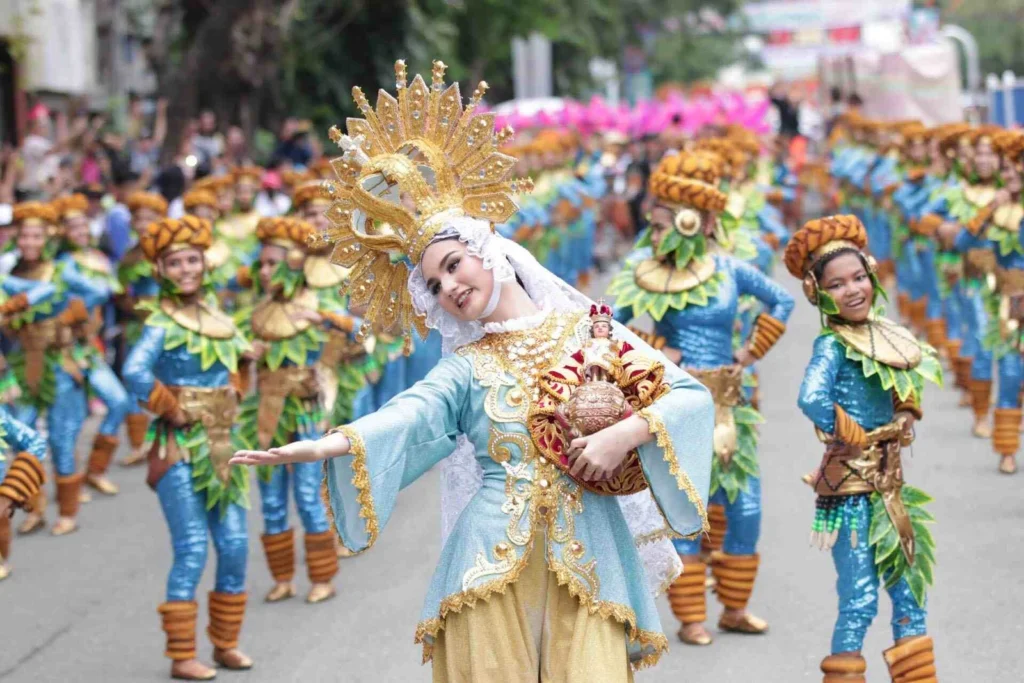
Local festivals like Sinulog celebrate this cultural fusion with street parades, traditional dances, and community gatherings that draw visitors from around the world. Participating in or witnessing these celebrations gives travelers insight into how Cebuanos express their identity and values. The festival isn’t performed for tourists—it’s a genuine expression of local pride.
Food is another cultural bridge worth exploring. Cebuano cuisine reflects centuries of trade and cultural exchange. Lechon (roasted pig), dried fish, and local delicacies tell stories of agricultural traditions and family recipes passed down through generations. Eating at local carinderias (small eateries) rather than tourist restaurants offers more authentic flavors and more affordable prices.
Practical Travel Guide for Visiting Cebu Philippines
Getting to Cebu is straightforward. The island has a major international airport (Mactan Cebu International Airport) with flights from major Asian hubs and beyond. From the airport, you can reach the city center via taxi, ride-sharing apps, or shuttle services. Most travelers spend 3-5 days exploring the island, though longer stays reveal more hidden gems.
The best time to visit Cebu is during the dry season, roughly November through May, when rainfall is minimal and water visibility for diving and snorkeling is excellent. The island is relatively accessible year-round, but timing your visit around dry months makes outdoor activities more enjoyable.
Transportation within Cebu includes tricycles (motorized three-wheelers), jeepneys (colorful public buses), and ride-sharing apps. For island-hopping to nearby destinations like Moalboal or Bantayan, you’ll find ferry services and private boat rentals. Most ferries depart from South Bus Terminal, which is easy to reach from the city.
Accommodation ranges from luxury resorts to budget hostels. Cebu City offers convenient central locations, while beach towns provide more relaxed atmospheres. Consider staying in different areas if you plan a longer visit—the island is large enough that multiple bases make sense for exploring different regions efficiently.
Why International Recognition Matters for Travelers
Cebu Philippines’ presence at major trade expos like Caexpo isn’t just about business. It signals improved infrastructure, growing investment in tourism facilities, and stronger international connectivity. For travelers, this translates to better flights, more dining and accommodation options, and enhanced services across the island.
When destinations gain international attention, they typically improve their hospitality standards and accessibility. Cebu is experiencing this positive cycle. New restaurants, updated transportation options, and better tourist information services are becoming more common. At the same time, the island maintains its authentic character and local charm.
This international recognition also means increased cultural exchange. Visitors to Cebu aren’t just taking experiences away—they’re bringing global perspectives to a community eager to share its story. This two-way exchange benefits both travelers and locals.
Planning Your Cebu Philippines Adventure
Before booking your trip, check the current travel requirements and vaccinations recommended for the Philippines. While Cebu is generally safe for tourists, exercise standard travel precautions like avoiding isolated areas at night and keeping valuables secure. The island’s developed tourism infrastructure means most travelers navigate safely without issues.
Budget planning depends on your travel style. Budget travelers can spend as little as $30-50 daily on accommodations, food, and activities. Mid-range travelers typically spend $75-150 daily. Luxury travelers can spend significantly more. Food costs are generally low—a satisfying meal at a local restaurant often costs under $5.
Consider purchasing travel insurance that covers medical emergencies and trip disruptions. The island has quality private hospitals, but insurance provides peace of mind. Also, bring reef-safe sunscreen if you plan water activities—local marine ecosystems deserve protection.
Common Questions About Visiting Cebu
What language is spoken in Cebu Philippines? The primary language is Cebuano, but Filipino and English are widely spoken, especially in tourist areas and among younger residents. Learning a few Cebuano phrases enhances interactions with locals.
Is Cebu safe for solo travelers? Yes, Cebu is considered safe for solo travelers, particularly in established tourist areas. Using common sense—staying aware of surroundings, avoiding displays of expensive items, and trusting your instincts—makes solo travel here manageable and rewarding.
What should I pack for Cebu? Pack lightweight, breathable clothing for the tropical climate, comfortable walking shoes, reef-safe sunscreen, and a reusable water bottle. A light rain jacket is useful during the rainy season. Most essential items are available locally if you forget something.
As Cebu Philippines continues gaining international recognition through events like Caexpo, the island offers travelers an increasingly polished yet authentically Filipino experience. Whether you’re interested in natural wonders, cultural heritage, or simply enjoying tropical island life, Cebu deserves a spot on your travel itinerary. Start planning your trip by researching specific activities that match your interests—beach time, diving, cultural tours, or urban exploration—and watch this dynamic island reveal why it’s becoming a must-visit Asian destination.