Cebu Tourism Development Aims to Connect More Visayas Destinations
Imagine arriving at Mactan-Cebu International Airport and discovering that your trip does not have to end in Cebu. With better connections between islands, travelers could combine city sightseeing, beach escapes, cultural attractions, and local food experiences into one convenient Visayas adventure.
This is the idea behind a regional tourism initiative involving Cebu business chambers, tourism organizations, and Aboitiz InfraCapital Cebu Airport Corporation. The partners want to make Cebu a gateway to other Visayas destinations while helping local businesses benefit from the visitors who pass through the region.
The action plan was presented during the 52nd Philippine Business Conference and Exposition at The Manila Hotel on October 14, 2026. It focuses on turning individual attractions into coordinated travel experiences that encourage visitors to explore more places and spend money within local communities.
How the Discover the Visayas Campaign Works
The initiative centers on Discover the Visayas, #FlyViaCebu, a campaign led by the Visayas Island-Chambers Tourism Alliance (VITA) in partnership with the Department of Tourism (DOT), the Philippine Chamber of Commerce and Industry (PCCI), and Aboitiz InfraCapital Cebu Airport Corporation, the operator of Mactan-Cebu International Airport (MCIA).
Rather than promoting each destination separately, the campaign aims to connect attractions across several islands through coordinated itineraries. Cebu would serve as an important entry point, while participating destinations contribute their own experiences, accommodations, dining options, and activities.
The business alliance includes chambers and destinations across Cebu, Bohol, Leyte, Samar, Negros, and Panay. This creates opportunities to develop trips that extend beyond a single city or island, provided transportation and tourism services can be coordinated effectively.
For example, a traveler could plan a Cebu stay alongside visits to other participating destinations. The exact itinerary would depend on available flights, ferry connections, accommodation, and the experiences offered by participating businesses.
VITA chairman and Philippine Chamber of Commerce and Industry Lapu-Lapu president Anthony Noel has emphasized the importance of converting improved air connectivity into longer stays and greater spending at local establishments. The alliance’s role is to help develop tourism products, promote destinations, and prepare businesses to serve travelers.
Why Local Businesses Are Central to Cebu’s Tourism Plans
A successful tourism destination needs more than an airport and attractive scenery. Hotels, restaurants, craft sellers, transport operators, tour providers, and other enterprises must work together to make the visitor experience convenient and worthwhile.
The proposed strategy encourages business chambers to organize their members and identify experiences that can be included in travel packages. These may include accommodation, dining, local products, transportation, and activities that reflect the character of each destination.
For smaller businesses, inclusion in a coordinated itinerary could create opportunities to reach travelers who might otherwise overlook their products or services. A restaurant or craft shop, for instance, could gain exposure when it becomes part of a broader destination experience promoted through participating tourism partners.
The plan also calls for chambers to work with municipal and provincial governments. By using route information from MCIA, business groups can discuss how festivals, infrastructure improvements, and local policies might support tourism routes and make destinations easier to visit.
Another priority is cooperation beyond tourism promotion. Connections among chambers could support trade missions, business-to-business exchanges, and investment presentations, allowing the initiative to contribute to wider economic activity.
These outcomes are goals rather than guaranteed results. The benefits will depend on whether businesses participate, travel products become available to book, and visitors choose to spend time and money in the communities included in the program.
Mactan-Cebu International Airport as a Regional Gateway
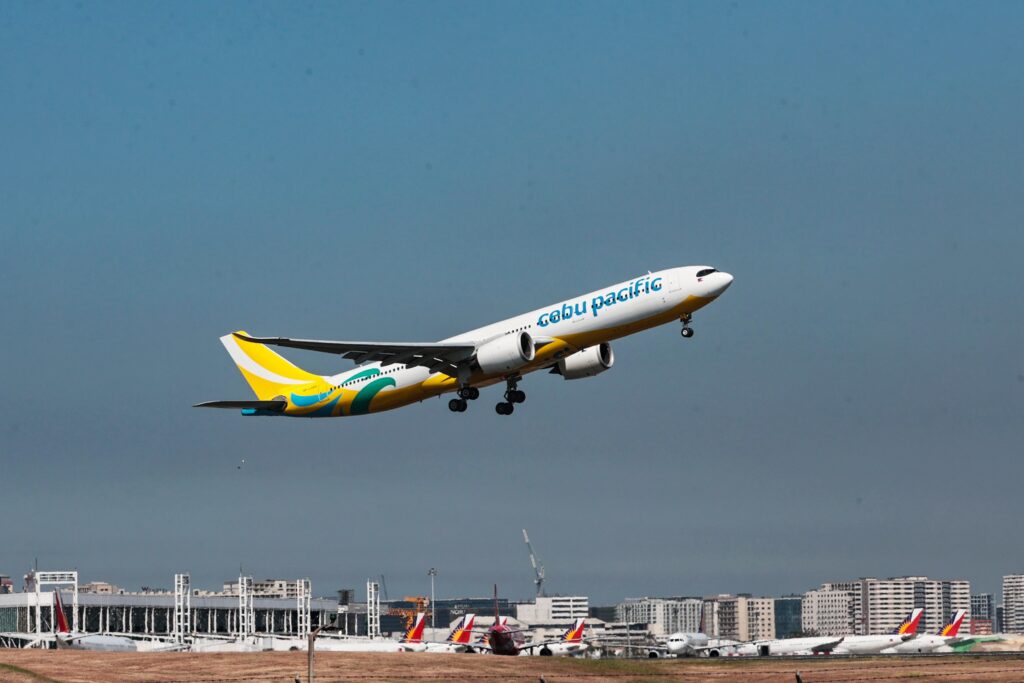
Air connectivity is a major part of the plan because travelers need convenient ways to reach Cebu before continuing to other destinations. MCIA provides the airport infrastructure through which the partners hope to attract visitors and connect them with experiences throughout the Visayas.
According to figures presented during the regional tourism discussion, MCIA handled 11.6 million passengers in 2025, an increase of nearly 3 percent compared with the previous year. International passenger traffic also rose by 18.4 percent during the first half of 2026.
The presentation indicated that the airport was scheduled to serve 28 domestic and 17 international destinations beginning in November 2026. These figures illustrate the potential reach of Cebu’s air connections, although passenger traffic alone does not guarantee that travelers will visit other islands or spend more money locally.
The partners are also looking at ways to reduce friction when passengers connect between flights. According to the presentation, ACAC’s CEB Connects service reduces domestic connecting time to 35 minutes.
For travelers, the practical lesson is to check flight schedules, connection conditions, and transfer arrangements before booking a multi-destination holiday. A short connecting time may be useful, but passengers should confirm the applicable requirements for their particular itinerary rather than assume every connection will be seamless.
Air travel is only one part of the journey. Coordinating onward transportation, accommodation, and activities will be essential if the campaign is to make cross-island trips easier to plan and complete.
What the Tourism Partnership Means for Visitors
The campaign is designed to make the Visayas feel more connected as a travel region. Instead of treating every island as a separate holiday, travelers could have more opportunities to discover several destinations through related itineraries and coordinated promotions.
The Department of Tourism is expected to contribute destination marketing, tourism circuit development, and capacity-building activities. VITA and local business chambers will help organize enterprises and develop tourism products, while the airport operator supports air connectivity and passenger transfers.
Online travel platforms Klook and Trip.com also provide booking channels through the Discover the Visayas website, discoverthevisayas.com. Travelers can check the platform for available offerings and confirm the actual terms, dates, and inclusions before making reservations.
For visitors, a more coordinated tourism network could make it easier to discover activities beyond Cebu’s best-known attractions. For businesses, it offers a framework for reaching new customers and collaborating with partners in other destinations.
Still, travelers should make decisions based on confirmed services rather than assuming every proposed route or package is already available. Check transport schedules, cancellation policies, travel times, and accommodation availability before committing to a multi-island trip.
Frequently Asked Questions About Cebu Tourism Development
1. What is Discover the Visayas, #FlyViaCebu?
It is a regional tourism campaign led by VITA with the Department of Tourism, PCCI, and Aboitiz InfraCapital Cebu Airport Corporation. It aims to connect destinations through Cebu and promote coordinated travel experiences across the Visayas.
2. Which destinations are included in the business alliance?
The alliance includes chambers and destinations across Cebu, Bohol, Leyte, Samar, Negros, and Panay. The specific places available on a trip will depend on the itineraries and services offered by participating partners.
3. How can travelers plan a multi-island trip through Cebu?
Start by checking flights to Cebu, then review available onward transport, accommodation, and bookable activities. Visit discoverthevisayas.com to explore campaign offerings, and confirm schedules and booking conditions directly with the relevant providers.
As the partnership develops, the next step will be turning regional cooperation into practical itineraries that travelers can actually book and enjoy. Anyone planning a Cebu holiday should watch for confirmed packages and transport updates, while local businesses can explore opportunities to join tourism circuits and collaborate with neighboring destinations.