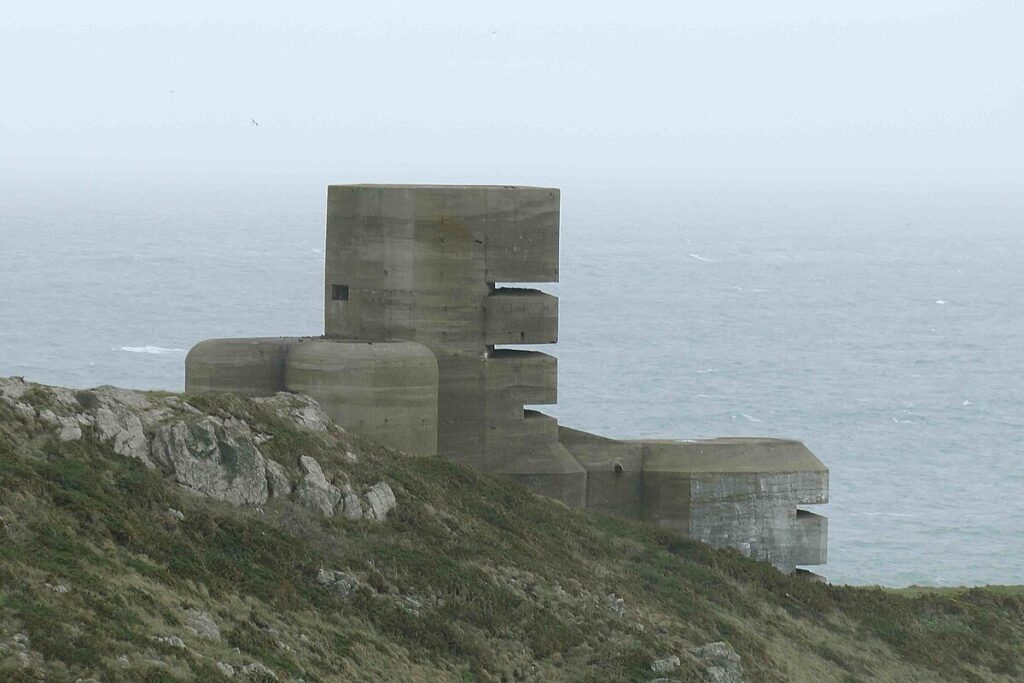
Guernsey’s coastline is marked by imposing concrete sea defences, remnants of Hitler’s Atlantic Wall constructed during World War II. These fortifications remain as a stark reminder of the island’s wartime history and offer visitors a unique opportunity to explore military architecture set against scenic coastal landscapes. For travelers following the Guernsey travel guide, these concrete structures provide both historical insight and visual intrigue.
Historical Background
During the German occupation of the Channel Islands from 1940 to 1945, Guernsey was heavily fortified to resist Allied invasion. Concrete sea defences, bunkers, gun emplacements, and other military installations were built along the coastline as part of Hitler’s Atlantic Wall, a massive network of fortifications stretching along Europe’s western coast. The defences were designed to prevent amphibious landings and provide strategic control over the surrounding waters. Today, these structures serve as tangible evidence of the island’s wartime experiences.
Architectural Features
The concrete sea defences and associated bunkers exhibit the functional and utilitarian design typical of wartime engineering. Massive reinforced concrete walls, pillboxes, and gun emplacements were constructed to withstand bombardment and provide defensive firing positions. Many of the structures feature narrow observation slits, thick walls, and strategic placements overlooking beaches and cliffs. Walking among these remnants, visitors can appreciate the scale, design, and historical purpose of these coastal fortifications.
Cultural and Historical Importance
The Atlantic Wall in Guernsey is not only a symbol of military strategy but also a reminder of the human experiences during the occupation. Local communities were affected by forced labor, restricted movement, and the presence of occupying troops. Visiting the concrete sea defences provides insight into the island’s resilience and history, offering context for the broader events of World War II. Many of the structures are preserved and interpreted for educational purposes, allowing travelers to understand both the engineering and the historical significance of these sites.
Scenic Coastal Surroundings
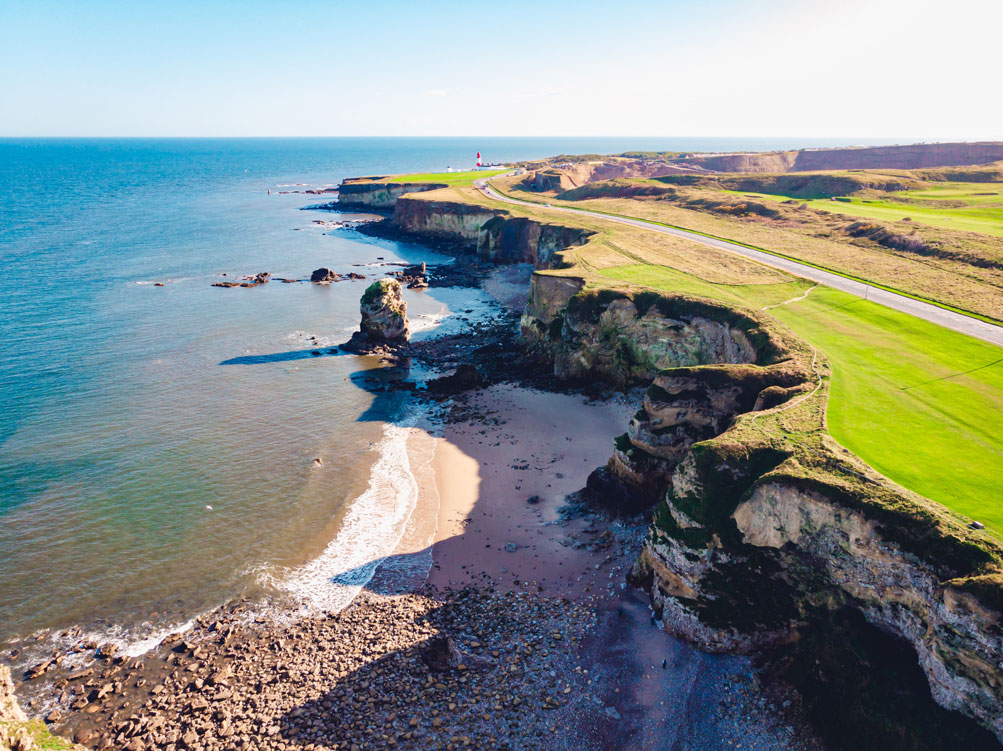
The concrete sea defences are often located in visually striking parts of Guernsey, including cliff tops and coastal stretches with panoramic views. Visitors can combine historical exploration with appreciation of the island’s natural beauty. The juxtaposition of harsh concrete structures against rugged cliffs, beaches, and the Atlantic Ocean creates a dramatic and memorable experience. Photographers and history enthusiasts alike will find the coastal landscapes surrounding the fortifications particularly captivating.
Walking Trails and Exploration
Many of the Atlantic Wall sites are accessible via walking trails connecting various coastal points. Visitors can explore bunkers, pillboxes, and other defensive structures while enjoying the island’s countryside and seascapes. Trails are suitable for most fitness levels, with some routes offering elevated viewpoints of the coast. Walking along these historic paths allows travelers to contextualize the strategic positioning of the defences and appreciate the effort required to construct such extensive fortifications during wartime.
Visitor Experience
Visiting Guernsey’s concrete sea defences is both educational and immersive. Information boards and guided tours provide context about the construction, purpose, and historical events associated with the Atlantic Wall. Visitors can learn about the engineering challenges, the soldiers stationed there, and the impact on local populations. The combination of history, architecture, and natural beauty ensures an engaging experience for history enthusiasts, families, and solo travelers alike. Photography, historical exploration, and coastal walks are common activities for visitors.
Accessibility and Travel Tips
Concrete sea defences are accessible by car, bicycle, or walking from nearby villages and parking areas. Some sites involve uneven terrain and stairs, so comfortable footwear is recommended. Early morning or late afternoon visits are ideal for both photography and quieter exploration. Visitors are encouraged to respect the structures and surrounding environment, as these historical monuments are preserved for educational and cultural purposes. Detailed itineraries and practical tips for visiting these and other historical sites in Guernsey can be found in the Guernsey travel guide.
Nearby Attractions
The Atlantic Wall fortifications are located near other historical and scenic sites, including beaches, cliff paths, and local villages. Visitors can combine a trip to the concrete sea defences with exploration of World War II museums, coastal walks, and other historical landmarks, creating a comprehensive day of history and natural sightseeing. The proximity to multiple attractions makes these sites an integral part of a broader Guernsey itinerary.
Final Thoughts
Guernsey’s concrete sea defences, part of Hitler’s Atlantic Wall, provide a unique opportunity to explore the island’s wartime history. Their impressive construction, historical significance, and coastal settings create a memorable experience for travelers. Walking among these fortifications allows visitors to connect with Guernsey’s past, appreciate the strategic military engineering, and enjoy stunning views of the Atlantic coastline.
Including Guernsey’s concrete sea defences in your travel plans ensures a deep and engaging understanding of the island’s World War II heritage, making them an essential stop for history enthusiasts and curious travelers alike.