El Niño May Tighten Cebu Water and Food Supply
El Niño climate patterns could restrict water and food availability in Cebu, Philippines. Learn how this impacts the island and what residents and visitors should know.
Understanding El Niño’s Impact on Cebu’s Water and Food Supply
When meteorologists issue warnings about “very strong” El Niño conditions, the people of Cebu sit up and listen. The Philippine Atmospheric, Geophysical and Astronomical Services Administration (PAGASA) has flagged concerns that intensifying El Niño patterns could significantly tighten both water and food supplies across the island. This isn’t merely academic climate talk—it’s a real issue that affects everything from household water rationing to agricultural yields that feed hundreds of thousands of residents.
El Niño occurs when ocean temperatures in the eastern Pacific Ocean warm abnormally, triggering global weather pattern shifts. For Cebu, this typically translates into reduced rainfall during what should be wet seasons, prolonged dry spells, and strain on freshwater resources. The Visayas region, where Cebu is located, becomes particularly vulnerable because the island’s water management infrastructure relies heavily on consistent rainfall.
Understanding how El Niño tightens Cebu’s water supply requires looking at the island’s geography and infrastructure. Cebu depends on a combination of groundwater, surface reservoirs, and imported water from neighboring islands. When El Niño reduces rainfall, all three sources face depletion simultaneously—a perfect storm for water scarcity.
How Water Supply Gets Squeezed During Strong El Niño
PAGASA’s warning about a “very strong” El Niño means Cebu residents should expect extended dry periods lasting weeks or months longer than normal. The island’s major water sources—including reservoirs that feed Cebu City and surrounding municipalities—become vulnerable to significant drawdown during these extended droughts.
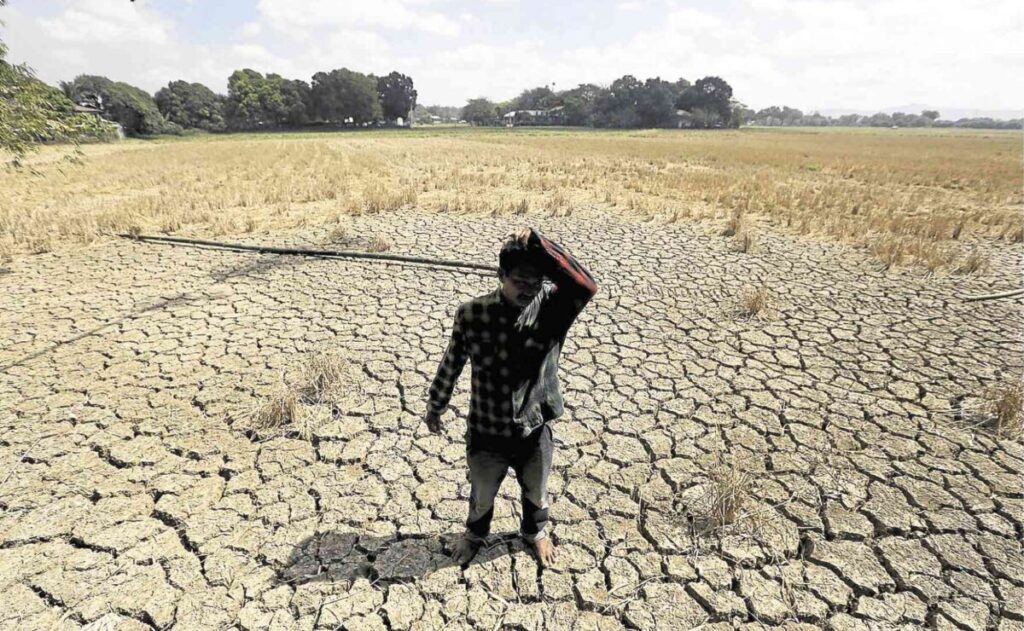
Agricultural areas in rural barangays suffer first and most severely. Farmers who depend on rainfall for irrigation face crop failures when the rains don’t come on schedule. Without water for irrigation channels, rice paddies and vegetable farms across central and northern Cebu turn brown. This isn’t a minor inconvenience; it’s an existential threat to rural livelihoods.
Urban water supply also contracts, though city dwellers may not feel it immediately. Water utilities implement rationing schedules, reducing supply pressure during peak hours. Some municipalities experience rotating water shutoffs lasting several hours daily. In Cebu City, the distribution system can experience intermittent supply cuts during peak dry season months, especially if El Niño conditions intensify beyond forecasts.
Private water refilling stations, which serve millions of Cebuano households, become overwhelmed as families adjust their consumption patterns. Prices for bottled water typically spike during strong El Niño events, placing additional financial pressure on lower-income households.
Food Production and Agricultural Impact
When El Niño tightens water supplies, Cebu’s agricultural sector contracts immediately. The island produces significant volumes of rice, corn, root crops, and vegetables for both local consumption and trade with other Philippine regions. Extended drought conditions reduce yields across all these crops, creating supply shortages that ripple through markets and food prices.
Farmers in municipalities like Carcar, Toledo, and Danao rely on consistent water availability for both crops and livestock. Livestock producers face reduced pasture quality and must supplement feed, increasing production costs. Fishing communities, while not directly affected by drought, experience market pressures as agricultural producers seek alternative income sources.
The coconut industry, historically important to Cebu’s economy, also suffers during prolonged dry spells. Coconut palms require substantial water during flowering and fruit development stages. Strong El Niño conditions lead to reduced coconut yields, affecting coconut oil production, copra trade, and related food industries throughout the island.
Household food security becomes a genuine concern in agricultural communities. Families that traditionally maintain vegetable gardens and small livestock holdings find their supplementary food sources compromised. Market prices for vegetables, fruits, and local staples climb as supply tightens, making nutrition less affordable for vulnerable populations.
Government Response and Community Preparation
PAGASA’s warnings trigger responses from local government units across Cebu. Provincial and municipal officials typically implement water conservation campaigns, promote drought-resistant crop varieties, and coordinate with national agencies on emergency response measures. The Department of Agriculture may distribute seeds for fast-growing crops that require less water, while water authorities explore emergency water sourcing options.
Communities in Cebu develop water conservation strategies months before strong El Niño conditions arrive. Barangay officials conduct educational campaigns about water rationing, leak detection, and efficient household use. Some municipalities invest in rainwater harvesting systems and repair aging water distribution infrastructure to minimize losses through leaks.
Individual households and businesses implement their own preparedness measures. Families install water tanks and cisterns to capture seasonal rains before dry conditions set in. Businesses in water-dependent sectors like laundries, restaurants, and resorts stockpile water supplies or arrange backup sourcing arrangements with private water suppliers.
The Cebu Chamber of Commerce and regional business associations work with government agencies to coordinate private sector responses. Agricultural cooperatives develop contingency plans for crop diversification and emergency livelihood programs if harvests fail dramatically.
Practical Steps for Residents and Visitors
If you’re living in or visiting Cebu during a “very strong” El Niño period, understanding water and food availability becomes important for your stay. Residents should fill water storage containers during normal supply hours before rationing begins, and consider purchasing non-perishable food items before shortages drive prices higher.
Visitors should monitor local news and check with their accommodations about any water conservation measures in effect. Most hotels and resorts in Cebu maintain backup water systems, but understanding local conditions helps you prepare mentally and practically. Pack bottled water for emergencies, and don’t be surprised if some establishments request guests limit water usage.
Agricultural workers and small farmers should connect with their municipal agriculture offices early, even before El Niño conditions arrive, to learn about drought-resistant crop options and support programs. Staying informed about PAGASA forecasts allows time to adjust planting schedules or diversify crops before critical dry periods begin.
Looking Ahead: Monitoring and Planning
PAGASA releases regular climate forecasts that specify El Niño intensity—understanding the difference between mild, moderate, strong, and very strong conditions helps communities gauge how severely water and food supplies might be affected. Subscribe to official PAGASA updates through their website or social media channels to receive timely information about developing conditions.
Long-term planning in Cebu increasingly focuses on climate resilience. Provincial development plans now include investments in water infrastructure, such as additional reservoirs, improved distribution systems, and water recycling facilities. Agricultural programs promote crop varieties naturally suited to drier conditions, reducing vulnerability to future El Niño events.
Common Questions About El Niño and Cebu’s Resources
When does El Niño typically peak in the Philippines? El Niño conditions usually intensify during the northern hemisphere winter months (December through February), though strong events can extend their effects into subsequent seasons.
How long might a “very strong” El Niño last in Cebu? Severe El Niño events typically persist for multiple months. A very strong episode could mean water supply constraints and agricultural challenges lasting from several months to over a year, depending on atmospheric conditions.
Where can Cebu residents get accurate information about water availability and food prices during El Niño? PAGASA provides official forecasts through their website and social media. Local government units also issue advisories through their official channels, and news outlets like Sunstar Cebu provide regular updates on water supply conditions and market impacts.
Before traveling to Cebu during predicted strong El Niño periods, check recent weather forecasts and government advisories. Contact your hotel or accommodation directly to understand what water conservation measures they’ve implemented, ensuring your stay remains comfortable and informed.