Greece’s Coastal Dominance Surges 2026
Greece secures top beach destination ranking, surpassing Australia, Mexico, and Spain in global coastal tourism standings for 2026.
Best beach destinations 2026
How Greece Claimed the Crown as the World’s Premier Beach Destination
When travel experts released their 2026 rankings for the world’s best beach destinations, the results surprised many seasoned travelers. Greece didn’t just make an appearance on the list—it rocketed to the top position, leaving behind long-standing favorites like Australia, Mexico, and Spain. This shift in global tourism preferences reveals something fascinating about what modern travelers really want from their beach vacations.
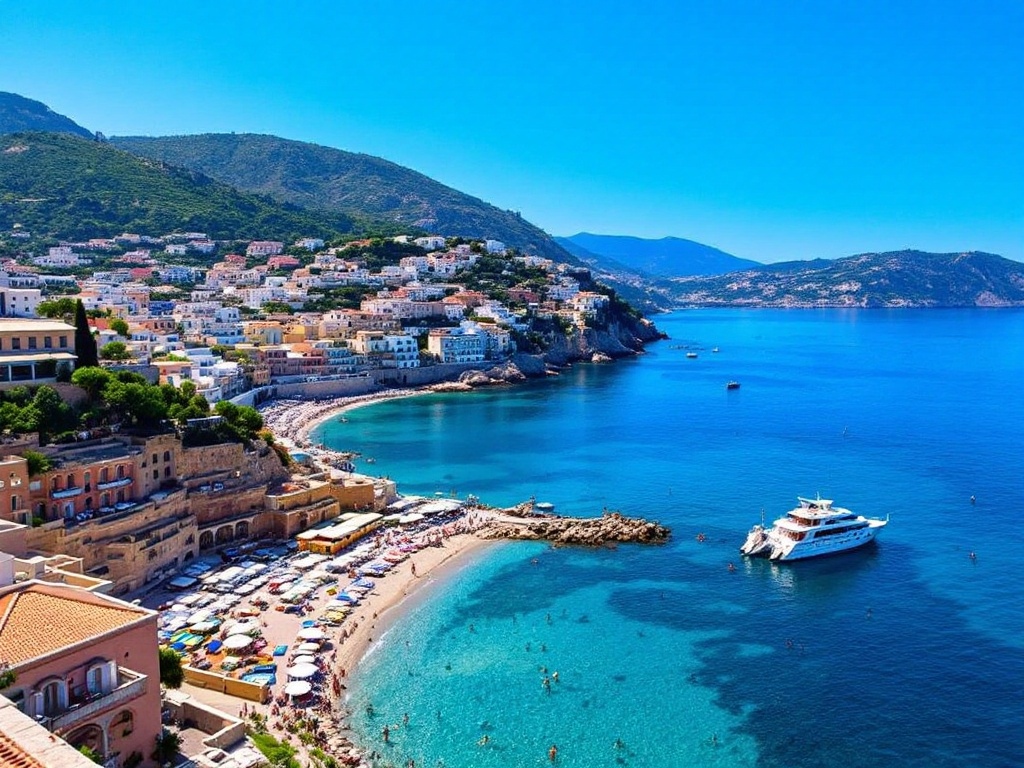
The Greek islands have always held a special place in the hearts of travelers, but this year’s dominance marks a turning point in international coastal tourism. The combination of crystal-clear waters, historic charm, and evolving infrastructure has created the perfect storm for Greece’s ascent to the top.
What Made Greece Overtake Traditional Leaders
Australia’s famous Great Barrier Reef and pristine shores have captivated tourists for decades. Mexico’s Caribbean coastline and Pacific beaches remain undeniably beautiful. Spain’s Mediterranean charm continues to draw millions annually. Yet Greece managed to surpass all three. The secret lies in a perfect blend of natural beauty and authentic travel experiences that modern tourists increasingly crave.
Greece offers something that pure natural beauty alone cannot provide—a deep sense of cultural immersion. Visitors don’t just swim in turquoise waters; they explore ancient ruins, enjoy family-run tavernas, and interact with locals who genuinely welcome travelers. This authenticity resonates with the 2026 travel demographic far more than commercial, heavily developed beach resorts.
The infrastructure improvements across Greek islands have also played a crucial role. Better airport connections, upgraded accommodations ranging from luxury resorts to boutique hotels, and enhanced transportation between islands make exploration seamless. Travelers can now experience multiple islands during a single vacation without the logistical headaches that plagued Greek tourism in previous decades.
The Role of Sustainability in Greece’s Victory
Environmental consciousness has become a non-negotiable factor for modern travelers. Greece has invested heavily in sustainable tourism practices, protecting its marine ecosystems while accommodating visitors. Many islands now implement strict regulations on plastic use, support coral conservation efforts, and promote eco-friendly accommodations.
This commitment to environmental stewardship didn’t go unnoticed by travel rankings. Unlike some beach destinations that prioritize development over preservation, Greece has managed to grow its tourism industry while maintaining the natural appeal that makes its beaches special. Travelers want to visit places they won’t inadvertently harm, and Greece delivers on that promise.
Understanding Australia’s Slip in Rankings
Australia’s demotion surprised many. The country boasts some of the world’s most iconic beaches and the majesty of the Great Barrier Reef. However, distance remains a significant factor—the long flight times and associated carbon footprint concern environmentally-aware travelers. Additionally, cost considerations have shifted in recent years, with Australia becoming increasingly expensive for international visitors.
The Australian tourism board has acknowledged these challenges. While the country remains a premier destination, the convergence of higher prices, lengthy travel times, and growing competition from more accessible alternatives has affected its competitive standing in 2026.
Mexico’s Unexpected Decline Despite Popularity
Mexico continues to attract millions of visitors annually to its Cancun, Playa del Carmen, and Caribbean beaches. Yet safety concerns in certain regions have influenced international travel decisions. Tourist complaints about overcrowding at popular beach spots have also mounted, with some areas struggling under the weight of mass tourism.
The 2026 rankings emphasize experience quality over sheer visitor numbers. Mexico’s beach destinations, while beautiful, often feel congested. Travelers seeking tranquility and personal connection increasingly look elsewhere. Greece’s islands offer similar Mediterranean charm with far fewer crowds in many locations.
Spain’s Struggle with Overtourism
Spain’s beaches along the Costa del Sol and Balearic Islands remain stunning, but the country faces a reputation crisis around overtourism. Barcelona, Mallorca, and other popular coastal destinations have seen local populations protest the overwhelming influx of visitors. This backlash has influenced how international travel organizations rank destinations.
The 2026 rankings increasingly factor in community impact and sustainability alongside natural beauty. Spain’s struggle to balance tourism with local life has positioned it lower in these new evaluations. Greece has managed this balance more effectively, with smaller island communities still feeling like authentic places rather than tourist theme parks.
The Greek Islands: A Closer Look at Top Performers
Santorini, Mykonos, and Crete have always been household names, but lesser-known islands like Paros, Naxos, and Antiparos are gaining international recognition. These islands offer the same stunning beauty as their famous neighbors but with significantly fewer crowds and better opportunities for cultural engagement.
The diversity across Greek islands means travelers can customize their experience entirely. Adventure seekers find excellent hiking and water sports opportunities. History enthusiasts explore ancient temples and archaeological sites. Relaxation-focused visitors lounge on quiet beaches with excellent local food. This versatility gives Greece an advantage over single-focus destinations.
Price Competitiveness and Value for Money
While Greece isn’t budget-level cheap, it offers exceptional value compared to Australia and increasingly to Mexico and Spain. A vacation in Greece can include accommodations, meals at genuine restaurants, beach time, and cultural excursions without breaking the bank. This value proposition appeals to middle-class travelers and families looking to maximize their vacation experiences.
Currency fluctuations have also worked in Greece’s favor during 2026. The Euro’s positioning relative to other major currencies makes Greek vacations relatively affordable for North American and Asian travelers compared to other developed beach destinations.
Travel Infrastructure and Accessibility
Getting to Greece has never been easier. Direct flights from major cities worldwide connect to Athens, with easy onward connections to island destinations. This accessibility eliminates one of Australia’s major disadvantages—the exhausting journey required to reach the continent.
Once in Greece, island-hopping has become remarkably simple with ferry services and budget airlines connecting major destinations. This infrastructure allows travelers to experience multiple environments within a single trip, something Australia’s vastness makes more difficult to accomplish on a typical vacation timeline.
The Future of Greece as a Beach Destination
The 2026 rankings represent just a snapshot of current preferences, but they signal meaningful trends. As travelers continue prioritizing authentic experiences, environmental responsibility, and value for money, Greece’s position seems secure. The country’s commitment to sustainable tourism and cultural preservation positions it well for maintaining its top ranking in coming years.
Greece’s ascendancy represents more than just a statistical shift—it reflects evolving travel values. Modern tourists want destinations that offer beauty without sacrificing authenticity, development without destroying ecosystems, and memorable experiences without empty wallets. Greece, with its islands and ancient culture, has simply learned to deliver all of these better than the competition.