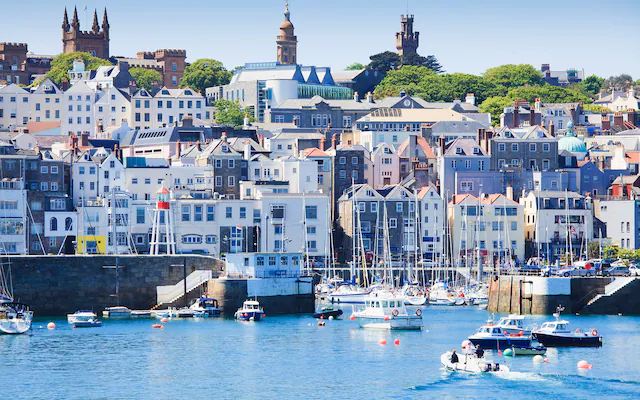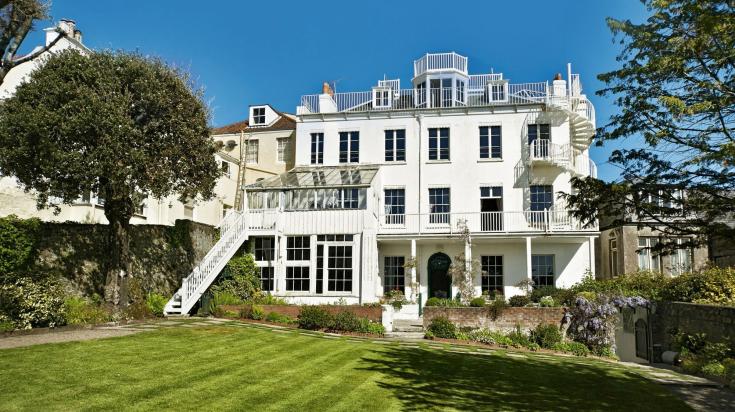
Hauteville House is one of the island’s most remarkable cultural treasures—a home transformed into a living work of art by Victor Hugo during his years of exile. Every room is a masterpiece of creativity, symbolism, and ornate design that reflects the writer’s imagination and personal philosophy. Visiting Hauteville House is more than a tour; it’s a journey into Hugo’s mind, revealing the powerful connection between his artistic expression and his literary genius.
A Home Designed and Crafted by Victor Hugo Himself
Unlike typical historic homes, Hauteville House is almost entirely designed, decorated, and conceptualized by Victor Hugo. Purchased in the 1850s, the house became his artistic canvas, filled with handcrafted wooden carvings, tapestries, mirrors, ceramics, rich colours, and symbolic designs.
Each floor represents a different layer of Hugo’s creativity:
Ground floors filled with dark wood, dramatic contrasts, and intricate details
Upper levels that transition into brighter spaces
The top-floor writing room, bathed in natural light, where Hugo created some of his major works
This intentional structure creates a symbolic ascent—from darkness to light, reflection to inspiration.
The Red Room: A Signature Expression of Style
One of the most iconic rooms in Hauteville House is the Red Room, known for its bold hues, patterned fabrics, and artistic layering. Decorated with deep red tones, antique furniture, and ornate textures, the room reflects Hugo’s flair for drama and emotion.
Visitors often linger here because the room feels theatrical—almost like a stage set that reveals more details the longer you observe it. With its blend of Eastern and European influences, the Red Room is a perfect example of Hugo’s ability to merge cultures, symbolism, and design into a cohesive artistic statement.
The Chinese Room: Exotic Inspiration and Decorative Detail
Another highlight is the Chinese Room, a delicately crafted space featuring lacquered panels, Asian motifs, porcelain pieces, and detailed carvings. This room reveals Hugo’s fascination with global art and his desire to combine different cultural aesthetics into a single, harmonious environment.
The craftsmanship in this room is exceptional. Every panel and pattern was carefully placed to create balance and beauty. For visitors, it’s a captivating example of cross-cultural artistic appreciation long before global design trends became mainstream.
The Glasshouse: A Room Filled with Light and Creative Energy
Near the top of Hauteville House sits the famous Glasshouse—a sunlit space with panoramic views stretching across the sea. This room is where Victor Hugo wrote many of his most significant works, including parts of Les Misérables. The bright, open environment stands in contrast to the richly decorated rooms below, symbolizing creative liberation.
Visitors often describe the Glasshouse as the most moving part of the entire tour. Standing where Hugo once wrote, surrounded by the same views and light, creates a deep sense of connection to his artistic process.
Gardens with Sea Views and Quiet Beauty
Outside the house, the gardens offer a gentle, restorative space filled with greenery, flowers, and pathways that lead to stunning coastal viewpoints. Hugo took great care in planning this outdoor area, ensuring it matched his vision of beauty and solitude.
The gardens provide:
Peaceful places to sit and reflect
Elegant pathways surrounded by nature
Views of the sea that complement the house’s interior atmosphere
They are an extension of Hugo’s artistic world, offering visitors an additional layer of experience.
A Cultural Treasure with Lasting Legacy
Hauteville House stands today not only as a preserved home but as a lasting symbol of artistic freedom and personal resilience. During his time in exile, Hugo used the house to channel his creativity, develop new ideas, and continue writing works that would eventually shape literary history.
His transformation of the house—turning it into an artistic sanctuary—demonstrates his belief in the power of beauty, symbolism, and personal expression. Visitors leave with a deeper understanding of Hugo as both a writer and visual artist.
A Must-Visit for Art Lovers, History Enthusiasts & Creative Travelers
Whether you’re passionate about literature, art, architecture, or interior design, Hauteville House offers a rare opportunity to explore a deeply personal and visually stunning environment. Every room reveals new layers of meaning, from the philosophy behind its decorations to the craftsmanship involved in its design.
Visitors often highlight:
The emotional impact of the spaces
The intricate detail in every room
The journey from dark to light across the house’s levels
The connection between Hugo’s writing and his surroundings
It’s a cultural experience that appeals to both casual travelers and dedicated fans of Victor Hugo.
Plan Your Broader Island Exploration
Many visitors include Hauteville House as part of a full cultural itinerary. For more landmarks, beaches, and recommended activities across the island, you can explore the complete travel guide here:
👉 Guernsey Travel Guide & Itinerary 2025
This internal link provides practical tips and destination insights.
Why Hauteville House Belongs on Your Travel List
Hauteville House is far more than a preserved residence—it is a breathtaking monument to creativity. Victor Hugo turned its walls, ceilings, windows, and furnishings into a continuous work of art. Walking through its rooms offers a rare chance to experience the depth of his imagination, both as a literary figure and as a visual artist.
From the dramatic interiors to the peaceful garden and the inspirational Glasshouse, Hauteville House delivers an unforgettable journey into the world of a creative genius. For travelers seeking beauty, culture, and insight, this extraordinary home is a must-visit destination.