Discovering Lost Books Cebu: A Tiny Shop with Epic Stories
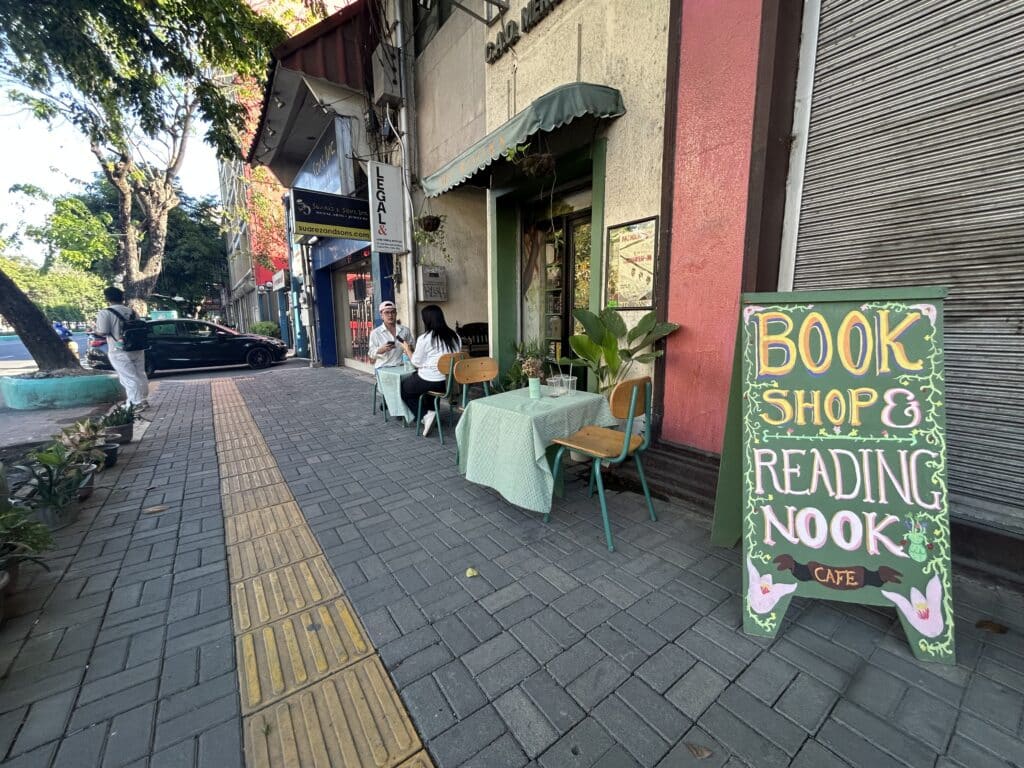
Tucked away on a side street in Cebu City, far from the bustling malls and modern cafes, lies a portal to another world. It’s not marked by neon signs or grand architecture, but by the quiet, familiar scent of aged paper and the promise of adventure waiting on crowded shelves. This is **Lost Books Cebu**, a secondhand bookshop so small you might miss it, yet so vast in its collection of stories that it has become a legendary haven for bibliophiles across the Philippines.
More than just a store, Lost Books is a cultural institution. It represents the enduring magic of the physical book in a digital age and the profound joy of the literary hunt. For students, writers, travelers, and dreamers, a visit here is less of a shopping trip and more of a pilgrimage.
The Allure of the Hunt: What Makes Lost Books Special
In an era of one-click purchases and algorithm-driven recommendations, Lost Books offers something increasingly rare: the thrill of discovery. You don’t simply come here looking for a specific bestseller. You come to **get lost**.
The shop’s charm lies in its beautifully organized chaos. From floor to ceiling, every available inch is packed with books. They spill from shelves, stack in precarious towers on the floor, and fill every nook. The sections are meticulously labeled, guiding you from Fiction to Philosophy, from Philippine History to rare Classics, but within those sections, the specific treasure you’ll find is always a surprise.
This is where you might stumble upon a first edition of a local author’s seminal work, a dog-eared copy of a beloved childhood novel, or a obscure philosophical text you never knew you needed. The collection is a reflection of its passionate curators and the vibrant community that supports it—a constant cycle of stories being passed from one reader to the next.
A Community Hub for Readers and Writers
Lost Books transcends its role as a retailer. It has organically become the beating heart of Cebu’s literary scene. It’s a place where connections are made over shared favorite authors and where local writers often find their work nestled on the “Local Authors” shelf, offering a vital platform for homegrown talent.
The shop fosters a sense of belonging. It’s common to see:
- Students huddled in a corner, researching for a thesis.
- Aspiring writers seeking inspiration from the masters.
- Tourists swapping travel tales with the knowledgeable staff.
- Long-time patrons donating boxes of books, knowing they’ll find a good home.
This ecosystem of sharing and discovery is what transforms a simple transaction into a meaningful exchange. You’re not just buying a book; you’re becoming part of a story’s journey and joining a community of fellow seekers.
Navigating the Literary Labyrinth: A Visitor’s Guide
Planning a visit to Lost Books is an adventure in itself. Here’s how to make the most of your literary excavation:
1. Embrace the Space (or Lack Thereof): The shop is famously cozy. Move slowly, be mindful of other browsers, and don’t be afraid to ask for help. The staff are incredibly knowledgeable and can often unearth exactly what you’re looking for from what seems like an impenetrable pile.
2. Come with an Open Mind, Not Just a List: While you might have a wishlist, be prepared to be sidetracked. The best finds are often the ones you didn’t know you were searching for. Allow yourself time to browse, to read random first pages, and to judge books by their wonderfully worn covers.
3. Explore the Sections: Beyond the broad genres, delve into the specialized shelves. Pay special attention to:
- Philippiniana: An invaluable collection of books on Philippine history, politics, culture, and fiction. This section alone is worth the visit for anyone seeking to understand the country deeper.
- Classics & Literature: From Austen to Zafón, find affordable copies of timeless works.
- Academic & Textbooks: A lifesaver for university students on a budget.
- Sci-Fi, Fantasy, & Graphic Novels: A well-loved section for genre enthusiasts.
4. Check Their Social Media: Lost Books is active online, often showcasing new arrivals, hosting announcements, and engaging with their community. It’s a great way to get a preview of their ever-rotating stock.
The Deeper Story: Why Places Like Lost Books Matter
In a rapidly modernizing city like Cebu, the persistent existence of Lost Books is a quiet act of rebellion. It champions sustainability through the reuse of books, supports local culture, and preserves the tangible experience of reading.
It fights the disposable mindset. Each pre-loved book carries its own history—marginalia from a previous owner, a faded receipt used as a bookmark, a dedication on the flyleaf. These ghosts of readers past add a layer of narrative that a pristine, new e-book can never replicate.
Furthermore, it provides **democratic access to knowledge and art**. With prices far lower than those of new books, Lost Books ensures that great literature, academic resources, and beautiful art books are accessible to everyone, regardless of budget. It’s a vital resource for fostering a literate and critically thinking community.
A Testament to Enduring Stories
Lost Books Cebu is more than a shop; it’s a sanctuary. It’s proof that in a world of fleeting digital content, the human desire to hold a story, to collect them, to share them, and to wander among them physically, remains powerfully strong.
It stands as a reminder that the most epic stories aren’t just contained within the pages of the books on its shelves. The story of the shop itself—of passion persevering, of community building, and of countless readers finding their next favorite book in a cramped, magical space—is perhaps the most compelling one of all.
So, the next time you’re in Cebu, step off the beaten path. Push open the door to Lost Books, take a deep breath of that book-scented air, and start your own hunt. Your next great adventure is waiting, hidden somewhere in the stacks.