Airlines Launch Rescue Flights for Tourists Stranded by Middle East Crisis
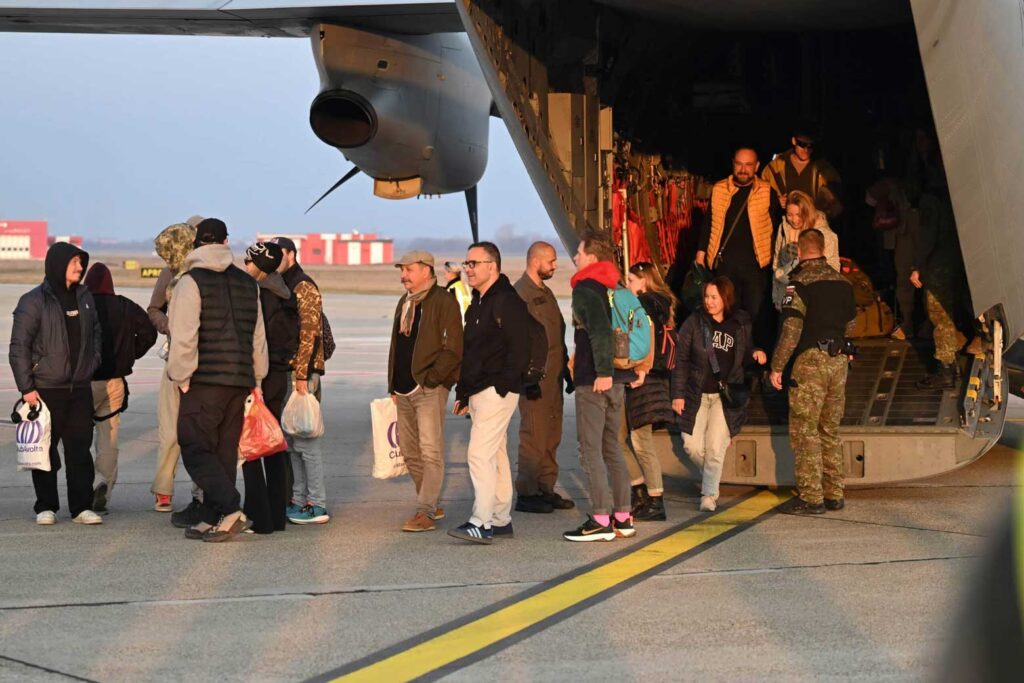
The sudden escalation of tensions in the Middle East has left thousands of international tourists stranded, their dream vacations turning into a logistical nightmare. As airspace closures and security concerns grounded commercial flights, a critical question emerged: how would these travelers get home? In a swift and coordinated response, major international airlines and governments have launched emergency “rescue flights,” mounting a complex aerial evacuation operation to bring their citizens to safety.
The Stranding: A Vacation Interrupted
For countless tourists, the crisis erupted without warning. One day they were exploring ancient ruins or relaxing on sun-drenched beaches; the next, they found themselves glued to news broadcasts, with their scheduled flights abruptly canceled. Airports became scenes of confusion and anxiety as departure boards lit up with red “CANCELLED” notices.
The primary culprit was the closure of airspace by multiple neighboring countries, a standard safety procedure during regional conflicts but one that instantly severed crucial flight paths. This left aircraft unable to traverse the region, and airlines faced the impossible choice of risking passenger safety or halting operations entirely. For the travelers on the ground, the situation was fraught with uncertainty about how long they would be stuck and how they would eventually leave.
The Airlift Response: Carriers Swing Into Action
Recognizing the urgency, airlines and foreign ministries moved quickly. The mission was clear: operate special flights on altered, safe routes to evacuate citizens. This was not business as usual; it required diplomatic coordination for flight permissions, meticulous security planning, and the rapid deployment of aircraft and crews.
European and Asian carriers were among the first to announce rescue missions. These special flights often bypassed traditional hubs, flying longer, circuitous routes to avoid closed airspace. Airlines absorbed significant operational costs, with many offering these repatriation seats at a nominal fee or, in some cases, for free to their stranded ticket-holders. The focus was unequivocally on welfare over profit.
On the Ground: Embassies and Airlines Working in Tandem
The success of the aerial operation depended heavily on coordination at the departure points. Foreign embassies became central hubs of information and assistance. They set up emergency hotlines, registered their nationals, and provided guidance on how to secure a seat on an evacuation flight. In some locations, embassy teams were on hand at airports to assist with the process directly.
Airlines worked closely with these diplomatic missions to prioritize passengers. Communication was key—travelers were urged to:
- Immediately register with their home country’s embassy online or via phone.
- Continuously monitor official airline websites and social media channels for flight announcements, rather than relying on third-party booking sites.
- Keep their phones charged and accessible for alerts from their airline or embassy.
The Passenger Experience: Relief and Gratitude
For stranded tourists, the announcement of a rescue flight brought immense relief. Social media filled with stories of travelers expressing gratitude after finally boarding an aircraft headed for home. The flights, while a direct solution to a dire problem, were often just the first step. Many evacuees faced further long journeys upon landing in a primary safe hub in Europe or Asia before connecting to their final destinations.
Passengers reported that while the flights were tense, the cabin crews were exceptionally supportive, understanding the stress their customers had endured. The mood was one of collective relief rather than typical holiday travel excitement.
Logistical Challenges and the Path Forward
Mounting such an airlift is phenomenally complex. Key challenges included:
- Routing and Overflight Permissions: Planning new flight paths that avoided conflict zones while securing last-minute permissions from countries along the new route.
- Aircraft and Crew Positioning: Getting empty planes and fresh crews into the affected region to begin the evacuations.
- Airport Capacity and Security: Managing crowds and ensuring security at airports that were suddenly focal points for emergency operations.
- Communication: Ensuring clear, timely information reached all affected travelers in a chaotic environment.
As the initial wave of evacuations continues, the focus is shifting. Airlines are now working to clear the backlog of disrupted regular passengers and adjust their long-term schedules for the region. The crisis serves as a stark reminder of the fragility of global travel networks and the importance of robust contingency planning.
Traveler Takeaways: Lessons from a Crisis
This event provides critical lessons for all international travelers:
1. The Importance of Registration: Always register with your embassy when traveling abroad. This is the single most effective way for your government to know you are there and contact you in an emergency.
2. Travel Insurance is Non-Negotiable: A comprehensive policy that covers trip interruption and emergency evacuation is essential. It can be a financial lifesaver in situations like this.
3. Stay Informed Proactively: Follow your airline and embassy on social media for real-time updates. Have their contact information saved offline.
4. Keep Essential Supplies Handy: When in a potentially volatile region, always have a “go-bag” with passports, medications, chargers, and some local currency readily accessible.
A Testament to Global Mobility’s Safety Net
While the images of conflict are dominating headlines, the parallel story of the mass aerial evacuation is one of remarkable logistics and international cooperation. The swift launch of rescue flights underscores a fundamental commitment within the global aviation industry and governments: the duty of care to bring citizens home in times of crisis.
For the stranded tourists, the sight of their national carrier’s logo on an aircraft at a foreign airport was a powerful symbol of security and connection. As the operation continues, it highlights both the vulnerabilities and the resilience woven into the fabric of modern global travel, where even when politics fail, the imperative to safeguard innocent civilians can mobilize a fleet of wings to the rescue.