How Middle East Tensions Could Impact Your Flight from Cebu Airport
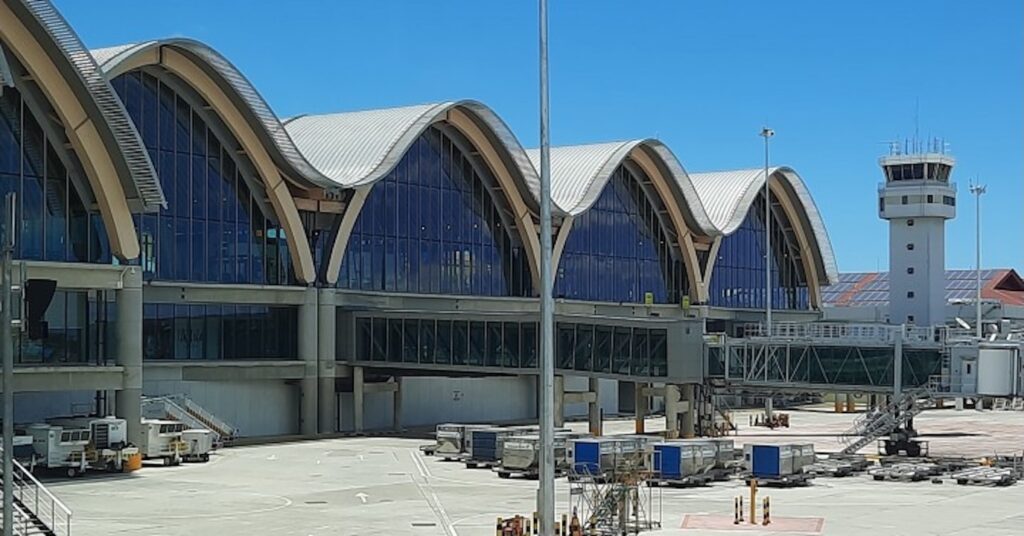
For travelers planning their next getaway from the bustling Mactan-Cebu International Airport (MCIA), the news headlines can sometimes feel a world away. However, in our interconnected global aviation network, geopolitical events in one region can send ripples across the world, potentially touching even the sun-drenched runways of Cebu. The ongoing tensions in the Middle East are a prime example, presenting a complex set of challenges that could indirectly affect your travel plans, from ticket prices to flight paths and overall travel insurance considerations.
The Ripple Effect: Why a Distant Conflict Matters to Cebu Travelers
Cebu is a premier tourism and business hub in the Philippines, with MCIA serving as a vital gateway to international destinations across Asia, the Middle East, and beyond. While there are no direct flights from Cebu to conflict zones, the aviation industry operates on a delicate balance of global factors. Disruptions in one key area—like the Middle East, a crucial global air corridor and a region with major international airline hubs—can have a cascading impact.
The primary mechanisms through which these tensions could influence your journey are airspace closures, increased operational costs for airlines, and heightened security protocols. When airlines are forced to reroute flights to avoid risky airspace, the immediate consequences are longer flight times, increased fuel consumption, and greater strain on aircraft and crew scheduling. These added costs and logistical headaches for airlines rarely stay contained; they often trickle down to the passenger in various forms.
Potential Impacts on Your Travel from MCIA
1. Rising Airfare and Operational Costs
Fuel is one of the largest expenses for any airline. Political instability in the Middle East, a key oil-producing region, can lead to volatility in global oil prices. Even a temporary spike can significantly increase operating costs for all carriers, including those operating out of Cebu. Airlines may adjust by:
- Increasing fuel surcharges on tickets.
- Raising base fares on affected routes, particularly those with long-haul segments that traverse regions near the conflict.
- Reducing or pausing promotional seat sales to offset costs.
Furthermore, rerouted flights burn more fuel and may require additional fees for alternative airspace usage. If these conditions persist, travelers may notice a gradual increase in ticket prices for flights from Cebu to destinations in Europe, parts of Asia, and even those connecting through Middle Eastern hubs like Dubai, Doha, or Abu Dhabi.
2. Flight Disruptions and Schedule Changes
Safety is the paramount concern for aviation authorities. If certain airspace becomes hazardous or is officially closed, airlines must find alternative routes. For flights from Cebu that may have traditionally flown over parts of the Middle East en route to Europe or Africa, this could mean:
- Longer flight durations, as planes take detours.
- Potential schedule changes or delays as airlines rework their global timetables.
- In extreme cases, cancellation of specific flight paths until safer routing is established.
While airlines strive to minimize passenger impact, those with tight connections at international hubs could face missed flights and complicated rebooking scenarios.
3. Increased Travel Insurance Premiums and Concerns
Travel insurance providers constantly assess global risk. As tensions rise in any region, the perceived risk of travel disruption—including trip cancellations, delays, or emergencies—increases. This can lead to:
- Higher premiums for comprehensive travel insurance policies.
- More specific exclusions related to “war or political unrest” in policy fine print.
- A stronger impetus for travelers to carefully review their policy’s coverage for trip interruption due to geopolitical events.
4. Security Enhancements and Check-in Procedures
Globally, airports and airlines may elevate security measures in response to heightened geopolitical tensions. For passengers departing from Cebu Airport, this might translate to:
- More rigorous baggage screening and passenger checks.
- Advice to arrive at MCIA even earlier than the standard recommendation.
- Stricter enforcement of carry-on and document regulations.
These measures are preventative and designed for passenger safety, but they can affect the pre-flight experience.
Proactive Tips for Cebu-Based Travelers
Staying informed and prepared is your best defense against uncertainty. Here’s what you can do:
- Stay Updated: Regularly check notifications from your airline. Sign up for SMS or email alerts regarding your specific flight from MCIA.
- Invest in Robust Travel Insurance: Now more than ever, securing a comprehensive policy that covers trip cancellation, interruption, and delays for any reason is wise. Read the terms to understand what is considered a covered event.
- Book with Flexibility: When making reservations, consider fare options that allow changes or cancellations with minimal fees. This provides a crucial buffer if plans need to shift.
- Allow Extra Time: Plan for a longer pre-flight arrival at Cebu Airport (3-4 hours for international flights) to accommodate potentially enhanced security screenings.
- Monitor Global News: Keep a general eye on global aviation news. Awareness helps you understand the broader context if your airline communicates a schedule change.
Looking Ahead: Resilience in Aviation
The global aviation industry has repeatedly demonstrated remarkable resilience in the face of regional conflicts and disruptions. Airlines, including those serving Cebu, have contingency plans and sophisticated operations centers dedicated to managing such risks. While the potential for impact exists, it is often mitigated by the industry’s adaptability.
The key takeaway for travelers is not to panic but to plan with prudence. By choosing flexible booking options, securing appropriate insurance, and staying in close contact with your airline, you can navigate these uncertain skies. The goal remains unchanged: to ensure your journey from the beautiful island of Cebu to your destination is as safe, smooth, and predictable as possible, no matter what winds are blowing elsewhere in the world.