Cebu’s Massive Electric Bus Rollout Aims for a Greener Future
The bustling streets of Metro Cebu, long dominated by the roar of diesel engines and the haze of exhaust fumes, are on the cusp of a historic transformation. In a landmark move for Philippine sustainable transport, the region is launching one of the country’s most ambitious electric vehicle initiatives to date: a massive rollout of modern electric buses. This isn’t just a pilot project; it’s a full-scale commitment to overhauling public transit, promising cleaner air, quieter streets, and a significant step toward a greener future for the Queen City of the South.
Powering Down Emissions, Powering Up Progress
At the heart of this initiative is a powerful partnership between the government and the private sector, specifically the Metro Pacific Investments Corporation (MPIC) through its mobility arm. The plan is both clear and ambitious: deploy a large fleet of fully electric buses to serve key routes across Metro Cebu. This systematic replacement of traditional, carbon-emitting jeepneys and buses with zero-emission alternatives targets the very core of the city’s traffic and pollution problems.
The environmental benefits are immediate and profound. By removing diesel vehicles from the road, the project aims to drastically cut:
- Carbon Dioxide (CO2) Emissions: Directly combating climate change by eliminating tailpipe emissions from a major segment of public transport.
- Airborne Pollutants: Significantly reducing nitrogen oxides (NOx), particulate matter (PM), and other harmful substances that contribute to respiratory illnesses and smog.
- Noise Pollution: Electric buses operate almost silently, offering a much quieter and more peaceful urban environment for residents, commuters, and businesses alike.
A Modern Commute for Cebuano Passengers
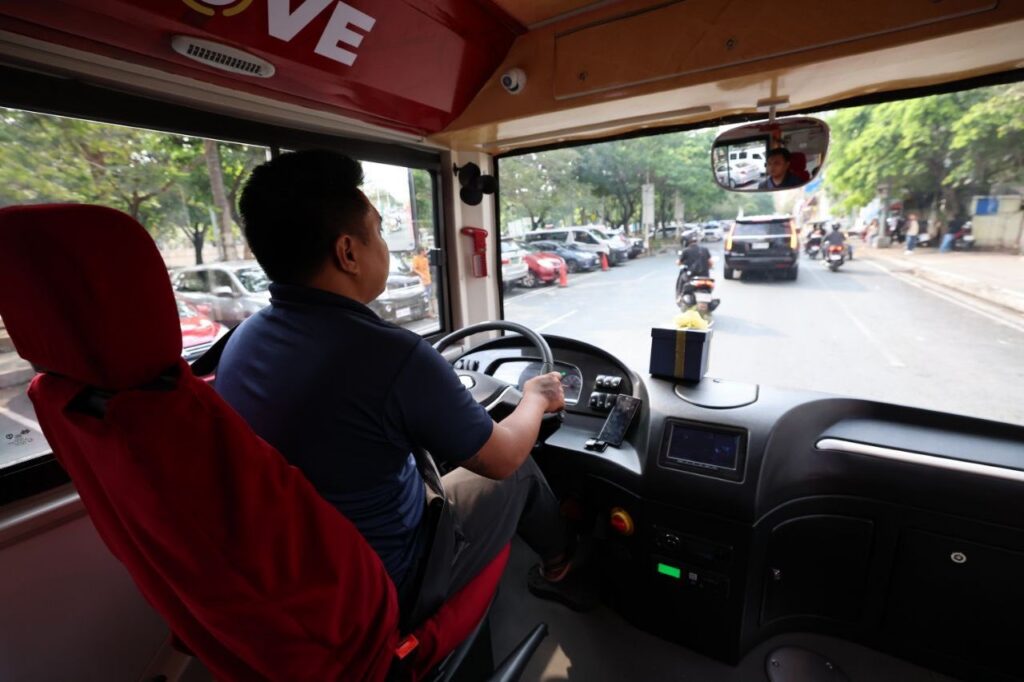
For the everyday commuter, this transition means more than just an environmental win; it signifies a major upgrade in the quality of public transportation. The new electric buses are designed with passenger comfort and convenience as top priorities. Riders can expect features that are often absent in traditional transport, such as:
- Air Conditioning: A welcome relief from Cebu’s tropical heat.
- Digital Payment Systems: Streamlining the boarding process and moving toward a cashless commute.
- Real-Time Tracking: Allowing passengers to plan their journeys more accurately using mobile apps.
- Enhanced Safety and Accessibility: Modern designs that often include features for persons with disabilities (PWDs) and improved overall safety standards.
This shift is poised to make public transport a more attractive, reliable, and dignified option, potentially encouraging more car owners to leave their vehicles at home and further decongesting Cebu’s notorious traffic.
Charging Ahead: Building the Infrastructure for an EV Future
A fleet of electric buses is only as good as the network that supports it. Recognizing this, the rollout includes a parallel, critical project: the establishment of a robust charging infrastructure. Strategic locations will be equipped with fast-charging stations to ensure buses can be powered up efficiently during their daily operations, minimizing downtime and maximizing service hours.
This infrastructure investment is a cornerstone for long-term sustainability. It doesn’t just serve the immediate bus fleet; it lays the groundwork for a broader electric vehicle ecosystem in Cebu. It signals to other businesses and vehicle owners that the region is serious about EV adoption, potentially accelerating the shift for delivery fleets, taxis, and private cars.
Economic Revitalization and Energy Security
The benefits of this green transition extend beyond the environmental and commuter experience. Economically, it represents a substantial investment in Cebu’s future. The project creates new jobs in manufacturing (if components are sourced locally), maintenance, technology, and infrastructure development. It also positions Cebu as a forward-thinking, innovative hub, attractive to businesses and tourists who prioritize sustainability.
Furthermore, by shifting from imported diesel to electricity—which can increasingly be generated from domestic renewable sources like solar, wind, and geothermal—Cebu enhances its energy security. It reduces the local economy’s vulnerability to the volatile price swings of the global oil market, keeping more money within the local economy and creating a more resilient transport system.
Navigating the Road to a Fully Electric Fleet
While the vision is clear, the path to a fully electric public transport system is not without its challenges. The initial capital outlay for electric buses and charging stations is significant. Ensuring a stable and sufficient power supply from the grid, especially during peak charging times, requires careful planning and coordination with power distributors. There is also the essential task of training drivers and maintenance crews to handle this new technology effectively.
Perhaps one of the most delicate aspects is the just transition for existing transport operators and drivers. The success of this program hinges on inclusive strategies that provide viable pathways for current jeepney and bus drivers to become part of the new system, whether through upskilling, co-ownership models, or guaranteed employment opportunities.
A Model for the Nation
Cebu’s massive electric bus rollout is more than a local project; it is a national pilot and a powerful statement. As one of the Philippines’ most vital economic centers takes this bold leap, it provides a real-world, scalable model for other cities like Manila, Davao, and Iloilo to follow. The lessons learned in Cebu—from technology integration and infrastructure planning to stakeholder engagement—will be invaluable for the entire country’s journey toward sustainable mobility.
The sight of silent, emission-free buses gliding through Cebu’s streets will be a daily reminder that progress and environmental stewardship can go hand in hand. This initiative proves that the fight against climate change and urban pollution is not just about policy papers, but about tangible, rolling change that improves the lives of millions. Cebu is not just waiting for a greener future; it is actively driving toward it, one electric bus at a time.