Discover the Moalboal Sardine Run in Cebu
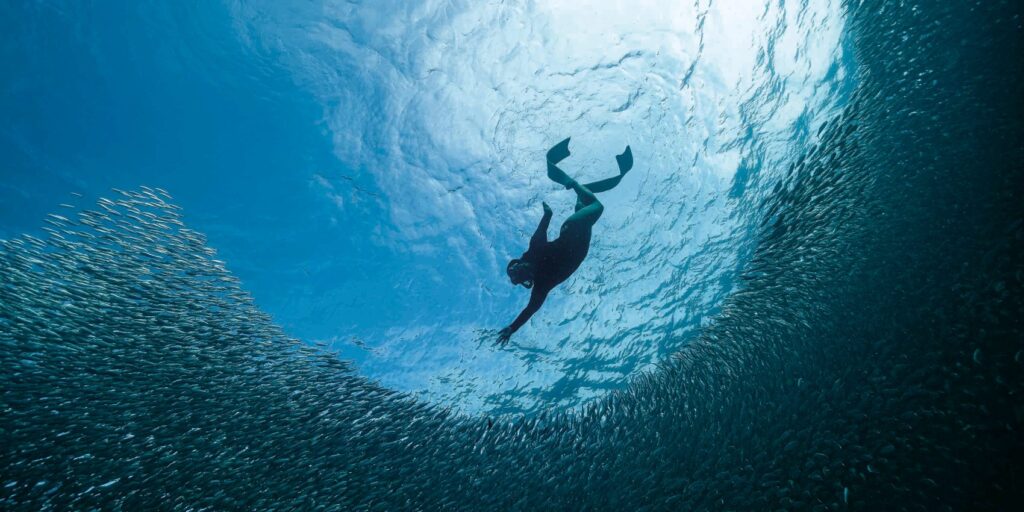
Imagine stepping into the sea and finding yourself surrounded by thousands of shimmering fish moving together like a single, living formation. In Moalboal, Cebu, this extraordinary marine encounter happens just offshore, making it possible to witness one of the Philippines’ most memorable underwater attractions without traveling far from the beach.
The Moalboal sardine run takes place near Panagsama Beach, a coastal destination in southwestern Cebu. A large school of sardines gathers in these waters throughout the year, creating an impressive spectacle for snorkelers, freedivers, and scuba divers.
Unlike wildlife encounters that depend on a short migration season, Moalboal’s sardine aggregation is known for its year-round presence. The experience combines accessible snorkeling with the chance to observe the remarkable behavior of fish in their natural marine environment.
Why Do Sardines Gather in Moalboal?
The exact reason the sardines first established their presence in Moalboal remains uncertain. However, the area’s underwater landscape and surrounding ocean conditions may help explain why the school continues to thrive there.
The coastline transitions from a relatively shallow coral reef to deeper water. This underwater drop-off provides access to deeper areas, while currents carrying plankton can supply food for the fish. The relatively low presence of large predators has also been suggested as a possible contributing factor.
According to the travel feature published by Cathay Pacific, the sardines have been gathering in the area for more than 15 years. The shoal previously moved between Pescador Island and Ronda before settling near Panagsama Beach.
The sardines have helped shape Moalboal’s tourism industry, supporting dive centers, underwater photographers, and guides who introduce visitors to the marine environment. Their presence also makes responsible tourism especially important.
Plastic pollution and pressure on fragile coral ecosystems are among the environmental challenges associated with growing visitor activity. Respecting marine life, disposing of waste properly, and following dive guides’ instructions can help reduce unnecessary damage to the coastal environment.
Snorkeling and Scuba Diving: How to Experience the Sardines
One of the biggest advantages of the Moalboal sardine run is that visitors can experience it in different ways. Snorkeling offers a view from the surface, while scuba diving allows qualified participants to explore the underwater scene from a different perspective.
Snorkeling at Panagsama Beach
Snorkeling is a practical option for visitors who want to observe the sardines without undertaking a full scuba dive. From the water’s surface, you can watch the school change shape as individual fish move together in response to their surroundings.
Bring a properly fitting mask, snorkel, and fins if you have your own equipment. If you are unfamiliar with local conditions, consider arranging assistance from an experienced guide and make sure you are comfortable swimming before entering deeper water.
Scuba Diving Beneath the School
Scuba diving provides a different view of the sardines, especially when sunlight filters through the school from above. Divers may also encounter other marine life around the reef, including clownfish, lionfish, pufferfish, trumpetfish, and sea turtles.
Savedra Dive Center offers a PADI Discover Scuba Diving experience for beginners. The introductory session takes approximately two to three hours and covers basic skills before participants visit a dive site, subject to the operator’s requirements and prevailing conditions.
Swimming proficiency is important for scuba diving, and beginners should follow the instructor’s assessment and safety instructions. Never pursue the school aggressively or touch marine animals and corals to get a closer photograph.
Best Time to Visit and Practical Travel Information
The dry season, from December to May, is recommended for visitors seeking clearer conditions. However, the sardines are present throughout the year, and visibility can still vary with weather, currents, and local sea conditions.
Getting to Moalboal
Moalboal is approximately three hours southwest of Cebu City by road. Travelers arriving at Mactan-Cebu International Airport can arrange a private transfer directly to the coastal town.
The Cathay Pacific travel feature gives an approximate private-transfer cost of PHP 3,200, with a journey of around three and a half hours from Cebu airport. Treat this as a reference price rather than a guaranteed current fare, and confirm the cost and travel time with your provider before booking.
Upon arrival in Moalboal, the same feature reports an environmental fee of PHP 25 payable at a checkpoint. Verify the current amount and collection arrangements locally, as fees and procedures can change.
Allow Enough Time After Diving Before Flying
If scuba diving is part of your itinerary, plan your return flight carefully. The travel feature advises waiting at least 12 hours after diving before boarding an aircraft; the appropriate interval can depend on the type and number of dives performed.
For more detailed guidance, consult the Divers Alert Network and follow your dive professional’s recommendations. A longer interval may be necessary after repetitive or more demanding dives, so avoid scheduling your final dive too close to departure.
What to Bring
Pack swimwear, a towel, sun protection, drinking water, and any personal snorkeling equipment you prefer to use. A waterproof bag can help protect your belongings while traveling between your accommodation and the beach.
Choose reef-conscious behavior over collecting souvenirs from the sea. Leave shells, corals, and marine animals where they belong, and take your rubbish with you when leaving the shoreline.
Where to Stay, Eat, and What to Know Before You Go
Moalboal has accommodation and dining options that make it possible to combine marine activities with a relaxed coastal holiday. Staying near Panagsama Beach can be convenient if you plan to snorkel or dive early in the morning.
Harman Suites Moalboal is one accommodation option highlighted in the travel feature, with a central location near shops, restaurants, and Panagsama Beach. Cebu Seaview Dive Resort is another choice, offering sea views, an outdoor pool, a restaurant, and a PADI Five Star Dive Centre.
For food and refreshments, Cocofi serves coconut-based drinks, while Three Bears Restaurant offers burgers. Shaka is an option for tropical smoothie bowls, and Ven’z Kitchen serves Filipino dishes, including chicken adobo and Bicol Express.
These establishments provide starting points for planning a visit, but check current opening hours, availability, and prices before making arrangements.
Frequently Asked Questions
Can you see the Moalboal sardine run all year?
Yes. The sardine school near Panagsama Beach is reported to remain in the area throughout the year. December to May is recommended for the dry season, although actual visibility depends on local conditions.
Do you need scuba certification to see the sardines?
No. Snorkeling is an alternative for visitors who are comfortable swimming and can safely manage the conditions. Scuba diving requires appropriate instruction, equipment, and compliance with the dive operator’s requirements.
How much should you budget for transportation and environmental fees?
The cited travel feature lists an approximate private transfer of PHP 3,200 from Cebu airport and an environmental fee of PHP 25 upon arrival in Moalboal. These are reference amounts, so confirm current charges before traveling.
Before finalizing your Cebu itinerary, check the weather, road-transfer arrangements, dive availability, and any local environmental guidance. With sensible preparation and respect for the marine environment, Moalboal offers an opportunity to experience one of the Philippines’ most remarkable underwater spectacles while supporting responsible coastal tourism.