PRO-7 Fortifies Cebu Tourist Spots for ASEAN 2026: A Comprehensive Security Strategy
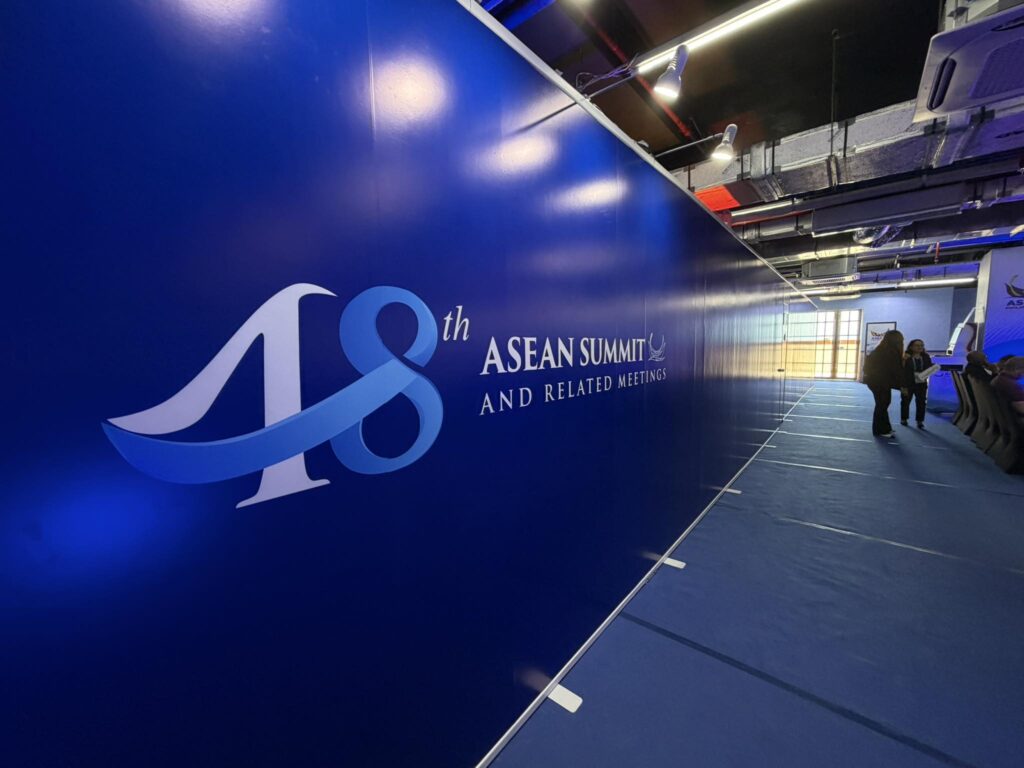
The countdown to the Association of Southeast Asian Nations (ASEAN) 2026 Summit has officially begun, and the Philippine National Police’s Central Visayas office (PRO-7) is not leaving anything to chance. With Cebu positioned as a primary host for delegates and side events, the local police command has rolled out an extensive, multi-layered security blueprint. This operation is not merely a routine drill; it is a strategic deployment designed to protect high-profile dignitaries while simultaneously ensuring that the province’s world-renowned tourist destinations remain safe and accessible.
As a security analyst who has observed regional event preparation for over a decade, I can confirm that the approach taken by PRO-7 reflects a shift toward proactive intelligence-led policing. Rather than waiting for threats to materialize, they are hardening their targets well in advance. This article breaks down the operational details of this massive undertaking, the specific sites involved, and what this means for travelers and local businesses.
The Strategic Imperative: Why Cebu’s Tourist Spots Are Being Secured First
Cebu is the economic and tourism hub of the Visayas. It is home to some of the most visited natural attractions in the Philippines, from the whale shark interactions in Oslob to the pristine white sands of Bantayan Island and the historical landmarks of Cebu City. Hosting ASEAN delegates means that these venues will see a surge in high-security foot traffic. However, the challenge for PRO-7 is unique: they must secure these areas without turning them into impenetrable fortresses that disrupt local commerce.
The decision to focus on tourist spots stems from a vulnerability assessment that determined these locations have the highest risk of mass casualty events due to their open nature and dense crowds. PRO-7 Director, Police Brigadier General Anthony Aberin, has echoed this sentiment, emphasizing that the security plan is not just for the delegates but also for the millions of domestic and international tourists who will be visiting Cebu during the summit window.
Key Locations Under Enhanced Surveillance
PRO-7 has identified specific “tiers” of security, with the following areas receiving the highest level of attention:
- Mactan-Cebu International Airport (MCIA): The primary point of entry for all dignitaries. Expect full K-9 sweeps, restricted vehicle access, and a 24/7 drone surveillance cordon.
- Moalboal and Oslob (South Cebu): Known for marine biodiversity. Coastal patrols will be doubled, and watercraft access will be regulated to prevent unauthorized approach.
- Cebu City’s Business Parks (IT Park and CBP): Potential venue for side conferences. Expect staggered checkpoints and strict identification protocols for building access.
- Bantayan and Malapascua Islands (North Cebu): Remote locations require specialized maritime police units to ensure island security remains uncompromised.
Operational Framework: How PRO-7 Is Executing the Security Plan
To understand the depth of this security plan, one must look beyond the usual “police visibility.” PRO-7 is implementing a Total Defense Strategy. This involves three distinct phases that are currently being rolled out simultaneously.
Phase 1: Intelligence and Community Integration (The “Soft” Approach)
The most overlooked aspect of security is intelligence gathering. PRO-7 has activated a network of informants within the tourism sector—hotel staff, dive shop operators, and local tricycle drivers—to serve as “eyes and ears.” This community policing initiative is crucial for identifying pre-incident indicators.
Key initiatives include:
- Background checks on seasonal employees in the hospitality industry.
- Joint briefings with local government units (LGUs) to map out hiding spots or unguarded paths near resorts.
- Establishment of a dedicated hotline for reporting suspicious activities specifically related to “unusual interest in security posts.”
Phase 2: Physical Hardening and Infrastructure (The Hard Approach)
This is where the rubber meets the road. PRO-7 is currently reviewing the physical layout of every major tourist spot. They are not just adding guards; they are redesigning the flow of traffic to create sterile zones.
Specific Hardening Measures Include:
- Concrete Barriers and Vehicle Inhibitors: Installing heavy-duty bollards at entrance points to prevent vehicle ramming attacks, a common tactic in modern asymmetric warfare.
- Perimeter Lighting and CCTV Expansion: Upgrading old cameras to high-definition, AI-capable units that can detect unattended bags or loitering behavior.
- Designated Holding Areas: Creating temporary “waiting zones” for vehicles and pedestrians away from the main attraction hubs to allow for secondary screening.
Phase 3: Rapid Response and Mobile Reserves
No security plan is complete without a robust reaction force. PRO-7 has established Quick Reaction Teams (QRTs) that are prepositioned within a three-minute response radius of all high-profile venues. These units are not standard beat cops; they are trained in close-quarters combat, medical evacuation, and hostage negotiation.
Furthermore, the Regional Mobile Force Battalion (RMFB) 7 has been placed on 100% standby status. They will serve as roving patrols, constantly moving between tourist spots to create a sense of omnipresence and disrupt any planned surveillance by hostile actors.
The Broader Impact: Tourism Confidence and ASEAN Reputation
This security push is about more than just preventing crime; it is about brand management. The Philippines, and specifically Cebu, is under a global microscope during ASEAN summits. A single security lapse could damage the country’s reputation for decades, scaring away the high-yield tourism sector that relies on luxury and safety.
Economic Expectations for 2026
Local economists predict a massive boom for Cebu during the ASEAN 2026 events. However, this boom is contingent on the perceived safety of the region.
What travelers can expect:
- Increased checkpoints: Expect to show identification more frequently, even at beach access points.
- Curfews for specific zones: Certain areas near delegate hotels may have temporary night-time restrictions.
- Enhanced marine patrols: Snorkeling and diving activities may be restricted in specific marine sanctuaries during summit hours.
What travelers will appreciate:
- Higher police visibility acting as a deterrent to petty crime like pickpocketing and theft.
- Better traffic management in notoriously congested areas like Cebu City’s Colon Street and the Mandaue Reclamation Area.
- Improved emergency services and medical response times.
A Long-Term Security Legacy
One of the most interesting aspects of the PRO-7 plan is its sustainability. The equipment purchased and the tactics refined for ASEAN 2026 will not be discarded after the delegates leave. The infrastructure—specifically the upgraded CCTV networks and the intelligence databases—will remain in place, effectively raising the baseline security standard for Cebu for years to come.
Challenges on the Horizon
Despite the robust planning, PRO-7 faces significant hurdles. The “balancing act” between security and freedom of movement is delicate. Over-policing can lead to tourist fatigue, where visitors feel harassed rather than protected. Additionally, the influx of over a million additional visitors during the summit period will strain local resources.
The success of this operation will hinge on the training of the individual police officers. It is not enough to have a high-tech camera if the officer monitoring it lacks the judgment to differentiate between a threat and a lost tourist. PRO-7 has invested heavily in “soft skills” training—customer service, cultural sensitivity, and de-escalation—to ensure that the security posture feels welcoming, not intimidating.
Final Analysis: Ready for the Spotlight
Cebu has proven its ability to host large-scale events, from the Sinulog Festival to the Asia-Pacific Economic Cooperation (APEC) meetings. However, ASEAN 2026 represents a different caliber of challenge due to the concurrent protection of multiple disparate tourist spots.
PRO-7’s proactive stance is commendable. By securing the tourist spots months in advance, they are not just reacting to a schedule; they are building a security culture. For delegates, this means a safe, seamless experience. For the average traveler, it means a well-organized destination where safety is a priority, not an afterthought.
As 2026 approaches, all eyes will be on Cebu. If the execution matches the planning, this will set a new standard for how the Philippines secures its tourism assets during international events. The police force is ready; the question is whether the public is prepared for the temporary inconveniences that come with world-class security.