Carnaza Island: Discovering Cebu’s Hidden Paradise Off the Tourist Trail
If you think you’ve already seen everything Cebu has to offer—the whale sharks of Oslob, the sardine run of Moalboal, or the canyoneering of Kawasan Falls—then Carnaza Island offers a completely different experience.
Located off the northern tip of Cebu in Daanbantayan, Carnaza is not a polished tourist hotspot. It is a quiet, unfiltered island destination that has largely avoided mass tourism, and that is exactly what makes it special.
Speaking from experience exploring the Visayas, Carnaza stands out for something increasingly rare in Philippine travel: authenticity without commercialization.
Why Carnaza Island Feels Different
Tourism in Cebu has grown rapidly in recent years, bringing both opportunity and challenges. Popular destinations are often crowded, commercialized, and heavily developed.
Carnaza, however, has remained largely untouched.
What Makes It Unique
- Low tourist volume: You will not find crowds competing for space or photos.
- Minimal commercialization: No large resorts or aggressive tourism infrastructure.
- Community-based living: Local fishing communities still shape daily life.
- Unspoiled beaches: Clean, quiet, and naturally maintained due to low foot traffic.
The result is an island that feels closer to how many Philippine destinations once were before tourism expansion.
Getting to Carnaza Island
Reaching Carnaza requires effort, which naturally limits visitor numbers.
Typical Route
- Cebu City to Daanbantayan: Around 4 hours by bus from the North Bus Terminal heading toward Maya.
- Maya Port to Carnaza Island: A 45-minute pump boat ride, depending on sea conditions. Boats typically depart when full.
- On-island travel: Walking or habal-habal (motorbike taxis) for longer distances.
Travel is highly weather-dependent, and conditions are best during the dry season from March to May.
What to Do on Carnaza Island
Despite its size and remoteness, Carnaza offers several natural attractions worth exploring.
Carnaza Lighthouse
One of the island’s key landmarks is the historic lighthouse located on elevated ground.
- Short 15-minute climb
- Panoramic views of the Visayan Sea
- Visibility of nearby islands on clear days
Sunrise is particularly recommended for photography due to the open horizon and soft lighting conditions.
Sandbars and Tidal Flats
During low tide, sandbars appear along parts of the coastline, revealing shallow turquoise waters.
- Best explored around low tide periods
- Bring proper footwear due to sharp shell fragments
- Occasional sightings of starfish and marine life
Rocky Coastlines
The western side of the island features limestone formations shaped by constant wave activity.
These areas are ideal for quiet exploration and photography rather than swimming.
Accommodation on the Island
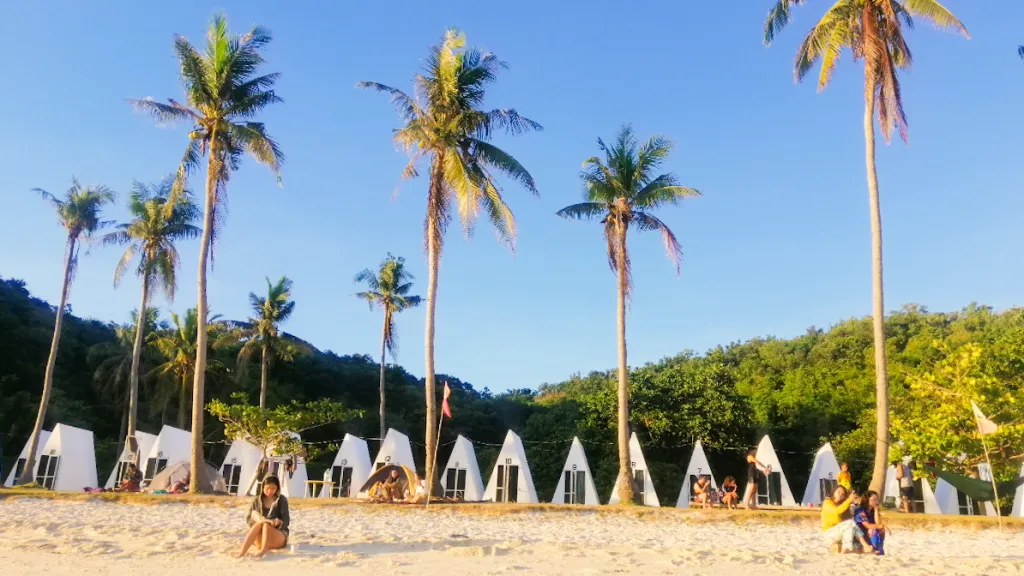
Carnaza is not a luxury destination. Accommodations are simple and community-based.
Typical stays include:
- Basic homestays run by locals
- Solar-powered electricity (often limited hours)
- Shared or simple private bathrooms
- Fan-cooled rooms with mosquito nets
Booking is often done through local contacts rather than formal online systems, so coordination with the Daanbantayan Tourism Office or local guides is common.
Food on Carnaza Island
Dining on the island is straightforward and centered on fresh local seafood.
Common offerings:
- Grilled fish (grouper, mackerel, rabbitfish)
- Kinilaw (Filipino-style raw fish ceviche)
- Simple rice-based meals cooked with local ingredients
There are no large restaurants or commercial dining establishments, so visitors are encouraged to bring snacks and essentials from the mainland.
Responsible Travel Practices
Carnaza’s preserved condition is largely due to its low-impact tourism model and community care.
Visitors are expected to follow basic environmental guidelines:
- Bring reusable water containers
- Avoid single-use plastics
- Do not collect shells, coral, or sand
- Use reef-safe sunscreen when swimming
These practices help maintain the island’s ecological balance.
Best Time to Visit
Timing is important for safety and experience quality.
- Best season: March to May (dry season, calm seas)
- Shoulder months: February and June (variable conditions)
- Avoid: July to November (typhoon season, rough seas)
Boat travel can be unpredictable during monsoon months, so planning is essential.
Final Thoughts
Carnaza Island is not designed for mass tourism, and that is its defining strength.
It does not offer luxury resorts or curated attractions. Instead, it offers space, quiet, and a version of island life that feels largely unchanged by modern tourism trends.
For travelers seeking solitude and authenticity in Cebu, Carnaza remains one of the region’s most compelling hidden destinations.