Europe’s Running Holiday Boom: Active Travel Redefined
Active vacations reshape European tourism with running holidays across trails
running holidays europe
The Unexpected Shift in European Vacation Culture
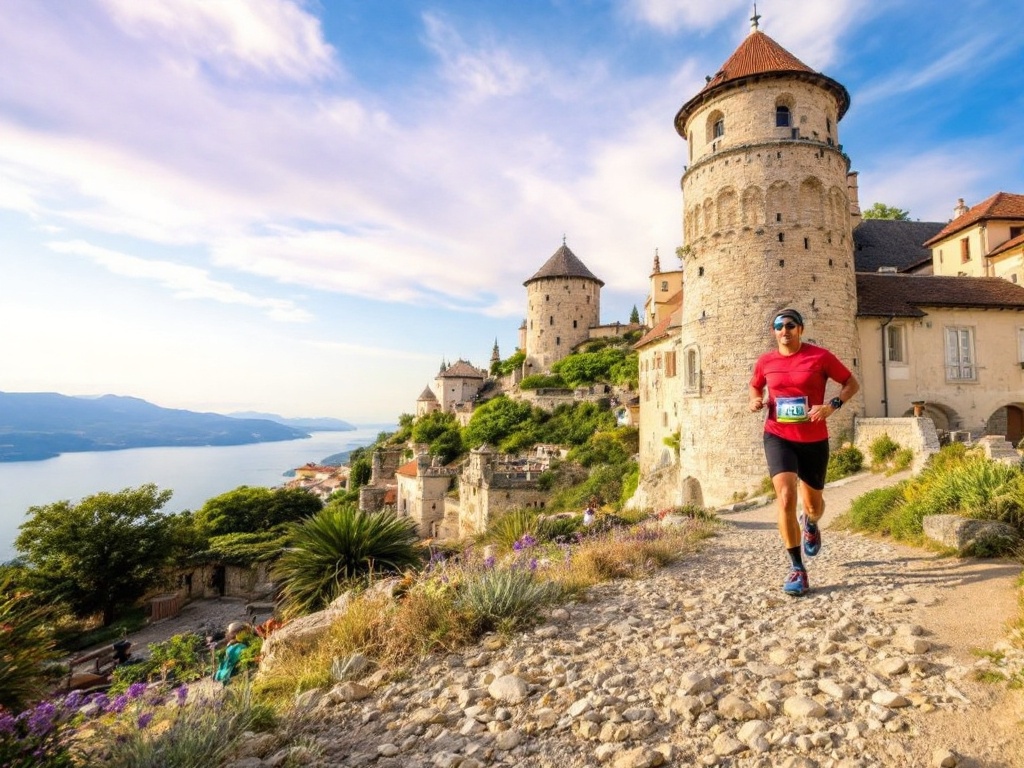
Picture this: instead of lounging poolside with a cocktail, thousands of European travelers are lacing up their running shoes before dawn to explore alpine valleys and coastal paths. The running holiday trend has exploded across Europe, transforming how millions experience their vacation time. What started as a niche activity has become a full-fledged tourism movement that’s reshaping the entire active travel industry.
France, Italy, Germany, Portugal, and Spain have positioned themselves at the forefront of this wellness-focused revolution. These nations recognize that modern travelers crave more than passive sightseeing—they want to feel alive, engaged, and connected to the destinations they visit.
Why Running Holidays Are Capturing Travelers’ Hearts
Running holidays offer something traditional beach resorts simply cannot deliver: an intimate connection with landscape and culture. When you run through a destination rather than drive through it, you notice details that car tours miss. You encounter local runners, discover hidden neighborhoods, and experience authentic communities beyond tourist zones.
The wellness aspect cannot be overstated. Travelers increasingly view vacations as opportunities to invest in their physical and mental health. Running releases endorphins, reduces stress, and provides a natural way to process new environments. It’s exercise wrapped in exploration—productivity and pleasure combined.
Cost-effectiveness also plays a role. Running holidays don’t require expensive equipment rentals or guided excursions. A pair of shoes and a mapped route open up entire regions for discovery. This democratizes active travel, making premium experiences accessible to middle-income travelers.
France’s Alpine Trail Paradise
France has cultivated an exceptional reputation for running tourism, particularly through its alpine regions. The Chamonix Valley offers runners breathtaking mountain vistas combined with technical trail running that challenges even experienced athletes. These routes wind through meadows, past glaciers, and along ridgelines that seem to touch the sky.
French running tour operators have professionalized the experience with accommodation packages that cater specifically to active travelers. Hotels now offer post-run recovery services, local cuisine focused on athletic nutrition, and organized group runs that introduce visitors to regional running communities.
The cultural advantage cannot be ignored. Running through French countryside allows travelers to experience wine regions, historic villages, and culinary hotspots in a way that creates deeper memories than conventional tourism.
Italy’s Coastal and Mountain Blend
Italy presents a unique proposition: runners can experience both dramatic coastlines and rugged mountain terrain. Cinque Terre offers coastal running with Mediterranean views that rival any luxury resort, while the Dolomites provide alpine experiences comparable to Switzerland at more accessible price points.
Italian running holidays capitalize on the nation’s deeply ingrained running culture. Running clubs in every town welcome visiting athletes, creating authentic social experiences. Runners find themselves joining locals for evening runs through historic city centers, building connections that transform vacations into friendships.
The food culture enhances the experience exponentially. Unlike some destinations where runners feel restricted by typical vacation eating, Italy celebrates athletic wellness through fresh pasta, quality proteins, and regional wines in moderation. It’s a holistic approach to active travel.
Germany’s Structured Running Infrastructure
Germany brings systematic excellence to running tourism. The country’s legendary precision extends to trail maintenance, signage, and accommodation coordination. Runners can navigate complex trail systems confidently, knowing that waymarks are clear and emergency services accessible.
German running holidays emphasize community participation. Major cities like Munich and Berlin have vibrant running scenes where tourists can join organized group runs multiple times weekly. This social component transforms solo travelers into temporary community members.
The Black Forest region has become particularly popular, offering varied terrain that suits runners of different abilities. From gentle forest paths to challenging hill repeats, Germany accommodates all experience levels within close geographic proximity.
Portugal’s Emerging Running Scene
Portugal represents the accessible frontier of European running tourism. Lower costs, warmer climate, and less crowded trails attract runners seeking alternatives to mainstream destinations. The Algarve coast combines running with beach access, while mountain regions offer genuine solitude.
Portuguese tourism boards have invested heavily in running infrastructure. Trail signage has improved dramatically, and local tourism offices now specifically market running packages. This positioning captures budget-conscious travelers without sacrificing experience quality.
The country’s smaller running community creates advantages. Visiting runners encounter genuine hospitality rather than standardized tourist interactions. Local guides provide personalized experiences that larger destinations cannot match.
Spain’s Diverse Running Destinations
Spain offers unprecedented diversity for running holidays. The Basque Country provides technical mountain terrain, while Catalonia offers Mediterranean coastal routes. Central Spain’s plateaus suit long-distance runners seeking meditative experiences, and southern regions provide winter running alternatives to northern Europe.
Spanish cities have embraced running culture enthusiastically. Barcelona, Madrid, and Seville all feature established running communities welcoming visitors. Urban running routes through these cities combine exercise with architectural tourism and cultural immersion.
The Spanish approach emphasizes integration with local life. Running holidays aren’t isolated experiences but gateways to understanding contemporary Spanish culture through the lens of active participation.
The Wellness Tourism Model
Running holidays represent broader wellness tourism trends. Travelers increasingly reject passive vacation models, seeking experiences that enhance physical capability and mental clarity. Running provides measurable progress—completing longer distances, conquering challenging terrain—that creates satisfying vacation narratives.
This model attracts demographic diversity. Young professionals seeking fitness maintenance mix with retirees discovering new athletic capabilities. Families participate through trail running activities suitable for multiple age groups. Corporate groups book running holidays for team-building with genuine fitness outcomes.
Infrastructure and Accessibility
European nations leading the running holiday movement have invested in supporting infrastructure. Running-specific accommodations now feature massage services, hydrotherapy pools, and nutrition consultation. Trail maintenance receives funding previously directed toward traditional tourism amenities.
Technology integration has enhanced accessibility. Running apps, GPS tracking, and online communities help visitors find appropriate routes and connect with local runners before arrival. This removes barriers that once made running holidays seem complicated.
Transportation networks align with running tourism needs. Strategic town placements allow runners to base themselves centrally while accessing varied terrain through modest daily travel. Public transit connections between communities facilitate multi-week running holiday itineraries.
The Future of Active European Travel
The running holiday boom shows no signs of slowing. As environmental consciousness grows, running tourism attracts eco-minded travelers seeking low-impact exploration methods. It requires no fuel consumption, generates minimal waste, and promotes sustainable local economies.
Other European destinations are developing running programs, recognizing the economic potential. The competitive advantage belongs to nations that provide superior trail infrastructure, welcoming running communities, and integrated wellness services.
Running holidays transform vacations from consumption experiences into achievement-focused endeavors. They align perfectly with contemporary traveler values: health consciousness, authentic cultural connection, environmental responsibility, and meaningful personal growth. Europe’s leading nations aren’t simply offering vacations—they’re offering transformed versions of themselves discovered one running mile at a time.