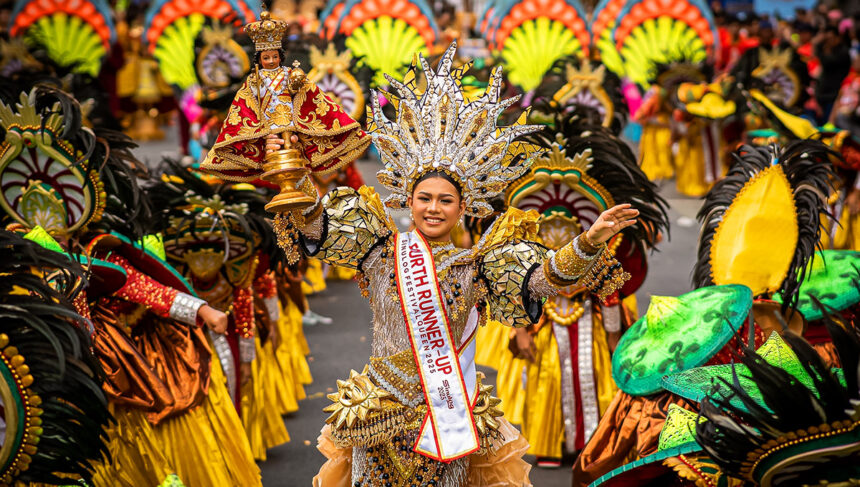
Protecting Cebu’s Cultural Festivals Through Local Policy
Cebu City’s community celebrations face new institutional support through a proposed ordinance seeking formal recognition and sustained funding for annual barangay festivals.
barangay festivals cebu
Cebu’s Hidden Celebration Calendar: Why Communities Are Fighting to Preserve Local Festivals
Walk through Cebu’s barangays in September, and you’ll encounter streets filled with music, food stalls, and neighbors celebrating shared heritage. Yet these vibrant community gatherings—from Tisa’s siomai street food festival to Pasil’s tuslob buwa celebration—have operated without formal city backing. Cebu City Councilor Jose Lorenzo R. Abellanosa is now pushing to change that by institutionalizing barangay festivals through an ordinance that would give them official status and sustained municipal support.
The move reflects a broader recognition that these celebrations do far more than bring communities together. They document Cebu’s diverse cultural tapestry, create income opportunities for small vendors and entrepreneurs, and anchor each barangay’s unique identity within the larger cityscape.
Why Barangay Festivals Matter Beyond the Celebration
At their core, barangay festivals serve as living repositories of Cebuano traditions. Each one tells a story about the community it represents—whether rooted in food heritage, religious devotion, or historical significance. Siomai Festival in Tisa, celebrated every September, honors both the neighborhood’s famous steamed dumplings and its devotion to San Lorenzo Ruiz. Meanwhile, Inayawan’s Puso Festival showcases the area’s iconic hanging rice while paying tribute to San Agustin de Hippo.
Beyond cultural preservation, these festivals generate real economic value. Micro and small enterprises—from food vendors to craft sellers—gain opportunities to reach customers and earn income during festival periods. Without institutional backing, however, organizers often struggle to secure permits, coordinate logistics, or access promotional resources that could amplify their events’ reach and impact.
Five Festivals Anchoring Cebu’s Community Identity
The proposed ordinance identifies five key barangay festivals deserving formal recognition and support. Tisa’s Siomai Festival combines culinary tradition with religious celebration, drawing crowds annually to sample the barangay’s signature steamed dumplings. Inayawan’s Puso Festival showcases the prized hanging rice that has become synonymous with the community.
Pasil’s Tuslob Buwa Festival celebrates a communal dish made from pig’s brain and liver—a preparation that represents resilience and culinary heritage rooted in resourcefulness. Guadalupe’s Banauan Festival reflects Marian devotion connected to the Archdiocesan Shrine of Our Lady of Guadalupe. San Nicolas’ Buwad Festival, held annually on April 28, commemorates the 1565 discovery of the Santo Niño image while highlighting the dried-fish trade at Taboan Market, a commercial tradition that still defines the barangay’s economic life.
How the Institutional Framework Would Support Barangay Festivals
Under Abellanosa’s proposed measure, the city government would create formal mechanisms to coordinate, fund, and promote these celebrations. The Cultural and Historical Affairs Commission and the Cebu City Tourism Office would maintain a registry and calendar of major barangay festivals, ensuring their documentation and coordination with relevant city services.
Each participating barangay would establish a Festival Committee responsible for program planning, logistics management, and compliance with applicable laws. This structured approach addresses a persistent challenge: without clear organizing bodies and guidelines, festival planning often falls on informal networks of volunteers, limiting what organizers can achieve.
The city government may provide financial, technical, and promotional assistance, with funding allocated through annual appropriations for city-sponsored activities. This would grant festivals access to resources—from promotional materials to technical support—that currently aren’t available to community organizers working independently.
What Makes This Push for Barangay Festivals Significant for Cebu’s Tourism and Identity
Institutionalizing barangay festivals aligns with broader trends in cultural tourism and community development. Visitors increasingly seek authentic local experiences rather than standardized attractions. Formally recognized festivals, supported by city coordination and promotion, become stronger offerings in Cebu’s tourism portfolio while remaining rooted in genuine community life.
From a cultural perspective, the move acknowledges that heritage preservation requires intentional support. Without institutional backing, traditions can fade as younger generations move away or as economic pressures force communities to prioritize survival over celebration. Formal recognition signals that the city values these traditions and is willing to invest in their continuity.
For residents, institutionalized festivals create more reliable community gathering moments. Predictable annual celebrations, supported by city resources, encourage families to participate and businesses to plan accordingly. This stability strengthens neighborhood cohesion at a time when many urban communities feel fragmented.
The Path Forward: What Happens Next
The proposed ordinance has been referred to the Committee on Laws, Barangay Affairs, and Tourism for review, consultation, and refinement before returning to the City Council for full body vote. This committee process typically involves input from affected barangays, tourism stakeholders, and cultural organizations.
If approved, the ordinance would establish a model that other Philippine cities might adopt. It demonstrates that cultural preservation and economic development aren’t competing priorities—they can advance together when local government provides coordinating support and resources.
For barangay leaders and community organizers, the ordinance represents potential access to funding, technical assistance, and city promotion that could significantly amplify their efforts. For Cebu residents, it promises more robust, better-coordinated community celebrations that keep neighborhood identity alive and visible.
Planning Your Festival Visit: Practical Tips
When to attend: Tisa’s Siomai Festival occurs in September. San Nicolas’ Buwad Festival is celebrated on April 28. Check with the Cebu City Tourism Office or individual barangay halls for exact dates and schedules for other festivals.
Getting there: All festivals are located within barangays of Cebu City proper. Local tricycles and jeepneys serve as the primary transportation to individual barangays. Arriving early provides the best selection of food and crafts.
What to bring: Cash is essential, as not all food vendors accept digital payment. Comfortable walking shoes help you navigate festival grounds, and bringing a reusable container allows you to purchase dried fish or other take-home items from Taboan Market vendors during San Nicolas’ festival.
Frequently Asked Questions
Will these festivals require an entrance fee once institutionalized? The proposed ordinance does not specify entrance charges. Most barangay festivals are open to the public without admission fees, though you’ll naturally spend on food, crafts, and goods sold by vendors.
How can I find the official festival calendar once the ordinance passes? The Cultural and Historical Affairs Commission and Cebu City Tourism Office will maintain the registry. Check the Cebu City official website or contact your barangay hall for updated festival information.
Can tourists attend these festivals, or are they primarily for residents? All identified festivals welcome visitors. They’re designed partly to showcase Cebu’s culture to tourists while serving as genuine community celebrations for residents.